
Nir Karki
Talk to an Expert (Nir Karki)
Last-minute Deals
Book Now
Price from
US$2750

Chulu West Peak Climbing

257 reviews
29 reviews
Duration
16 Days
Trip Grade
Technically Challenging
Country
Nepal
Maximum Altitude
6,419m
Group Size
Min 2 pax
Best Time
(Sep-Nov) and (Mar-May)

Chulu West Peak, standing tall at an elevation of 6,419m, is considered the best peak in the whole Annapurna region. It is part of the bigger Damodar Himalayan range of Manang in western Nepal, which runs south from Chako Peak in a north-south direction along the Hunlung Khola, Nar Khola, and Phu Khola. Climb this marvelous peak and make the dream of climbing a peak in one of the world’s most beautiful Annapurna regions come true. 

En route to climb the Chulu West Peak, we trek through the dry but exquisite valley of Manang. The outrageous landscape and unique settlement of this valley will be something to relish during the trek. The trail to Chulu West Peak is quite wonderful and adventurous, which keeps you excited for the ultimate aim of peak climbing.

However, climbing the peak is a bit tougher and requires good physical condition along with a high degree of stamina. Assistance from the well-experienced Sherpa guides and knowledge about the use of climbing equipment such as ice axes and crampons will help you reach the summit of Chulu West Peak.

The surreal feeling of reaching the top of the peak will forever remain with you as a lifelong memory. The view as seen from the summit is simply breathtaking, where you will be blessed with stunning views of Dhaulagiri, Nilgiri, Annapurna, and many other Himalayan peaks. Autumn and Spring are the best seasons for peak climbing. 

Marvel Adventure organises Chulu West Peak climbing with a well-designed itinerary, professional Sherpa guides, and all other necessary arrangements. Explore with us and experience a sensational climbing and trekking adventure of a lifetime in the beautiful nation of the Himalayas.
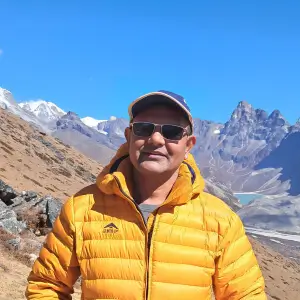
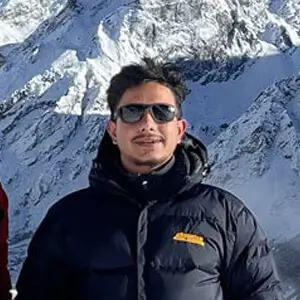
Chulu West Peak Climbing Detailed Itinerary

Day 1

Drive to Ngadi (930m)

The trip begins with a picturesque ride of 7-8 hours from Kathmandu to Ngadi. On the way, you'll be going through the Trishuli and Marsyangdi Rivers with splendid landscapes in the background. Once you reach Ngadi, rest at a comfortable teahouse and enjoy the dinner.

Max Altitude: 930m (3,051ft)
Duration: 7-8 hours
Distance: 185 km
Meals: Breakfast, Lunch and Dinner
Accommodation: Teahouse
Mode of Transportation: Bus / Jeep
Day 2

Trek to Jagat (1,340m)

On the first day of the trek, we cross through various suspension bridges, waterfalls, and forests. Once we reach the cliff in Jagat, we can have a view of the Marsyangdi River below and rocky hills all around. The beehives at the top of the cliffs are an attraction on the day’s trip. 

Max Altitude: 1,340m (4,396ft)
Duration: 5-6 hours
Distance: 12 km
Meals: Breakfast, Lunch and Dinner
Accommodation: Teahouse
Day 3

Trek to Bagarchhap (2,160m)

As we move past narrow and steep valleys, among rhododendron, pine, and bamboo forests, in the rocky folds of a mountain, we come across a bridge that takes us to a quick ascent and finally, atop a climb to reveal a widening valley. After reaching the village of Tal, we have to move across barley, wheat and potato farms for a while to reach Dharapani. From there, we turn west through the fir and pine forests to reach Bagarchhap.

Max Altitude: 2,160m (7,086ft)
Duration: 6-7 hours
Distance: 15 km
Meals: Breakfast, Lunch and Dinner
Accommodation: Teahouse
Day 4

Trek to Chame (2,650m)

Leaving Bagarchhap behind, we march on to reach Danaque village and then a steep climb to reach Timang village with stunning views of Manaslu, Lamjung, Annapurna, and other mountain vistas. As we trek through a Tibetan village that serves as a transition between the lowlands and high hills, we follow a gradual flat path to Thanchowk, Koto, and finally to Chame.

Max Altitude: 2,650m (8,694ft)
Duration: 5-6 hours
Distance: 15 km
Meals: Breakfast, Lunch and Dinner
Accommodation: Teahouse
Day 5

Trek to Pisang (3,240m)

Today, you continue on the trail that goes up and down along cliffsides. You can see the Marshyangdi River below you as you tread the path that leads you to a suspension bridge. You cross the river via this bridge and ascend through the pine forests. After a nearly 45-minute-long ascent over the ridge, you reach Dhikurpokhari.

From here, you arrive at Lower Pisang walking through lakes, snowy slopes, and grass fields. If you reach your destination around midday, you can explore the surroundings for the remaining time. Otherwise, you can have dinner at the designated lodge and have a good night’s sleep.

Max Altitude: 3,240m (10,629ft)
Duration: 5-6 hours
Distance: 14 km
Meals: Breakfast, Lunch and Dinner
Accommodation: Teahouse
Day 6

Trek to Manang (3,519m)

From Pisang, we will trek to the mystic valley of Manang. The trek climbs to Braga, a Tibetan-style village where we will explore the largest Gompa in the district. We continue the trek, enjoying the beautiful scenery all around. As we near Manang, we can experience the change in vegetation and landscape. Overnight at the lodge in Manang.

Max Altitude: 3,519m (11,545ft)
Duration: 6-7 hours
Distance: 19 km
Meals: Breakfast, Lunch and Dinner
Accommodation: Teahouse
Day 7

Acclimatization day in Manang

As we are moving to higher elevations, we need to acclimatize to avoid the risk of altitude sickness. Manang is the perfect spot for it with its beautiful natural and cultural setting. Today, we will have a view of the whole Manang valley and explore the nearby lakes and monasteries. An insight into the lives and cultures of the local people will be one of the major highlights of the day.

Max Altitude: 3,519m (11,545ft)
Meals: Breakfast, Lunch and Dinner
Accommodation: Teahouse
Day 8

Trek to Yak Kharka (4,020m)

After the rest, we feel rejuvenated to continue on our trip. As we move past the alpine grass and junipers, we reach meadows with a few horses and a number of yaks grazing around. The peaceful environment with meadows and steep slopes of Yak Kharka is the perfect place for us to spend the night.

Max Altitude: 4,020m (13,188ft)
Duration: 4-5 hours
Distance: 9.5 km
Meals: Breakfast, Lunch and Dinner
Accommodation: Teahouse
Day 9

Trek to Chulu West Peak Base Camp (4,900m)

After spending a quality night in Yak Kharka, today we will continue on our trek to the base camp of Chulu West Peak. Adapting to the conditions will be vital as we reach the base camp. At this point, we will set up our camp for an overnight stay.

Max Altitude: 4,900m (16,076ft)
Duration: 4-5 hours
Distance: 8 km
Meals: Breakfast, Lunch and Dinner
Accommodation: Camp
Day 10

Ascent to High Camp (5,100m)

We will make an uphill ascent from base camp to high camp. The route is not very technical, but we have to take care that we are climbing at higher altitudes. After a relatively tough day, we can enjoy the stunning views of the Annapurna ranges and Dhaulagiri from high camp.

Max Altitude: 5,100m (16,732ft)
Duration: 4-5 hours
Meals: Breakfast, Lunch and Dinner
Accommodation: Camp
Day 11

Summit Chulu West Peak (6,419m) and back to Base Camp

Today is the main day of the whole trip as we set ourselves on our way to summit the Chulu West Peak. Every single moment of ascent to the summit will be full of thrill and adventure. On reaching the summit, we will embrace all the hard work and enjoy the splendor of the surrounding peaks, including the Annapurna range. After spending some quality time in the summit, we descended downhill to the base camp. 

Max Altitude: 4,900m (16,076ft)
Meals: Breakfast, Lunch and Dinner
Accommodation: Camp
Day 12

Trek From Base Camp to Thorung Phedi (4,560m)

We will leave the beautiful Chulu West Peak behind as we trek downhill from the base camp. It will be a relatively easy day as we descend further down. A scenic hike of around four hours will take us to Thorung Phedi, the ultimate destination for the day. 

Max Altitude: 4,560m (14,960ft)
Duration: 5-6 hours
Distance: 12 km
Meals: Breakfast, Lunch and Dinner
Accommodation: Teahouse
Day 13

Trek to Muktinath (3,760m) via Thorung La Pass (5,416m)

Today, we will hike up high to Thorung La Pass (5416m), one of the highest passes in the world. We will cross the pass from east to west, which indeed is the safest option. Our entire hard walk will be rewarded by the beautiful views of Annapurna, Gangapurna, and the heavily glaciated peak of Khatungkang. After 1600m of descent, we will have a view of the splendid Dhaulagiri standing in the distance. After a while, the trail becomes less steep and enters grassy fields and meadows to finally reach Muktinath, the sacred temple. 

Max Altitude: 3,760m (12,335ft)
Duration: 6-7 hours
Distance: 14.5 km
Meals: Breakfast, Lunch and Dinner
Accommodation: Teahouse
Day 14

Drive to Jomsom (2,700m)

After having breakfast in the lodge, we take a scenic drive from Muktinath to Jomsom. The beautiful landscape and splendid mountain views of the Nilgiri and Dhaulagiri ranges will make the drive immensely pleasant. We will then take a well-deserved rest after reaching the tourist town of Jomsom. 

Max Altitude: 2,720m (8,923ft)
Duration: 1.5-2 hours
Distance: 20 km
Meals: Breakfast, Lunch and Dinner
Accommodation: Teahouse
Mode of Transportation: Jeep
Day 15

Fly To Pokhara (820m)

Early in the morning, we take a scenic flight from Jomsom to Pokhara. The flight will give a magnificent aerial view of mountains and hills. On reaching Pokhara, we will explore the beautiful, tranquil lakes, Davis Falls, and many other monuments. 

Max Altitude: 820m (2,690ft)
Duration: 30 minute flight
Meals: Breakfast, Lunch and Dinner
Accommodation: Hotel
Mode of Transportation: Flight
Day 16

Drive back to Kathmandu (1,400m)

After taking breakfast in the hotel, we returned to Kathmandu, bidding farewell to the City of Lakes. A picturesque drive of around 7 hours through beautiful villages and rivers takes us to Kathmandu. The evening in Kathmandu is all set for the farewell dinner at a Nepali restaurant. 

Max Altitude: 1,400m (4,593ft)
Duration: 7-8 hours
Distance: 200 km
Meals: Breakfast, Lunch and Dinner
Accommodation: Hotel
Mode of Transportation: Bus
Have Questions? We're Here to Help
Like this itinerary but want to make a few changes? Every traveler is unique, and your journey should be too. Our local travel experts will design a personalized experience tailored to your interests, preferred pace, travel dates and budget.
Route Map & Altitude Profile

Cost Details

Includes

  • Airport pick-up and drop-off by private vehicle
  • All land transportation as per the itinerary
  • Jomson - Pokhara flight
  • Standard meals (breakfast, lunch, and dinner) during the trek
  • TIMS (Trekking Information Management System) card
  • Chulu West Peak climbing permit 
  • Experienced mountain guide with local knowledge 
  • Strong and helpful porter with proper equipment (1 porter for 2 people)
  • Salary, food, accommodation, and insurance for the guide and porter
  • Tea house/lodge accommodation during the trek
  • One night tent accommodation in the base camp with hygienic meals.
  • One night standard hotel in Pokhara with breakfast
  • Comprehensive first aid kit with oximeter
  • Government taxes and official expenses
  • Duffel bag, down jacket, sleeping bag, and walking poles

Dates & Availability

Aug 2026
Sep 2026
Oct 2026
Nov 2026
Dec 2026
Jan 2027
Feb 2027
Mar 2027
Apr 2027
May 2027
Jun 2027
Jul 2027
Aug 2027
Sep 2027
Oct 2027
Nov 2027
Dec 2027
Start Date
05 Aug, 2026
End Date
20 Aug, 2026
Status
Guaranteed
Price
US$2750
Start Date
09 Aug, 2026
End Date
24 Aug, 2026
Status
Guaranteed
Price
US$2750
Start Date
19 Aug, 2026
End Date
03 Sep, 2026
Status
Guaranteed
Price
US$2750
Start Date
23 Aug, 2026
End Date
07 Sep, 2026
Status
Guaranteed
Price
US$2750

Equipment List

Upper Body Layers
  • Breathable, quick-dry base layers
  • Comfortable t-shirts
  • Lightweight insulating jacket
  • Down jacket for cold conditions
  • Waterproof and windproof jackets
Lower Body Layers
  • Thermal base layer
  • Waterproof trekking pants
  • Comfortable pants for evenings in teahouses
  • Comfortable hiking shorts for warmer sections
  • Waterproof and windproof outershell for rain or snow
Footwear & Accessories
  • Trekking boots with ankle support (preferably Waterproof)
  • Mountaineering boots
  • Multiple pairs of quick-dry socks
  • Warm socks for cold nights
  • Gaiters for snowy, muddy, or dusty trails (Expedition Gaiters)
  • Trekking poles to reduce strain on knees
Head & Sun Protection
  • Climbing helmet for the summit
  • A hat or a cap to block the sun
  • Warm beanie for cold mornings and evenings
  • UV-protected sunglasses
  • Neck gaiter or buff to prevent dust, cold, and sunburn
  • Sunscreen (30-50+ SPF) for face and exposed skin
  • Lipbalm with SPF
Personal & Medical Kits
  • Personal medications
  • Diamox (Acetazolamide) for altitude sickness
  • Ointment
  • Hand sanitizers and wet wipes
  • Quick-dry towel
Travel Documents
  • Valid Passport
  • Passport-sized photos for permits
  • Travel insurance
  • Flight tickets
  • Cash in Nepali Rupees
  • Emergency contact details
Miscellaneous
  • Daypack (30-45L) with raincover
  • Reusable water bottles
  • Headlamps for early morning hikes
  • Water purifying tablet or filter
  • Phone or Camera for capturing the adventure
  • Powerbank for an easier charging option
  • Notebook, books, or cards for free time
  • Snacks like energy bars and chocolates
  • Drybag to keep your gear safe from rain
  • Sleeping bag for sub-zero temperatures

Climbing Gears:

  • Crampons
  • Climbing harness along with carabiners
  • A belay device and an ascender for using the rope
  • Mountaineering axe with a proper leash

Essential Information

...

The Annapurna Circuit as Approach

Why the circuit approach is an advantage

  • The Annapurna Circuit from Ngadi through Chame, Pisang, and Manang builds altitude gradually over 6-8 days before the climbing phase begins. Arriving at Chulu West Base Camp already acclimatized to 3,500m+ means the jump to high camp and summit altitude is better managed than peaks approached from lower starting points.
  • The cultural richness of the Marsyangdi valley and the Manang district means the approach days are genuinely worth having in themselves, rather than purely logistical days between arrival and climbing.

Where the complexity comes in

  • The Annapurna Circuit brings other trekkers, teahouse distractions, and a social energy that shifts dramatically once you leave the circuit trail at the Chulu approach turnoff above Pisang.
  • Managing the mental transition from circuit trekking to focused climbing preparation that includes pace, sleep, nutrition, and hydration discipline is something we brief every group on, specifically at Manang, because the two mindsets genuinely differ.
The Climbing Structure

Base Camp (approximately 4,900m)

  • Reached from the circuit trail above Yak Kharka via a steep approach that gains significant elevation quickly. It is also the first indication that the climbing phase operates differently from the circuit trail below.
  • Trekkers need to understand that we will be tented throughout the climbing section. The transition from Manang's comfortable lodges to a high camp setup happens here, and the gear shift is noticeable.

High Camp (approximately 5,100m)

  • This is the first real altitude test of the climbing phase. The nights here are cold, sleep is disrupted, and appetite drops in ways that matter for summit-day energy management.
  • The temperature at this altitude on a clear night can drop well below -20°C. Therefore, a sleeping bag rated to -20°C is non-negotiable, not a suggestion.
Summit Day

Pre-dawn start

  • Departure from High Camp typically at 2:00–3:00am. It is quite earlier than most trekking peak summit starts, reflecting both the longer distance to the top and the need to descend before afternoon conditions deteriorate on the upper slopes.

The terrain above High Camp

  • Initial glacier travel requires crevasse awareness and rope team discipline as this isn't the straightforward snow slope of Yala Peak or the fixed-rope headwall of Island Peak, but a route that requires genuine navigation judgment above the second camp.
  • The upper section steepens to mixed snow and rock on the final approach to the summit ridge, which is the most technically demanding terrain on the entire climb, where crampon confidence and ice axe technique matter most.

Summit decision-making

  • Our guides make the go or no-go call based on conditions at High Camp the evening before and again at departure. They consider wind speed, snow conditions on the upper route, and each climber's physiological readings.
  • Weather windows on Chulu West close faster than on more sheltered peaks given the exposed ridge position. A summit that looked achievable at 2am can become inadvisable by 6am if conditions shift.
Technical Skills Required

What you need before arriving at base camp

  • Crampon proficiency on steep snow. You need to have at least basic experience from a previous climb, not just the training session at base camp. Chulu West's upper terrain is steeper and more committing than what a single training session can adequately prepare someone for.
  • Ice axe arrest technique. It should be genuinely practiced and not theoretically understood.
  • Rope team movement on a glacier. You need to be able to move efficiently while roped, maintain appropriate distance, and respond to guide instructions without hesitation.

What the base camp training session covers

  • A full review of crampon technique on the approach slopes, rope team protocol specific to the Chulu West route, crevasse awareness on the lower glacier sections, and the summit-day timeline walkthrough.

What no training session can replace

  • Composure above 6,000m in cold, dark, physically demanding conditions. It is something that only comes from prior altitude experience. This is consistently the factor that separates climbers who reach the summit from those who turn around on the upper slopes.
Acclimatization Structure

Circuit days as acclimatisation

  • Days 1-8 on the Annapurna Circuit build from Ngadi (930m) to Yak Kharka (4,020m) have a gradual profile that's more forgiving than many trekking peak approaches.

The Manang rest day

  • Non-negotiable regardless of total trip length. The day at Manang includes an acclimatization hike above 4,000m (Ice Lake or higher) that directly improves summit-day performance on Chulu West by a measurable margin.

Pulse oximeter monitoring

  • Our guides take readings every evening from Manang upward and not just at the high camps. Trends across multiple days tell us more than a single reading on summit eve.
Gear Requirements

Mountaineering boots

  • Double-layer mountaineering boots are required. Make sure they are not just insulated trekking boots or single-layer alpine boots. The overnight temperatures at High Camp make this non-negotiable.

Down suit

  • A down suit rated to at least -20°C for summit day. The combination of altitude, wind, and pre-dawn temperatures on Chulu West's exposed upper ridge makes a down jacket plus layers insufficient for most climbers.

Glacier travel kit

  • Crampons, ice axe, harness, locking carabiners, and a prusik cord are all required, and all need to fit properly before you leave Kathmandu.

What can be rented in Kathmandu

  • Most technical gear is available for rent in Thamel. We advise specifically on which items are worth renting versus owning at the pre-departure briefing. Mountaineering boots are the one item we consistently recommend owning rather than renting as fit matters too much at altitude to leave to rental luck.
Accommodation

Circuit teahouses

  • Standard Annapurna Circuit accommodation with twin-share rooms improving in quality through Chame and Pisang, with Manang offering the most developed lodge options on the upper circuit.

Manang: the last comfortable night

  • Most climbers describe Manang as the last genuinely comfortable accommodation stop before the climb. It offers proper beds, reasonable food variety, a bakery, and the last reliable charging point before base camp.

Base camp and high camps

  • Fully tented from base camp upward with sleeping tent, dining tent, kitchen crew, and toilet tent as standard on our Chulu West climbing packages.
Your Support Team

Climbing guide credentials

  • Chulu West requires a licensed high-altitude climbing guide with NMA certification and specific experience on this peak. The route above High Camp demands genuine mountain judgment that general trekking credentials don't provide.

Climbing Sherpa support

  • A dedicated climbing Sherpa joins from base camp, handling fixed line setup on technical sections and providing close support on summit day. The ratio of experienced mountain staff to climbers on Chulu West is higher than on entry-level peaks for exactly this reason.

Kitchen crew at base camp

  • A dedicated cook and assistant manage all base camp and high camp meals. The logistics of feeding a climbing team across multiple camps differs from teahouse service and is handled entirely by our crew.

Office contact

  • Our Kathmandu teams track every Chulu West group at four specific points: base camp arrival, High Camp night, summit day departure and Thorung La Pass. These are the four moments where altitude and remoteness combine most significantly on this specific climb.

Chulu West Peak Climbing FAQs

What is Chulu West Peak and where is it located?

Chulu West sits at 6,419m in the Manang district, right on the edge of the Annapurna Circuit. Most trekkers walk straight past it on their way to Thorong La without realising there's a 6,000m peak sitting above the valley.

How difficult is Chulu West Peak climbing?

It is harder than Island Peak but easier than a full expedition. It sits in the middle ground that experienced trekkers call "serious mountaineering." The route involves glacier travel, high-altitude camping, and a summit push on mixed snow and ice terrain above 6,000m.

Is Chulu West suitable for beginners?

Not really, and we'd rather say that now than on the mountain. Chulu West involves two high camps, glacier travel, and a summit push at 6,419m in a region with limited rescue infrastructure. If Island Peak is your first high-altitude objective, we recommend doing that first.

How fit do I need to be for Chulu West Peak?

You have to be specifically trail-fit, not gym-fit. You're doing consecutive high-altitude days in the Annapurna region before even reaching base camp, then pushing above 6,000m on summit day. We've had climbers who looked great on paper struggle above Chulu base camp because their fitness was the wrong kind.

What is the best time to climb Chulu West Peak?

Spring (April–May) and autumn (October–November) are the best seasons, which are the same windows as the Annapurna Circuit. October is our top pick for Chulu West specifically because the post-monsoon air is clear, the snow conditions on the upper mountain are good, and the weather windows for summit day are more predictable.

What technical skills do I need for Chulu West?

The key technical elements are crampon use on steep snow and ice, ascending fixed ropes, basic rappelling during descent, and moving efficiently as part of a rope team. None of these require prior experience as they're all covered in the acclimatization and training day that we include in every climbing itinerary.

What permits do I need for Chulu West Peak climbing?

The Chulu West Climbing Permit from the Nepal Mountaineering Association (NMA), the Annapurna Conservation Area Permit (ACAP), and a TIMS card. We handle all permit logistics as part of our packages.

Is altitude sickness a concern on Chulu West?

More than most trekkers realize. You're in the Manang area, which is already around 3,500m before the climb even starts, then pushing above 6,000m on summit day after nights at high camp above 5,500m.

How does Marvel Adventure manage safety on Chulu West?

Our itineraries build proper acclimatization before the climb. Our guides are licensed climbing guides with specific Chulu West Peak experience. We run a dedicated training day at base camp that assesses each climber's technical readiness. Our guides carry pulse oximeters, supplemental oxygen, and first aid kits. We maintain contact with our Kathmandu office throughout and have helicopter evacuation protocols in place before we leave the valley.

Is Chulu West a fully tented or teahouse climb?

It is mixed, and that's something climbers should be prepared for. The approach along the Annapurna Circuit uses teahouses through Manang. Above base camp, you're in tents, and summit day starts from high camp in the early hours.

Can I combine Chulu West with the Annapurna Circuit Trek?

Yes, and it's the most logical combination. The Annapurna Circuit is the approach route for Chulu West, so you're essentially doing both simultaneously. The acclimatization from the circuit, particularly the time spent at Manang (3,519m) builds your altitude baseline before the climb.

Why book Chulu West with Marvel Adventure?

Because Chulu West is a serious mountain, it needs a team that treats it like one. Our guides have climbed it across multiple seasons and understand the specific challenges above high camp in a way that only comes from standing on that ridge in bad and good conditions. If you're ready for Chulu West, we're the team to do it with.

Price Per Person
US$2750
US$2750
All inclusive price
  • 2 - 4 paxUS$2750
  • 5 - 9 paxUS$2675
  • 10 - 20 paxUS$2595
Book This Trip
Talk to Our Travel Experts

What Our Clients Say

October 31, 2024
Chulu West Climbing

We decided to to go for an adventure with Marvel Adventures. They have good price for thrilling climbing. Chulu West (6419 m) was our dream peak and guides from the Marvel tried their best to...

A
Adam K
United States

You May Also Like

island peak climbing
Duration: 16 Days
5.0(2 Reviews)

Island Peak Climbing in Spring and Autumn

US$2195US$2195
Difficulty Level: Strenuous
mera peak climbing
Duration: 15 Days
5.0(3 Reviews)

Mera Peak Climbing - Spring/Autumn Package 2026/27

US$2275US$2275
Difficulty Level: Technically Challenging
pisang peak climbing
Duration: 15 Days

Pisang Peak Climbing

US$2650US$2650
Difficulty Level: Technically Challenging
Need Help? Call Us+977 986-0313572