
Nir Karki
Talk to an Expert (Nir Karki)
Last-minute Deals
Book Now
Price from
US$2650

Pisang Peak Climbing

257 reviews
29 reviews
Duration
15 Days
Trip Grade
Technically Challenging
Country
Nepal
Maximum Altitude
6,091m
Group Size
Min 2 pax
Best Time
Autumn (Sep-Nov) and Spring (Mar-May)

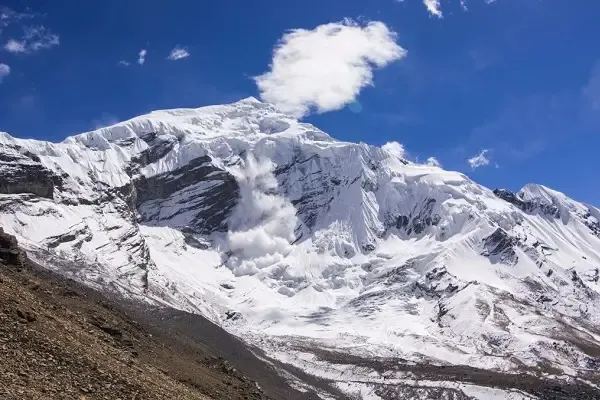
Pisang Peak, standing at an elevation of 6091m, is a cone-shaped trekking peak in the western part of Nepal. Rising above the upper Pisang village and yak pastures on a constant slope of ice and snow to the final summit pyramid, it is one of the busiest peaks in the whole Annapurna region.

Pisang Peak lies approximately between the giants Annapurna I (8091m) and Manaslu (8163m). This package encompasses trekking in the glorious Annapurna region and ultimately summiting the marvelous Pisang Peak. 

Climbing Pisang Peak is slightly easier in comparison to other peaks of the region. Any passionate peak climber with good physical condition and proper knowledge of using climbing gear can easily scale the peak. Thus, this peak is suitable for both novice climbers and experienced climbers.

The joy and pleasure of reaching the summit of the peak is simply overwhelming, and can't just be described in words. To add to it, the view of the Annapurna range, Mt. Dhaulagiri and other surrounding peaks as seen from the summit is purely superlative.

The trail to the Pisang Base Camp is equally mesmerising as the trek starts from the small hill town of Besisahar. From here, we basically follow the main trail of the Annapurna Circuit. En route to the base camp, we will be crossing rivers, walking past rocky trails and exploring the culturally loaded villages.

After the successful climbing of Pisang Peak, we will descend downhill to the mystical valley of Manang. Crossing Thorung La Pass (5416m) and exploring the sacred temple of Muktinath are the major highlights of the trek. The long yet wonderful trip ends with a scenic flight from Jomsom to Pokhara, followed by a drive back to Kathmandu.

Marvel Adventure organizes Pisang Peak Climbing for enthusiasts like you with all the necessary arrangements. A well-designed itinerary, professional Sherpa guides, and essential equipment will make sure that you have the best trekking and climbing experience in the Himalayas. 
Pisang Peak Climbing Detailed Itinerary

Day 1

Drive to Besisahar and then to Chamje (1,410m)

We will take a drive to the old town of Besisahar, leaving Kathmandu behind. Although the drive will be approximately seven to eight hours long, the beautiful scenery all around will keep you fascinated throughout the ride. After reaching Besisahar, we will rest for a while and then take a short drive to Chamje. Chamje is well-known for the significant waterfall amongst the tourists. 

Max Altitude: 1,410m (4,625ft)
Duration: 7-8 hours trek
Distance: 26 km
Meals: Breakfast, Lunch and Dinner
Accommodation: Teahouse
Day 2

Trek to Dharapani (1,960m)

We will trek to the beautiful region of Dharapani today. On the way, we cross the great Marshyangdi River and continue to trek uphill to reach Tal village. From there, we will trek for some more hours and ultimately reach Dharapani, one of the biggest villages in the Manang valley. 

Max Altitude: 1,960m (6,430ft)
Duration: 5-6 hours
Distance: 15 km
Meals: Breakfast, Lunch and Dinner
Accommodation: Teahouse
Day 3

Trek to Chame (2,650m)

Today, we pass through a few forested steep ridges en route to Chame. As we enter the high altitude, the vegetation and settlements start to seem quite different. The strong influence of the Tibetan culture is clearly evident here. The magnificent view of the Annapurna ranges and Lamjung Himal will end the day on a high note. 

Max Altitude: 2,650m (8,694ft)
Duration: 5-6 hours
Distance: 15.7 km
Meals: Breakfast, Lunch and Dinner
Accommodation: Teahouse
Day 4

Trek to Pisang village (3,240m)

Early in the morning, we will start our trek to the small yet beautiful village of Pisang. As we walk through a very dense pine forest along the bank of the Marshyangdi River, we will reach closer to our destination. Surrounded by the Himalayan peaks all around, we take a short ascend towards a big hill to reach Upper Pisang. 

Max Altitude: 3,240m (10,629ft)
Duration: 5-6 hours
Distance: 14 km
Meals: Breakfast, Lunch and Dinner
Accommodation: Teahouse
Day 5

Trek to Pisang Base Camp (4,380m)

After taking breakfast, we start our trek from Upper Pisang to the base camp of Pisang Peak. We ascend on a main trail that passes through thin forest and pastures. Adapting to the conditions will be vital as we reach the base camp. 

Max Altitude: 4,380m (14,370ft)
Duration: 4-5 hours
Distance: 8 km
Meals: Breakfast, Lunch and Dinner
Accommodation: Camp
Day 6

Trek to High Camp (5,400m)

We will ascend towards the high camp of Pisang Peak through the south-west ridge. After going uphill from base camp for around 3-4 hours, we will reach the high camp at an altitude of 5400m. After setting up our camp, the experienced Sherpa guide will give you general instructions about the use of climbing equipment such as ice axes and crampons. It will help you to boost your confidence and prepare yourself for the next day. 

Max Altitude: 5,400m (17,716ft)
Duration: 3-4 hours
Distance: 5 km
Meals: Breakfast, Lunch and Dinner
Accommodation: Camp
Day 7

Summit Pisang Peak (6,091m) and back to Base Camp (4,380m)

Today is the main day of the whole trip as we set ourselves on our way to summit the Pisang Peak. As the peak is steep, there would not be much snow. Thus, it won't be that difficult and will definitely be worth a lot of adventure and thrill. On reaching the summit, we will embrace all the hard work and enjoy the splendour of the surrounding peaks, including the Annapurna range. After spending some quality time in the summit, we descend downhill to the base camp. 

Max Altitude: 4,380m (14,370ft)
Duration: 7-8 hours
Distance: 13 km
Meals: Breakfast, Lunch and Dinner
Accommodation: Camp
Day 8

Trek to Manang (3,519m)

We will now ascend to the majestic valley of Manang. Throughout the trail, we can see different types of vegetation and landscapes. The beautiful hills and mountains seen along the route will keep us mesmerised throughout the day. As we near the Manang valley, the weather becomes cold and dry. 

Max Altitude: 3,519m (11,545ft)
Duration: 5-6 hours
Distance: 15.5 km
Meals: Breakfast, Lunch and Dinner
Accommodation: Teahouse
Day 9

Rest day in Manang

After scaling the peak and continuing the trek, we desperately need and deserve a rest day. Manang is the perfect spot for it with its beautiful natural and cultural setting. Today, we will have a view of the whole Manang valley and explore the nearby lakes and monasteries. An insight into the lives and cultures of the local people will be one of the major highlights of the day. 

Max Altitude: 3,519m (11,545ft)
Meals: Breakfast, Lunch and Dinner
Accommodation: Teahouse
Day 10

Trek to Yak Kharka (4,020m)

After the rest, we feel rejuvenated to continue on our trip. As we move past the alpine grass and junipers, we reach meadows with a few horses and a number of yaks grazing around. The peaceful environment with meadows and steep slopes of Yak Kharka is the perfect place for us to spend the night.

Max Altitude: 4,020m (13,188ft)
Duration: 4-5 hours
Distance: 9.5 km
Meals: Breakfast, Lunch and Dinner
Accommodation: Teahouse
Day 11

Trek to Thorung Phedi (4,560m)

After staying a night in Yak Kharka, we now trek towards Thorung Phedi. We climb steeply from Letdar and continue to get great views of Annapurna and Gangapurna. The area from Letdar to Thorung Phedi has a surreal beauty with the narrow valley, rivers, and meadows. 

Max Altitude: 4,560m (14,960ft)
Duration: 3-4 hours
Distance: 7.3 km
Meals: Breakfast, Lunch and Dinner
Accommodation: Teahouse
Day 12

Trek to Muktinath (3,760m) via Thorung La (5,416m)

Today, we will hike up high to Thorung La Pass (5416m), one of the highest passes in the world. We will cross the pass from east to west which indeed is the safest option. Our entire hard walk will be rewarded by the beautiful views of Annapurna, Gangapurna and a heavily glaciated peak of Khatungkang. After a 1600m of descent, we will have a view of the splendid Dhaulagiri standing in the distance. After a while, the trail becomes less steep and enters grassy fields and meadows to finally reach Muktinath, the sacred temple for both Hindus and Buddhists. Overnight at lodge in Muktinath.

Max Altitude: 3,760m (12,335ft)
Duration: 6-7 hours
Distance: 14.5 km
Meals: Breakfast, Lunch and Dinner
Accommodation: Teahouse
Day 13

Trek to Jomsom (2,700m) via Kagbeni

From Muktinath, we follow a path of the Jomsom trek where we descend through meadows, streams, and fruit trees to reach Kagbeni, where we will visit the site containing architecture of the 14th century. We will reach Kagbeni by lunchtime. We will take lunch there, visit the area, and then trek all the way down to Jomsom. Although the hike is windy, the landscape and splendid mountain views of the Nilgiri and Dhaulagiri ranges will make a wonderful walk. We will then take a well-deserved rest after reaching the touristic town of Jomsom. 

Max Altitude: 2,700m (8,858ft)
Duration: 6-7 hours
Distance: 19 km
Meals: Breakfast, Lunch and Dinner
Accommodation: Teahouse
Day 14

Fly from Jomsom to Pokhara (820m)

Early in the morning, we take a scenic flight to Pokhara. The flight will give a magnificent aerial view of mountains and hills. On reaching Pokhara, we will explore the beautiful, tranquil lakes, Davis Falls, and many other monuments. 

Max Altitude: 820m (2,690ft)
Duration: 25 minutes
Meals: Breakfast, Lunch and Dinner
Accommodation: Hotel
Mode of Transportation: Flight
Day 15

Drive back to Kathmandu

After taking breakfast in the hotel, we return to Kathmandu, bidding farewell to the City of Lakes. A picturesque drive of around 7 hours through beautiful villages and rivers takes us to Kathmandu, the capital city. The evening in Kathmandu is all set for the farewell dinner at a Nepali restaurant. 

Max Altitude: 1,400m (4,593ft)
Duration: 7-8 hours
Distance: 200 km
Meals: Breakfast and Lunch
Accommodation: Hotel
Have Questions? We're Here to Help
Like this itinerary but want to make a few changes? Every traveler is unique, and your journey should be too. Our local travel experts will design a personalized experience tailored to your interests, preferred pace, travel dates and budget.
Route Map & Altitude Profile

Cost Details

Includes

  • Airport pick up and drop off by private vehicle
  • All Domestic flights and airport tax as listed in the itinerary
  • All land transportation
  • Standard meals (breakfast, lunch, and dinner) during the trek
  • TIMS (Trekking Information Management System) card
  • Pisang Peak  climbing permit 
  • Professional mountain guide
  • Strong and helpful porter with proper equipment (1 porter for 2 people)
  • Salary, food, accommodation, and insurance for the guide and porters
  • Tea house/lodge accommodation during the trek
  • Tent accommodation in Pisang Peak base camp and high camp with hygienic meals.
  • Necessary peak climbing equipments
  • One night standard hotel in Pokhara with breakfast
  • Comprehensive first aid kit
  • Government taxes and official expenses

Dates & Availability

Aug 2026
Sep 2026
Oct 2026
Nov 2026
Dec 2026
Jan 2027
Feb 2027
Mar 2027
Apr 2027
May 2027
Jun 2027
Jul 2027
Aug 2027
Sep 2027
Oct 2027
Nov 2027
Dec 2027
Start Date
02 Aug, 2026
End Date
16 Aug, 2026
Status
Guaranteed
Price
US$2650
Start Date
12 Aug, 2026
End Date
26 Aug, 2026
Status
Guaranteed
Price
US$2650
Start Date
16 Aug, 2026
End Date
30 Aug, 2026
Status
Guaranteed
Price
US$2650
Start Date
26 Aug, 2026
End Date
09 Sep, 2026
Status
Guaranteed
Price
US$2650
Start Date
30 Aug, 2026
End Date
13 Sep, 2026
Status
Guaranteed
Price
US$2650

If there is only one person for the trip, there will be USD 500 additional cost.

Equipment List

Upper Body Layers
  • Breathable, quick-dry base layers
  • Comfortable t-shirts
  • Lightweight insulating jacket
  • Down jacket for cold conditions
  • Waterproof and windproof jackets
Lower Body Layers
  • Thermal base layer
  • Waterproof trekking pants
  • Comfortable pants for evenings in teahouses
  • Comfortable hiking shorts for warmer sections
  • Waterproof and windproof outershell for rain or snow
Footwear & Accessories
  • Trekking boots with ankle support (preferably Waterproof)
  • Mountaineering boots
  • Multiple pairs of quick-dry socks
  • Warm socks for cold nights
  • Gaiters for snowy, muddy, or dusty trails (Expedition Gaiters)
  • Trekking poles to reduce strain on knees
Head & Sun Protection
  • Climbing helmet for the summit
  • A hat or a cap to block the sun
  • Warm beanie for cold mornings and evenings
  • UV-protected sunglasses
  • Neck gaiter or buff to prevent dust, cold, and sunburn
  • Sunscreen (30-50+ SPF) for face and exposed skin
  • Lipbalm with SPF
Personal & Medical Kits
  • Personal medications
  • Diamox (Acetazolamide) for altitude sickness
  • Ointment
  • Hand sanitizers and wet wipes
  • Quick-dry towel
Travel Documents
  • Valid Passport
  • Passport-sized photos for permits
  • Travel insurance
  • Flight tickets
  • Cash in Nepali Rupees
  • Emergency contact details
Miscellaneous
  • Daypack (30-45L) with raincover
  • Reusable water bottles
  • Headlamps for early morning hikes
  • Water purifying tablet or filter
  • Phone or Camera for capturing the adventure
  • Powerbank for an easier charging option
  • Notebook, books, or cards for free time
  • Snacks like energy bars and chocolates
  • Drybag to keep your gear safe from rain
  • Sleeping bag for sub-zero temperatures

Climbing Gears:

  • Crampons
  • Climbing harness along with carabiners
  • A belay device and an ascender for using the rope
  • Mountaineering axe with a proper leash

Essential Information

...

What Kind of Climb Is Pisang Peak?

Pisang Peak (6,091m) sits on the Annapurna Circuit above the village of Pisang. It is close enough to the main trail that you can see the summit from the teahouses below, far enough above it that reaching the top is a genuine mountaineering achievement.

It's a step up from Yala Peak (5,500m) in altitude and technical demand, broadly comparable to Island Peak (6,189m) in overall character, and a natural progression for trekkers who've done a 6,000m peak and want to go again with slightly different terrain. The route involves glacier travel, crampon work on snow and ice slopes, and a summit ridge that rewards confident movement rather than hesitation. 

How You Get There?
  • The standard approach follows the Annapurna Circuit from Besisahar through Chame to Pisang village, which typically takes 4 to 5 days of trekking before the climbing phase begins.
  • The circuit approach builds altitude gradually and gives you Lower and Upper Pisang villages, the Pisang Gompa, and the opening views of the Annapurna massif that set the visual tone for the whole trip.
Base Camp and High Camp

Base Camp (approximately 4,380m)

  • Reached in a half-day from Pisang village, base camp sits in a rocky high-altitude bowl above the treeline.
  • The trek is fully tented from here, with the last lodge accommodation in Pisang village below.
  • The pre-climb training session happens at base camp: crampon fitting and technique, ice axe arrest, rope team movement, and a walkthrough of the summit day route. Typically 3 to 4 hours on the afternoon of arrival or the next day at High Camp.

High Camp (approximately 5,400m)

  • A cold, exposed overnight camp that functions as the launch point for summit day.
  • Nights at High Camp are rarely comfortable, where altitude-disrupted sleep at 5,500m is expected and not a sign that something's wrong.
  • Sleeping bag rated to -20°C is non-negotiable here regardless of season.
Summit Day

Departure time

  • Typically 3:00 to 4:00am from High Camp to reach the summit before afternoon cloud and wind build on the upper ridge.

What the route involves

  • Glacier travel from High Camp to the base of the summit slopes. Here, crevasse awareness and rope team discipline are required throughout.
  • The summit ridge involves steepening snow and some mixed terrain, which is the most technically demanding section of the climb and where crampon confidence matters most.
  • Most climbers take 4 to 6 hours from High Camp to summit and 2 to 3 hours to descend, which is basically a full day above 5,500m.

The view from 6,091m

  • Annapurna II dominates the immediate skyline, and at this altitude, it's a different scale from anything the circuit trail below offers. Gangapurna, Annapurna III, and Manaslu are all visible on a clear day, with the Annapurna Circuit trail visible far below as a thin line through the valley.
Technical Skills Required

What you need before you arrive

  • Prior crampon experience on steep snow from a previous summit attempt or glacier walk, not just the training session.
  • Basic ice axe technique. Arrest and braking, practiced rather than theoretically understood.
  • Comfort on a rope team at altitude with the ability to move efficiently while tied in without requiring constant instruction.

What the training session covers

  • Everything above, reviewed and practiced on snow near base camp. The session is also where our guide assesses readiness and calibrates summit-day pace for each climber.

What prior experience helps with most

  • Composure in cold, dark, demanding conditions above 5,500m, which is the one thing that can't be taught in a training session and that prior high-altitude experience builds directly.
Gears Required

Non-negotiables

  • Double-layer mountaineering boots, crampons compatible with your boots, ice axe, climbing harness, locking carabiners, and helmet.
  • Down suit rated to -20°C for high camp and summit day.
  • Sleeping bag rated to -20°C for high camp nights.

What can be rented in Kathmandu

  • Most technical gear is available in Thamel. Boots and crampons are the two items where fit matters, so we recommend owning them rather than renting an ill-fitting pair. What trekkers don't realize is that on the summit ridge, it could be a serious problem and not a minor inconvenience.

Pisang Peak Climbing FAQs

How difficult is Pisang Peak Climbing?

Pisang Peak is often described as a trekking peak, but it's definitely more than just a trek. The climb involves steep sections, basic mountaineering skills, and using equipment like crampons and ropes. From what we've seen at Marvel Adventure, trekkers with good fitness and a positive attitude usually do well, even if it's their first peak.

Is Pisang Peak suitable for beginners?

Yes, it can be. In fact, many climbers choose Pisang Peak as their first Himalayan peak. The key is being physically prepared and willing to learn. Our climbing guides provide training before the summit push, which helps first-time climbers feel much more confident.

How fit do I need to be for Pisang Peak Climbing?

You don't need to be a professional athlete, but you should be comfortable walking uphill for several hours a day. One thing many first-time climbers underestimate is how tiring altitude can make even simple sections feel.

What is the height of Pisang Peak?

Pisang Peak stands at 6,091 meters (19,983 feet). Reaching the summit gives you a real sense of what climbing in the Himalayas feels like without stepping into the world of highly technical expeditions.

Do I need previous climbing experience for Pisang Peak?

Not necessarily. We would say previous trekking experience is more important than technical climbing experience. Our guides regularly help first-time climbers learn the basics needed for a safe summit attempt.

What is the best time to climb Pisang Peak?

Spring (March to May) and autumn (September to November) are usually the best seasons. The weather is more stable, visibility is better, and climbing conditions are generally more favorable.

Is altitude sickness common during Pisang Peak Climbing?

Altitude is one of the biggest challenges. The summit is above 6,000 meters, so proper acclimatization is essential. At Marvel Adventure, we build the itinerary carefully because reaching the summit is never worth risking your health.

How does Marvel Adventure help climbers acclimatize?

We focus on gradual altitude gain, proper rest days, and regular health checks. Our guides pay close attention to how everyone is feeling rather than simply following the itinerary on paper.

Will I receive climbing training before the summit attempt?

Yes. Before heading toward the summit, our climbing guides usually spend time teaching basic rope work, crampon techniques, and safety procedures. For many climbers, this becomes one of the most enjoyable parts of the trip.

Is the summit day difficult?

Yes, summit day is by far the toughest day of the expedition. It starts very early, often before sunrise, and can involve several hours of climbing in cold conditions. However, the views at the top make the effort worthwhile.

What permits are required for Pisang Peak Climbing?

You'll need a Pisang Peak Climbing Permit, Annapurna Conservation Area Permit (ACAP), and a TIMS card as well. We handle all permit arrangements before the trip begins.

What are the biggest challenges during Pisang Peak Climbing?

Altitude, weather, and summit day endurance are usually the biggest challenges. Surprisingly, the technical climbing is often less intimidating than people expect once they receive proper guidance.

Why book Pisang Peak Climbing with Marvel Adventure?

To be honest, peak climbing is very different from a normal trek. Based on our experience, the little details matter, such as acclimatization decisions, weather judgment, equipment checks, and guide experience. Our climbing team focuses on keeping the trip safe, enjoyable, and realistic. If the mountain gives us a summit, that's fantastic. If conditions aren't right, we'll always prioritize getting everyone home safely with great memories of the Himalayas.

Price Per Person
US$2650
US$2650
All inclusive price
  • 2 - 4 paxUS$2650
  • 5 - 9 paxUS$2600
  • 10 - 20 paxUS$2500
Book This Trip
Talk to Our Travel Experts

You May Also Like

island peak climbing
Duration: 16 Days
5.0(2 Reviews)

Island Peak Climbing in Spring and Autumn

US$2195US$2195
Difficulty Level: Strenuous
chulu west peak climbing
Duration: 16 Days
5.0(1 Reviews)

Chulu West Peak Climbing

US$2750US$2750
Difficulty Level: Technically Challenging
yala peak climbing
Duration: 10 Days

Yala Peak Climbing

US$1275US$1275
Difficulty Level: Strenuous
Need Help? Call Us+977 986-0313572
Pisang Peak Climbing | Popular Trekking Peak in Nepal