
Nir Karki
Talk to an Expert (Nir Karki)
Last-minute Deals
Book Now
Price from
US$1275

Yala Peak Climbing

257 reviews
29 reviews
Duration
10 Days
Trip Grade
Strenuous
Country
Nepal
Maximum Altitude
5,500m
Group Size
Min 2 pax
Best Time
Autumn (Sep-Nov) and Spring (Mar-May)

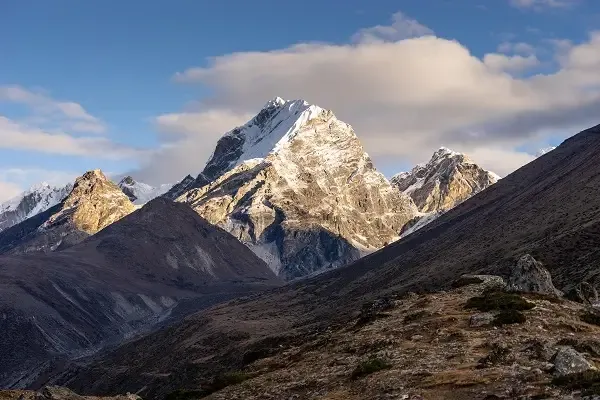
Yala Peak, located north of the Kathmandu Valley in the beautiful Langtang region, is a relatively easier trekking peak in the nation of the Himalayas. Standing at an elevation of 5520m, it is one of the most alluring peaks of the region, well-suited for novice climbers.

Yala Peak is a non-technical climb and does not require any prior climbing experience. Anyone with decent physical fitness and a bit of courage can easily scale the peak. This package offers an awesome peak climbing experience along with a remarkable trek in the Langtang region.

The trip to Yela Peak begins with a scenic drive from Kathmandu to Syabrubesi. The trail then passes through marvelous alpine meadows, majestic waterfalls, and blooming rhododendron forests. As we approach the Lantang valley, we can witness various flora and fauna, including Danphe, Himalayan black bear, red panda, and musk deer in the Langtang National Park.

Exploring Langtang glacier and Langshisha Kharka, the beautiful yak pasture, will make the trek more sensational. In Kyanjin Gompa, we can visit the ancient monastery and a famous cheese-making factory. An acquaintance with the cultures, traditions and ethnic generosity of the local Tamang people, which is quite similar to the Tibetan culture, will simply leave you amazed.

The joy of reaching the summit of Yala Peak will be purely overwhelming, which will remain with you as a lifelong memory. On reaching the summit, you can enjoy the panoramic view of peaks such as Dorje Lakpa, Ganchenpo, Naya Kang, Tserko Ri, Langtang Lirung, and most importantly, Shishapangma (8013m), the highest mountain in Tibet. 

Marvel Adventure organizes Yala Peak Climbing for enthusiasts like you with all the necessary arrangements. A well-designed itinerary, professional Sherpa guides, and essential equipment will make sure that you have the best trekking and climbing experience in the nation of the Himalayas. 
Yala Peak Climbing Detailed Itinerary

Day 1

Drive to Syabrubesi (1,460m)

We drive on a northern highway that climbs over mountain ridges to the Trishuli valley. The journey will take 7-8 hours through picturesque landscapes, mountain scenery and local villages. On the way we have magnificent views of Ganesh Himal, Manaslu and many more. .

Max Altitude: 1,460m (4,790ft)
Duration: 7-8 hours drive
Distance: 122 km
Meals: Breakfast, Lunch and Dinner
Accommodation: Teahouse
Mode of Transportation: Public Bus
Day 2

Trek to Lama Hotel (2,480m)

We start to walk, and the trail ascends for around two hours through the forest, followed by a climb of about an hour to reach Bamboo village (1850m), where we stop for lunch. This forested path with well-stabilized trails follows the upstream and can be seen birds' life around the bushes. From here, we again climb through the bamboo forest to reach the Lama Hotel. 

Max Altitude: 2,480m (8,136ft)
Duration: 5-6 hours
Distance: 10.8 km
Meals: Breakfast, Lunch and Dinner
Accommodation: Teahouse
Day 3

Trek to Langtang village (3,500m)

Today we have a beautiful walk and follow the trail through rhododendron and pine forest for around 3 hours to reach Ghora Tabela where we stop for lunch. The surrounding area is dense wild habitat and many small babblers with lots of herbal. After lunch we walk another 3 hours on the scenic trail takes us to Langtang village where we stop for the overnight stay.

Max Altitude: 3,500m (11,482ft)
Duration: 5-6 hours
Distance: 11.5 km
Meals: Breakfast, Lunch and Dinner
Accommodation: Teahouse
Day 4

Trek to Kyanjin Gompa (3,900m)

We start our trek leisurely for around 3 to 4 hours to visit Kyanjing Gompa, an ancient Buddhist monastery. From here, we can have stunning views of Mt.Ganchempo and Langtang Lirung. In the evening, we are going to visit the surrounding areas like the Yak cheese factory, the Monastery, and local houses. 

Max Altitude: 3,900m (12,795ft)
Duration: 3-4 hours
Distance: 6.5 km
Meals: Breakfast, Lunch and Dinner
Accommodation: Teahouse
Day 5

Acclimatization day in Kyanjin Gompa

Before going up to the higher altitudes, we need to get acclimatized to the weather. We will take a day hike to Tsergo Ri where we can enjoy the splendid mountain views as well as relish in the peaceful environment. Furthermore, we will also reach the Langtang glacier and Langshisha Kharka, the beautiful yak pasture. We will follow the same trail back to Kyanjin Gompa where we will stay overnight.

Max Altitude: 3,900m (12,795ft)
Meals: Breakfast, Lunch and Dinner
Accommodation: Teahouse
Day 6

Trek to Yala Peak Base Camp (4,800m)

We will leave Kyanjin Gompa today and continue on our way to the Yala Peak Base Camp. Trekking through the rocky glacier trail for around 7 hours, we reach to the base camp. On reaching there, we'll do some climbing basics in advance of tomorrow's summit. 

Max Altitude: 4,800m (15,748ft)
Duration: 5-6 hours
Distance: 7 km
Meals: Breakfast, Lunch and Dinner
Accommodation: Camp
Day 7

Summit Yala Peak (5,500m) and Back to Kyanjin Gompa

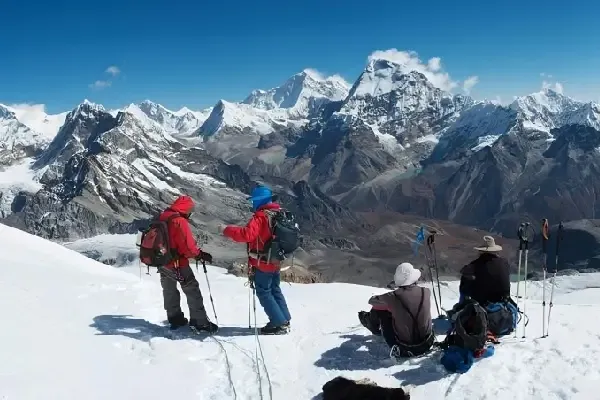
Today is the main day of the whole trip as we set ourselves on our way to summit the Yala Peak. On reaching the summit, we will embrace all the hard work and enjoy the panoramic views of Shishapangma, Dorje Lakpa, Ganchenpo, Naya Kang, Tserko Ri, Langtang Lirung, and many other nearby mountains. After spending some quality time in the summit, we descend downhill to the base camp and trek back to Kyanjin Gompa. 

Max Altitude: 3,900m (12,795ft)
Duration: 8-9 hours
Distance: 16 km
Meals: Breakfast, Lunch and Dinner
Accommodation: Teahouse
Day 8

Trek down to Rimche (2,450m)

On this day we will retrace our path back to Rimche with the beautiful scenery all through the way. It will be comparitively easier day as walking down requires less physical caliber.

Max Altitude: 2,450m (8,038ft)
Duration: 6-7 hours
Distance: 13 km
Meals: Breakfast, Lunch and Dinner
Accommodation: Teahouse
Day 9

Trek back to Syabrubesi (1,460m)

After breakfast, we trek down through the bamboo and rhododendron forests to reach Syabrubesi. It will be approximately 5 hours walk. Overnight stay at lodge in Syabrubesi and enjoy the last day of the trek.

Max Altitude: 1,460m (4,790ft)
Duration: 5-6 hours
Distance: 11 km
Meals: Breakfast, Lunch and Dinner
Accommodation: Teahouse
Day 10

Drive back to Kathmandu (1,400m)

We start our journey back to Kathmandu with the long-lasting memory of the trek. A scenic drive will ensure that you will remain fresh throughout the journey. On reaching Kathmandu, you will be transferred to the hotel where you can take some much deserved rest.

Max Altitude: 1,400m (4,593ft)
Duration: 7-8 hours
Distance: 122 km
Meals: Breakfast and Lunch
Accommodation: Hotel
Have Questions? We're Here to Help
Like this itinerary but want to make a few changes? Every traveler is unique, and your journey should be too. Our local travel experts will design a personalized experience tailored to your interests, preferred pace, travel dates and budget.
Route Map & Altitude Profile

Cost Details

Includes

  • Airport pick up and drop off by private vehicle
  • All land transportation
  • Standard meals (breakfast, lunch, and dinner) during the trek
  • TIMS (Trekking Information Management System) card
  • Yala Peak climbing permit 
  • Professional mountain guide
  • Strong and helpful porter with proper equipment (1 porter for 2 people)
  • Salary, food, accommodation, and insurance for the guide and porters
  • Tea house/lodge accommodation during the trek
  • Tent accommodation in Yala Peak base camp with hygienic meals.
  • Necessary peak climbing equipments
  • Comprehensive first aid kit
  • Government taxes and official expenses

Dates & Availability

Aug 2026
Sep 2026
Oct 2026
Nov 2026
Dec 2026
Jan 2027
Feb 2027
Mar 2027
Apr 2027
May 2027
Jun 2027
Jul 2027
Aug 2027
Sep 2027
Oct 2027
Nov 2027
Dec 2027
Start Date
04 Aug, 2026
End Date
13 Aug, 2026
Status
Guaranteed
Price
US$1275
Start Date
14 Aug, 2026
End Date
23 Aug, 2026
Status
Guaranteed
Price
US$1275
Start Date
18 Aug, 2026
End Date
27 Aug, 2026
Status
Guaranteed
Price
US$1275
Start Date
28 Aug, 2026
End Date
06 Sep, 2026
Status
Guaranteed
Price
US$1275

Equipment List

Upper Body Layers
  • Breathable, quick-dry base layers
  • Comfortable t-shirts
  • Lightweight insulating jacket
  • Down jacket for cold conditions
  • Waterproof and windproof jackets
Lower Body Layers
  • Thermal base layer
  • Waterproof trekking pants
  • Comfortable pants for evenings in teahouses
  • Comfortable hiking shorts for warmer sections
  • Waterproof and windproof outershell for rain or snow
Footwear & Accessories
  • Trekking boots with ankle support (preferably Waterproof)
  • Mountaineering boots
  • Multiple pairs of quick-dry socks
  • Warm socks for cold nights
  • Gaiters for snowy, muddy, or dusty trails (Expedition Gaiters)
  • Trekking poles to reduce strain on knees
Head & Sun Protection
  • Climbing helmet for the summit
  • A hat or a cap to block the sun
  • Warm beanie for cold mornings and evenings
  • UV-protected sunglasses
  • Neck gaiter or buff to prevent dust, cold, and sunburn
  • Sunscreen (30-50+ SPF) for face and exposed skin
  • Lipbalm with SPF
Personal & Medical Kits
  • Personal medications
  • Diamox (Acetazolamide) for altitude sickness
  • Ointment
  • Hand sanitizers and wet wipes
  • Quick-dry towel
Travel Documents
  • Valid Passport
  • Passport-sized photos for permits
  • Travel insurance
  • Flight tickets
  • Cash in Nepali Rupees
  • Emergency contact details
Miscellaneous
  • Daypack (30-45L) with raincover
  • Reusable water bottles
  • Headlamps for early morning hikes
  • Water purifying tablet or filter
  • Phone or Camera for capturing the adventure
  • Powerbank for an easier charging option
  • Notebook, books, or cards for free time
  • Snacks like energy bars and chocolates
  • Drybag to keep your gear safe from rain

Climbing Gears:

  • Crampons
  • Climbing harness along with carabiners
  • Belay device and Ascender for using the rope
  • Mountaineering axe with a proper leash

Essential Information

...

Yala Peak as a First Summit

Yala Peak (5,500m) occupies a specific and valuable position in Nepal's permitted peak list as it is genuinely one of the most accessible technical summits in the country.

What makes Yala genuinely accessible

  • The technical demands are lower than Island Peak or Mera Peak. The standard route involves crampons, basic rope work, and glacier travel but no fixed-rope headwall and no sustained technical climbing above the snow slopes.
  • The approach through the Langtang Valley is well-established, culturally rich, and builds altitude gradually, due to which most trekkers arrive at base camp reasonably well-acclimatized without a dedicated additional acclimatization circuit.

What accessible doesn't mean

  • You're still standing at 5,500m on summit day, which is high enough that the altitude affects everyone, regardless of fitness or prior trekking experience.
  • The final slope to the summit is not technically complex but is steep enough that crampon technique and confidence on snow matter genuinely.

Who this peak genuinely suits

  • Fit trekkers who've completed at least one high-altitude trek above 4,500m and want a first mountaineering objective without a full expedition skillset.
  • Anyone specifically wanting to experience what climbing above 5,000m feels like before committing to more demanding peaks like Island Peak or Mera.
The Langtang Approach

Why this approach matters specifically for Yala

  • Unlike the approach to Everest region peaks, where the approach trail is heavily trafficked, the Langtang Valley approach to Yala Peak is quieter and more culturally immersive. It offers genuine acclimatization time without the logistical intensity of the Khumbu.
  • The valley still carries the weight of the 2015 earthquake that devastated Langtang village, and visiting and spending money here directly supports a community that rebuilt almost from scratch.

Key stops on the approach

  • Syabrubesi (1,460m) is the road-accessible starting point, reached by a 7-8 hour drive from Kathmandu. It is a long but scenic journey through the Rasuwa district that we arrange as a private jeep transfer.
  • Langtang village (3,500m) and Kyanjin Gompa (3,900m) are the cultural anchors of the valley. The gompa in particular, with its backdrop of Langtang Lirung and surrounding peaks, gives this approach an atmosphere that sets Yala apart from peaks approached through less distinct valleys.

The optional Tsergo Ri acclimatisation hike

  • Our standard itinerary includes a hike toward Tsergo Ri (5,033m) from Kyanjin Gompa before the base camp move. This is a genuine climb-high-sleep-low acclimatization day that meaningfully improves summit-day performance.
Base Camp and Summit Day

Yala Peak Base Camp (4,800m)

  • Reached from Kyanjin Gompa in a half-day walk, it is a significant altitude jump that makes the acclimatization days at Kyanjin non-negotiable rather than optional.
  • Base camp is tented throughout as no teahouse exists at this elevation, and the transition from Langtang Valley's comfortable lodges to a high camp tent is one of the more noticeable gear-comfort shifts on any short Nepal climbing itinerary.

Summit day

  • A pre-dawn start that typically starts at 3:00 to 4:00 am, on a route that gains roughly 500-700m from high camp or base camp to the summit at 5,500m.
  • The upper slopes involve crampon work on snow and basic rope team movement. Yala Peak has nothing that requires prior technical experience, but everything that requires the pre-climb training session needs to be taken seriously.
Technical Skills

What the climb actually requires

  • Crampon use on snow and ice slopes up to around 35-40 degrees. It is definitely steeper than a walking angle but well within the range of a first-time crampon user who's been properly briefed.
  • Basic rope team movement and the ability to self-arrest with an ice axe. These are both covered in the training session at base camp before the summit attempt.
  • No jumar or fixed-rope work as on Island Peak. This is a cleaner, more straightforward snow climb than the technical headwall peaks.

Pre-climb training session

  • Held at base camp on the day of arrival or the following morning. Our training involves crampon fitting, ice axe technique, rope team movement, and self-arrest practice on a nearby snow slope.
  • Our guides assess readiness during this session and adjust summit-day plans accordingly. Not every trekker moves identically on snow, and the training session is where we calibrate.

What prior experience genuinely helps with

  • Any prior experience walking on snow or ice, such as skiing or glacier walks, transfers meaningfully to Yala's summit slopes.
  • High-altitude trekking experience above 4,500m matters more than technical climbing background for most first-time summit attempts here.
Best Time for Climbing

Spring (April–May)

  • Generally the most reliable window for Yala, specifically with stable weather, good snow conditions on the summit slopes, and the valley with clear post-winter skies.
  • May can see afternoon cloud building earlier than April, so earlier summit starts matter more in late spring.

Autumn (October–November)

  • Equally good for summit conditions, with October offering the clearest post-monsoon visibility of the year.
  • The Langtang Valley in autumn has a particular clarity that makes the approach and the summit panorama noticeably sharper than in spring haze.

Winter considerations

  • Possible but demanding, as the temperatures at Base Camp in December and January drop significantly below what spring or autumn trekkers experience, and the summit slopes can be icy rather than consolidated snow.

Monsoon

  • Not recommended as the cloud regularly obscures the summit, trail conditions deteriorate, and the summit attempt success rate drops significantly during June to August.
Permits Required

Two main permits

  • Langtang National Park Entry Permit: NPR 3,000 for foreign nationals. It is the standard conservation permit for trekking in this region.
  • Yala Peak Climbing Permit: issued by the Nepal Mountaineering Association (NMA). The cost varies by season, as spring permits are typically priced higher than autumn.

TIMS card

  • Required alongside the national park permit, which is standard across all Nepal trekking regions.

Permit processing

  • We handle all permit logistics as part of our packages, including the NMA climbing permit, which requires specific documentation beyond the standard trekking permits. Confirm current rates at booking as government fees are updated periodically.
Accommodation

Syabrubesi to Kyanjin Gompa

  • Comfortable by Himalayan standards with established teahouse infrastructure through Lama Hotel and Langtang village. Kyanjin Gompa provides good rooms, reasonable food, and the kind of hospitality the valley is genuinely known for.

Kyanjin Gompa

  • The best-equipped stop on the approach at 3,900m with solid lodges, attached bathrooms in some properties, and a dining room culture that makes rest days genuinely pleasant rather than just logistically necessary.

Base camp

  • Tented from base camp upward. You will have a full camping setup with a sleeping tent, dining tent, and kitchen crew, identical in structure to other Nepal tented climbing base camps.
Your Support Team

Climbing guide versus trekking guide

  • Yala Peak requires a licensed climbing guide with NMA certification, not just a standard trekking guide. The distinction matters on a snow and glacier objective at this altitude.
  • Our guides for Yala have specific Langtang region and peak experience, including knowledge of current snow conditions on the summit slopes that general high-altitude guiding credentials don't automatically provide.

Kitchen crew at base camp

  • The transition from teahouse service to a dedicated base camp kitchen crew is where the logistics of a climbing itinerary differ most visibly from a trekking one. You will have fresh meals prepared specifically around summit day timing rather than a standard teahouse schedule.

Safety protocols specific to Yala

  • Pulse oximeter monitoring from Kyanjin Gompa upward, pre-climb training assessment, summit-day go or no-go decision based on weather and individual readings rather than schedule. These protocols are identical in structure to how we manage Island Peak and Mera Peak, scaled to Yala's specific altitude and terrain profile.

Yala Peak Climbing FAQs

What is Yala Peak Climbing?

Yala Peak Climbing is one of Nepal's most beginner-friendly Himalayan peak adventures. Located in the Langtang region, it combines a scenic trek through Langtang Valley with a non-technical summit climb, making it a popular choice for first-time climbers.

How difficult is Yala Peak Climbing?

Yala Peak is considered one of the easier trekking peaks in Nepal. The biggest challenge is usually the altitude rather than technical climbing. From our experience at Marvel Adventure, most trekkers with good fitness adapt well to the climb.

Is Yala Peak suitable for beginners?

Yes, absolutely. Many climbers choose Yala Peak as their first Himalayan summit. If you're reasonably fit and can handle several days of trekking, Yala Peak is often a great introduction to peak climbing.

What is the height of Yala Peak?

Yala Peak stands at approximately 5,500 meters above sea level. It offers a genuine high-altitude climbing experience without the technical challenges found on more demanding peaks.

Do I need previous climbing experience for Yala Peak?

No. Previous climbing experience is not required. Our guides regularly help first-time climbers reach the summit by providing instruction and support throughout the trip.

What is the best time to climb Yala Peak?

Spring (March–May) and autumn (September–November) are generally the best seasons. Clear skies and stable weather usually provide the best climbing conditions and mountain views.

Is altitude sickness common during Yala Peak Climbing?

Altitude sickness is always a possibility above 3,500 meters. Although Yala Peak is considered easier than many Himalayan peaks, proper acclimatization remains very important throughout the journey.

How does Marvel Adventure help climbers acclimatize?

We follow a gradual ascent schedule and monitor trekkers throughout the trip. Based on our experience, a steady pace and good hydration are often more important than people realize.

What climbing equipment is required for Yala Peak?

Depending on conditions, you may need crampons, a harness, helmet, and appropriate mountaineering boots. Our team provides guidance on exactly what equipment is needed before the trip.

Will I receive climbing training before the summit attempt?

Yes. Before summit day, our climbing guides provide a basic introduction to equipment use and mountain safety so climbers feel comfortable and prepared.

How difficult is the summit day on Yala Peak?

Summit day is physically demanding because of the altitude, but technically it is usually straightforward. Most climbers are pleasantly surprised by how achievable the summit feels with proper preparation.

Is Yala Peak easier than Island Peak and Lobuche East?

Yes. We have noticed most climbers consider Yala Peak significantly easier because it involves less technical climbing and lower overall difficulty. That's one reason it's so popular among first-time climbers.

Why book Yala Peak Climbing with Marvel Adventure?

From our experience, Yala Peak is at its best when climbers can focus on enjoying the journey rather than worrying about logistics. Our guides help with acclimatization, equipment checks, and summit preparation while keeping the trip relaxed and enjoyable. For many of our guests, Yala Peak becomes their first Himalayan summit, and often the start of bigger mountain adventures.

Price Per Person
US$1275
US$1275
All inclusive price
  • 2 - 4 paxUS$1275
  • 5 - 9 paxUS$1225
  • 10 - 20 paxUS$1175
Book This Trip
Talk to Our Travel Experts

You May Also Like

island peak climbing
Duration: 16 Days
5.0(2 Reviews)

Island Peak Climbing in Spring and Autumn

US$2195US$2195
Difficulty Level: Strenuous
mera peak climbing
Duration: 15 Days
5.0(3 Reviews)

Mera Peak Climbing - Spring/Autumn Package 2026/27

US$2275US$2275
Difficulty Level: Technically Challenging
lobuche east peak climbing
Duration: 15 Days

Lobuche East Peak Climbing

US$2450US$2450
Difficulty Level: Technically Challenging
Need Help? Call Us+977 986-0313572
Yala Peak Climbing | Beginner-Friendly Peak in Langtang