
Nir Karki
Talk to an Expert (Nir Karki)
Last-minute Deals
Book Now
Price from
US$425

Ama Yangri Trek

257 reviews
29 reviews
Duration
3 Days
Trip Grade
Moderate
Country
Nepal
Maximum Altitude
3,771m
Group Size
Min 2 pax
Best Time
(Sep-Nov) and (Mar-May)

Imagine standing at an altitude of 3,771 meters surrounded by the towering Himalayan giants and the crisp mountain air filling your lungs as the first ray of sun paints the pristine snow-clad peaks in hues of gold. That is a memorable story of the Ama Yangri Trek, a short yet deeply fulfilling journey to the core of the Helambu region.

At a short distance from Kathmandu, this trek offers an unparalleled Himalayan experience without the long days of walking or strenuous altitude gain that can be generally found in other high-altitude treks. Despite being a relatively new and lesser-known trek, Ama Yangri holds immense significance for the locals. Among the natives, this peak is believed to be the guardian deity of the Helambu region, who protects the land and people from misfortune.

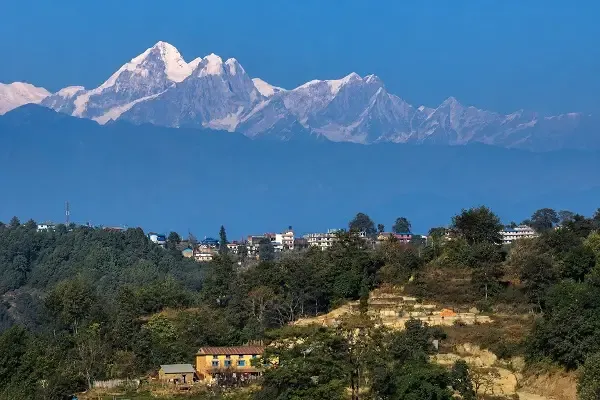
Along the exciting trails of this short trekking adventure, trekkers will pass through the dense rhododendron forests, traditional Sherpa villages, and sacred monasteries. Thus, it is a perfect opportunity to immerse oneself in both the natural and spiritual essence of the eastern Himalayas. The panoramic views from the summit of the peak stretch across the Langtang range, Dorje Lakpa, and Ganesh Himal on a clear day.

For the trekking enthusiasts who are seeking a short trek packed with adventure, culture, and Himalayan views, Ama Yangri is the perfect choice. Trekkers who are exploring the Himalayan route for the first time or experienced trekkers looking for a quick getaway, everyone will be able to relish this unforgettable journey into Nepal’s pristine mountain landscape. 

Trip Highlights

  • A short yet rewarding trek close to the Kathmandu Valley
  • Jaw-dropping panoramic Himalayan views of  Langtang Range, Ganesh Himal, and Gaurishankar
  • Spiritual and cultural experience, as  you will get to traverse across Tibetan Buddhism-influenced Sherpa and Tamang Communities
  • An authentic Himalayan trekking experience and staying at cozy teahouses, interacting with local culture and customs
  • A beginner-friendly trekking exploration that is ideal for all age groups with basic fitness
  • Wild spotting along the trail as this journey stretches across the Langtang National Park of the Helambu region (this national park is famous for exotic species of flora and fauna like musk deer, red panda, Himalayan tahr, snow leopard, wood snipe, satyr tragopan, wren babbler, etc)
  • A less crowded alternative to the mainstream treks like Everest and the Annapurna region, rewards trekkers with a more serene experience
Ama Yangri Trek Detailed Itinerary

Day 1

Drive to Tarkeghyang (2,600m) from Kathmandu

On the first day of the Ama Yangri Trek, you will drive early in the morning from Kathmandu. Enjoying the scenic views of the countryside, the drive through will take you across lush green hills, terraced farms, and picturesque villages. The drive will first pass through the beautiful villages of the Sindhupalchowk district and then switch to the vibrant marketplace of Melamchi Bazaar, which is on the bank of the Melamchi River. You will also pass through the Timbu Village, which is also known as the waypoint for Tarkeghyang.

During the final part, the road ascends toward the beautiful Sherpa village of Tarkeghyang. These beautiful villages are known for their ancient Buddhist culture, monasteries, traditional houses, and warm hospitality. After reaching the village, you can explore it and visit the Tarkeghyang Monastery to relish the mountain atmosphere with the locals. 

Max Altitude: 2,600m (8,530ft)
Duration: 4-5 hours drive
Distance: 65 km
Meals: Breakfast, Lunch and Dinner
Accommodation: Teahouse
Mode of Transportation: Bus / Jeep
Day 2

Trek to Ama Yangri Peak (3,771m), Back to Tarkeghyang

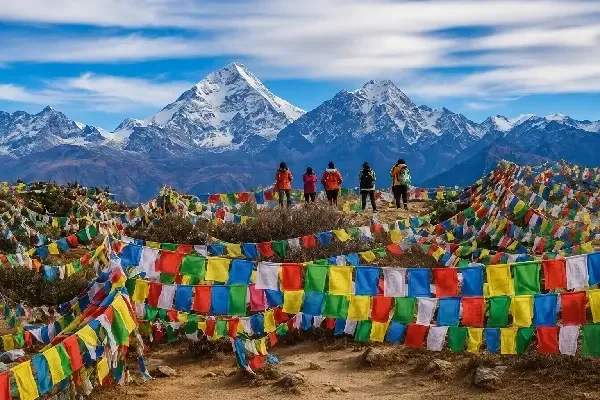
Today, your trek will start early in the morning, around 6:00 am. You will follow a steady climb from Tarkeghyang Village and trek across the dense rhododendron and pine forests. You will also encounter the prayer flags, chortens, and stone mani walls along the trekking trail, which signify the strong Buddhist influence in the region. Although conquering the steep mountain slopes can be physically demanding, the reward after reaching the summit of Ama Yangri Peak will certainly be worth it.

There is also a gumba known as Ama Yangri Zangdo Palri Gumba at the top of this peak. This monastery holds great spiritual significance among the natives of the Hyolmo community. The local community believes that the deity Ama Yangi protects the entire valley and resides here. It is also believed that this sacred site fulfills the wishes of travelers as they push toward the top after overcoming the demanding, steep trail.

From the summit of this iconic trekking peak, you will be able to catch the 360-degree views of Langtang Himalayas, Ganesh Himal, and Gaurishankar. Witnessing the sunrise view over these stunning peaks will be an unforgettable experience. After completing the morning hike and relishing the pristine Himalayan atmosphere, you will then descend back to Tarkeghyang on the same route. 

Max Altitude: 2,600m (8,530ft)
Duration: 8-9 hours
Distance: 22 km
Meals: Breakfast, Lunch and Dinner
Accommodation: Teahouse
Day 3

Drive Back to Kathmandu (1,400m)

As you have completed this short and exciting trek in the eastern Himalayas, it is time to wrap up your journey. You can do early-morning stargazing or witness the sunrise views from the nearest hiking points. Then, breakfast will follow the drive on the same scenic route. Descending from Tarkeghyang, you will drive alongside the traditional villages and join the Melamchi River trail. You will take short, refreshing breaks along the way and arrive at Kathmandu by evening. After your arrival, our staff will escort you back to your hotel. If time allows, you can also do some short strolls around the vibrant city, soaking in its captivating nightlife. 

Max Altitude: 1,400m (4,593ft)
Duration: 4-5 hours
Distance: 65 km
Meals: Breakfast and Lunch
Accommodation: Hotel
Mode of Transportation: Bus / Jeep
Have Questions? We're Here to Help
Like this itinerary but want to make a few changes? Every traveler is unique, and your journey should be too. Our local travel experts will design a personalized experience tailored to your interests, preferred pace, travel dates and budget.
Route Map & Altitude Profile

Cost Details

Includes

  • Private Transportation: Pickup and drop-off from Kathmandu
  • Accommodation: Basic teahouse or lodge accommodation during the trek.
  • Meals: Breakfast, lunch, and dinner during the trek.
  • Guide & Porter: Experienced English-speaking trekking guide and porter (1 porter for 2 trekkers).
  • Permits & Fees: TIMS card and necessary local permits for the trek.
  • First Aid Kit: Basic medical kit carried by the guide.
  • Government Taxes: All applicable local and government taxes.

Private Trip

Meet Our Expert Guides

Phinjo Sherpa
Trekking Guide
Dibash Mainali
Trekking Guide
Dinesh Rai
Trekking Guide
Kumar Karki
Trekking Guide

Equipment List

Upper Body Layers
  • Breathable, quick-dry base layers
  • Comfortable t-shirts
  • Lightweight insulating jacket
  • Down jacket for cold conditions
  • Waterproof and windproof jackets
Lower Body Layers
  • Thermal base layer
  • Waterproof trekking pants
  • Comfortable pants for evenings in teahouses
  • Comfortable hiking shorts for warmer sections
  • Waterproof and windproof outershell for rain or snow
Footwear & Accessories
  • Trekking boots with ankle support (preferably Waterproof)
  • Multiple pairs of quick-dry socks
  • Warm socks for cold nights
  • Gaiters for snowy, muddy, or dusty trails
  • Trekking poles to reduce strain on knees
Head & Sun Protection
  • A hat or a cap to block the sun
  • Warm beanie for cold mornings and evenings
  • UV-protected sunglasses
  • Neck gaiter or buff to prevent dust, cold, and sunburn
  • Sunscreen (30-50+ SPF) for face and exposed skin
  • Lipbalm with SPF
Personal & Medical Kits
  • Personal medications
  • Diamox (Acetazolamide) for altitude sickness
  • Ointment
  • Hand sanitizers and wet wipes
  • Quick-dry towel
Travel Documents
  • Valid Passport
  • Passport-sized photos for permits
  • Travel insurance
  • Flight tickets
  • Cash in Nepali Rupees
  • Emergency contact details
Miscellaneous
  • Daypack (30-45L) with raincover
  • Reusable water bottles
  • Headlamps for early morning hikes
  • Water purifying tablet or filter
  • Phone or Camera for capturing the adventure
  • Powerbank for an easier charging option
  • Notebook, books, or cards for free time
  • Snacks like energy bars and chocolates
  • Drybag to keep your gear safe from rain

Essential Information

..

Best Time to Visit

The best seasons for the Ama Yangi Trek are spring (March to May) and autumn (September to November). These trekking points offer the most favorable weather conditions for high-altitude treks in Nepal.

Similarly, as the days are clear, the mountain views are simply exceptional and the trekkers can also enjoy an enhanced experience. Let’s break down the trekking seasons in more detail:

Spring (March to May)

Spring is one of the most beautiful times to trek in the Ama Yangri region. The weather in this season is relatively stable and temperatures are pleasant in the daytime and moderate at night. Spring is also miles ahead of other seasons when it comes to scenic beauty. Rhododendron flowers, the Nepal national flower, take over the landscape with its vibrant shades of red, pink and white. The forest along the trail is also full of lush greenery, which creates an immersive natural experience. The temperature of the Ama Yangri region is around 10°C to 20°C during the day and it can be chilly at night with a drop up to 5°C to -5°C.

Autumn (September to November)

Autumn is another excellent period for trekking. After the monsoon ends, the air is crisp and the trails are dry. The skies at this period remain crystal clear, allowing you to see the entire Himalayan range without obstructions. Since the monsoon washes away the dust and pollution, the air is fresh and the atmosphere is rejuvenated. The trail remains dry in this season, which reduces the risk of slipping due to muddy or wet paths. Moreover, the big celebrations of Nepal, such as Dashain and Tihar, occur during this season. You will be able to witness the cultural celebration of such festivals at the local villages. The temperature of the region is around 12°C to 18°C at the lower elevation in the autumn season and can drop to 0°C to -5°C during the night.

Other Seasons and Their Challenges

Trekking in the off-seasons like winter (December to February) and monsoon (June to August) is also possible in Nepal. But they also bring different challenges that trekkers need to overcome. Although Ama Yangri Trek in winter is possible, this season has freezing temperatures, occasional snowfall and icy trails. That’s why the winter trek is only recommended for those who can handle the cold and are well-prepared with proper gear. The perks of winter treks are that there are fewer trekkers, which offers more solitude, clear mountain views and unique snow-covered landscapes. Although day temperatures are bearable with a 0°C to 5°C range, the nighttime temperatures can drop upto -15°C.

The monsoon in Nepal is hot, humid and rainy, especially at the lower Himalayan foothills. The trail can become wet and muddy and the leeches are common in the forested areas during this season. Daily rainfall is common, especially in the afternoons and evenings. Clouds also cover the skies frequently and the drive from Kathmandu to Tarkeghyang can be challenging as hilly roads are most often affected by landslides. On the sunny side, the lush green and vibrant landscape, serene route with fewer treks and fresh atmosphere with less dust are some advantages of this season. Monsoon temperature of the Ama Yangri region is around 15°C to 25°C during the day and at night it can drop to 10°C to 5°C.

Difficulty Level

The Ama Yangri Trek is categorized as an easy-to-moderate level adventure. That’s why this trek is a perfect choice for beginners, families and trekkers looking for short high-altitude treks.

Unlike the other long-haul and high-altitude treks, this trek doesn’t include any strenuous segments or extreme altitudes. Thus, anyone with basic fitness can enjoy this trek without an extended period of preparation.

But that doesn’t mean you can skip the preparation. The altitude gain is considerable during the trek and you will need good endurance to handle the steep trails. Besides the steep trail, the altitude factor can be another demanding aspect of your journey.

Total altitude gain in this trek from the starting point, Kathmandu (1400m/ 4,593ft) and the highest point, Ama Yangri Peak (3771m/ 12,372ft), is around 2,371m (7,778ft). Due to the rapid ascent, some trekkers may experience mild altitude-related discomfort such as headache, dizziness, or shortness of breath.

It is important to take regular breaks, drink plenty of water and maintain a slow pace, which helps to reduce the risk of altitude sickness. Similarly, the ascent to the Ama Yangri from Tarkeghyang takes 3 to 4 hours.

It is important to do some light preparation for the trekking part. Although no prior trekking experience is necessary, if you have done some hiking, brisk walking, or cardio exercise, it will certainly be helpful.

Permits Required

Unlike many high-altitude trekking routes in Nepal, the paperwork necessary for the Ama Yangri Trek is minimal. There is 1 crucial permit that explorers need to obtain before starting their journey. This trek falls in the Langtang region, so you will need two crucial permits:

Permits Required for Ama Yangri Trek

  • Langtang National Park Entry Permit

The Ama Yangri lies within the first Himalayan national park of Nepal, Langtang National Park, established in 1976. This permit is mandatory for all trekkers entering the park as it helps in the conservation efforts, maintains trekking routes and ensures security in the region.

Note: To obtain this permit, you will have to submit documents like a copy of your passport and passport-sized photographs. Marvel Adventure will collect the necessary permits on your behalf.

Accommodation and Food on Trek

Ama Yangri is a short trekking adventure in Nepal. Unlike the well-established routes like Annapurna and the Everest region, this is a relatively new trekking destination. So, even if the food and accommodation services offered here may not be on par with mainstream regions, they are still comfortable.

Tarkeghyang is a small village majorly influenced by Buddhist culture. The teahouses and homestays in this village are managed by local families. These establishments offer an authentic experience. You will be able to enjoy the cozy atmosphere,  interact with locals and learn about their culture.

There are also a few luxury limited lodges at the lower elevations. The luxury accommodation establishments offer hot showers, Wi-Fi, and attached bathrooms at additional costs.

What kind of food can you expect?

Even if the Ama Yangri region is not as developed as other mainstream trek destinations in the country and food options are limited, they are fresh and organic. Most ingredients for the meals are locally sourced and cooked by the lodge owner, which adds authentic cultural taste.

There is a wide variety of menus like Dal Bhat (the ultimate trekking meal), Tibetan and Sherpa dishes like Momo, Thukpa, Tingmo and Western options like Pancake, Eggs, Bread, and Porridge that are available at the lodges/teahouses. As for beverages, Mile Tea, Butter tea, Ginger Lemon Honey Tea, Yak Milk and seasonal fruit juices are trekkers’ favorites.

If you have a vegan or vegetarian dietary preference, you should inform your guide before the trek. While trekking Ama Yangri, make sure that you eat fresh and well-cooked meals to avoid foodborne illnesses. If you have a sensitive stomach, it is best to stick to vegetarian meals.

You can fill the water bottle at clean water stations along the way, but make sure to use a purification tablet before consuming the water. The best option here is to buy boiled and filtered water at the lodges/teahouses to meet the daily hydration quota.

Note: Since trekking burns a lot of energy, bring high-energy snacks (nuts, trail mix, glucose candies) as quick fuel for the trek. Electrolyte power also helps replenish the lost salt and minerals in the body.

Fitness and Training Tips for Ama Yangri Trek

Trekking in Ama Yangri is a relatively easy experience compared to other major destinations in the Himalayas. However, it is crucial to have at least basic fitness and make some light preparations.

Even if the trekking route is not steep and challenging, it is still a rugged mountain route. Similarly, you will also need to trek up to the elevation point of 3,771 meters (Ama Yangri Peak). During the trekking day to the peak, you will walk for approximately 6 to 7 hours round-trip. So, in order to make your trek a remarkable and memorable experience, we recommend that you begin your preparation at least 4 to 6 weeks before the trek.

Aerobic exercises (cardio) help you to build stamina. These exercises will also help your body to adjust to high-altitude atmospheres more efficiently. You can include exercises like cycling, jogging, swimming, skipping rope, or hiking to develop your stamina.

Similarly, building your length strength, core strength, and upper body strength is also equally important. Ascending on the steep uphill section requires strong legs and core stability. As for the core strength, it helps with posture and balance when trekking on uneven trails.

Note: If this is your first time doing a Himalayan trek, you can do some practice hikes before joining the trails. Carry your backpack with some weight and hike to high-altitude, steep sections near you. This won’t only simulate the real trekking conditions but it will also be very beneficial for the acclimatization practise.

Ama Yangri Trek FAQs

How difficult is Ama Yangri Trek?

Ama Yangri Trek is a relatively easy trekking adventure in the eastern Himalayas. Even a complete beginner with basic fitness can complete this trek with ease. 

How far is Ama Yangri from Kathmandu?

Ama Yangri is located in the Helambu region and is about 75 km northeast of the capital city. The trekking journey starts from Tarkeghyang, which is about a 4 5-hour drive from Kathmandu.

How to go to Aama Yangri?

The most feasible option to reach Aama Yangri is to drive from Kathmandu to Tarkeghyang, then trek from there toward the peak. It takes about 3 to 4 hours to reach Ama Yangri from Tarkegyang and you will return on the same route.

Is there snowfall in Aama Yangri?

Yes, Ama Yangir experiences snowfall during the winter season (December to February). During the winter, the average temperature of the region is around 0°C to 5°C and can drop upto -15°C

How high is Ama Yangri?

The Ama Yangri Peak is at an elevation of 3,771 meters above sea level. The total elevation gain from Kathmandu (1400m) to the summit of the peak is around 2,371m.

What is the meaning of Ama Yangri?

‘Ama Yangri’ can be translated to ‘Mother Yangri’. Locals believe that Ama Yangri is the protector and savior of the entire Helambu region; that’s why they refer to the peak as a mother figure.

What mountain can be seen from Ama Yangri?

From the summit of this exhilarating trekking peak, you will be able to enjoy 360-degree panoramic views of  Langtang Lirung, Ganesh Himal, Dorje Lakpa, and Gaurishankar.

Can I do the Ama Yangri Trek in a single day from Kathmandu?
Technically, it is possible, but the journey would be very exhausting. You would have to start your adventure at around 2:00 A.M. and drive to Tarkeghyang to complete the 6 to 7-hour round trip. Even if it is possible, there would be an acclimatization issue and you might not have enough time to actually enjoy the overall experience.
Is Ama Yangri Trek child-friendly?

Yes, Ama Yangir Trek is perfect for children and families, especially for those who love outdoor adventures. This trek can be an exciting first Himalayan adventure in an easy-paced and without having to traverse across any challenging segments.

Price Per Person
US$425
US$425
All inclusive price
Talk to Our Travel Experts

You May Also Like

chisapani nagarkot trek
Duration: 4 Days

Chisapani Nagarkot Trek

US$375US$375
Difficulty Level: Easy
helambu trek
Duration: 5 Days

Helambu Trek

US$550US$550
Difficulty Level: Moderate
ghorepani poon hill ghandruk trek
Duration: 7 Days
5.0(3 Reviews)

Ghorepani Poonhill Ghandruk Trek

US$525US$525
Difficulty Level: Easy
Need Help? Call Us+977 986-0313572