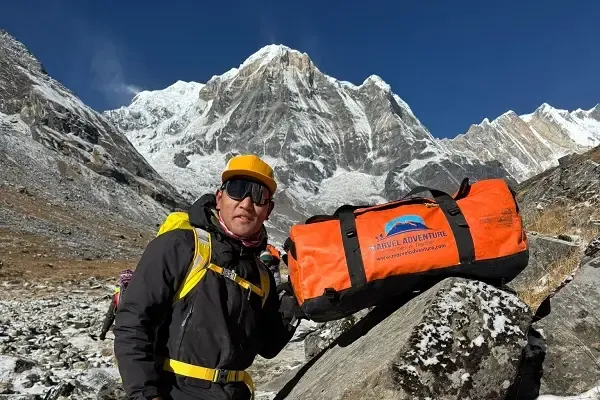

Annapurna Base Camp Trek 7 Days is a popular and exciting trek in the Himalayas that explores the north-central parts of the region. This remarkable classical Himalayan trek takes you to the base of the tenth-highest snow-clad mountain in the world, Mt. Annapurna [8,091 meters/ 26,545 feet], across diverse, enchanting landscapes, enriching Himalayan settlements, and cultural landmarks.
In comparison to its longer variants that last up to 12-14 days, this seven-day Himalayan exploration has been designed to cater to the needs of trekking enthusiasts who are bound by the timeframe.
Despite being a relatively shorter excursion, this epic Himalayan adventure doesn’t miss out on any highlights of the base camp region. In fact, this classical trail in the Himalayas also takes you across Mt. Machhapuchhre [6,993 meters/ 22,943 feet].
Thus, you will be exploring two popular base camps: Annapurna Base Camp [4,130 meters/ 13,550 feet] and Machhapuchhre Base Camp [3,700 meters/ 12,139 feet] in a single itinerary.
So, if you are looking for an introductory trekking adventure to the Himalayas without any major challenges or to add a base camp adventure to the popular cultural trekking trails of the region, Annapurna Base Camp is a unique blend of flavors that sums up different exploration prospects of the region.
Trip Highlights
- Reaching the foothills of the tenth-highest mountain in the world, Mt. Annapurna [8,091 meters/ 26,545 feet]
- Exploration of two of the popular base camps in a single itinerary: Annapurna Base Camp [4,130 meters/ 13,550 feet] and Machhapuchhre Base Camp [3,700 meters/ 12,139 feet]
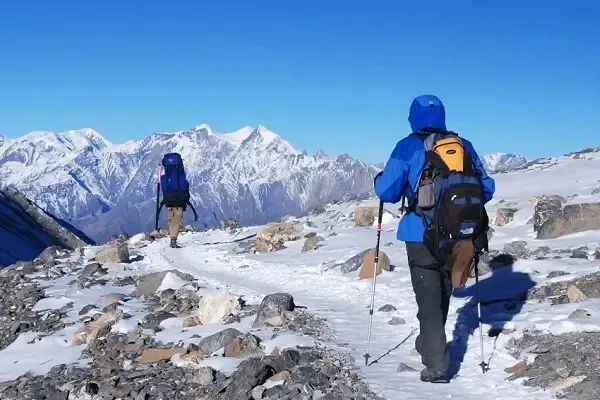
- Incredible views of the Himalayan peaks like Annapurna South, Annapurna I, Machhapuchhre, Dhaulagiri, Hiunchuli, Nilgiri, and other adjacent peaks
- Traversing across diverse terrains, lush rhododendron and pine forests, terraced farms, cascading rivers and waterfalls, and alpine glacial moraines
- Rich biodiversity, rare species of flora and fauna of the Annapurna Conservation Area
- Culturally immersive trails across the traditional Gurung, Magar, and Thakali settlements