Why is it Difficult to Sleep at Gorakshep?
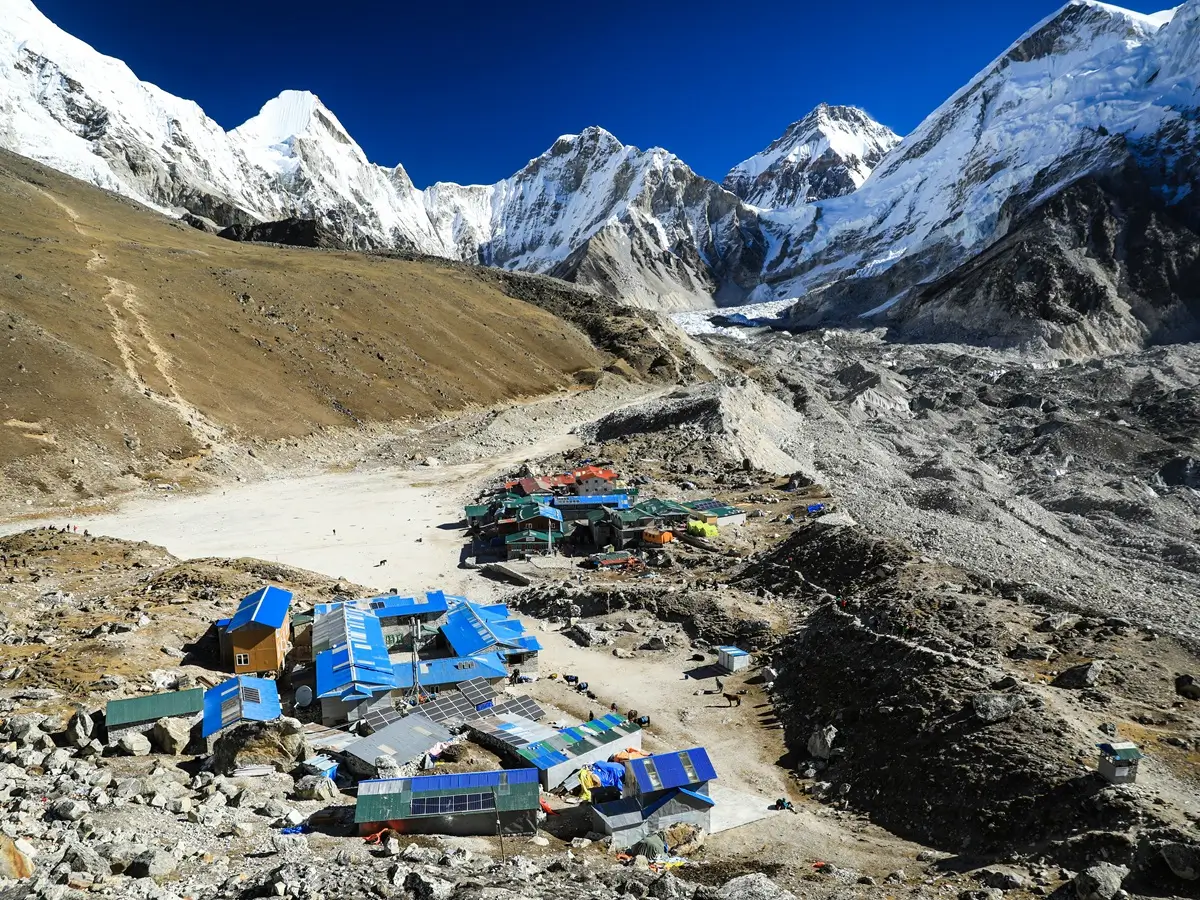
One major thing trekkers need to understand is that you will be sleeping above 5,000 meters in Gorakshep, and at this altitude it's natural for your body to react differently.
The altitude is only part of the challenge, as several other factors can also affect your sleep.
Cold, Unheated Rooms
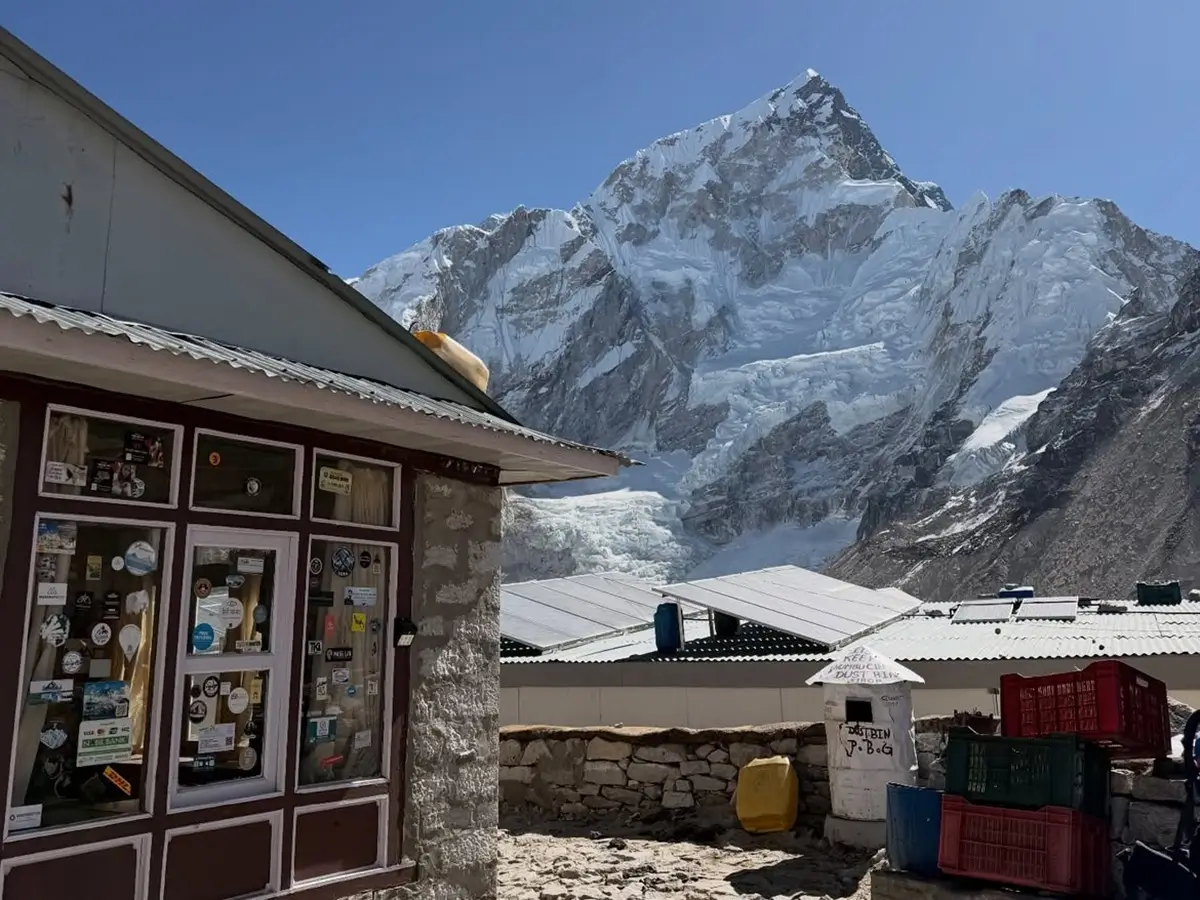
One thing trekkers should know beforehand is that the Gorakshep accommodation is basic. Your room often feels cold, especially after sunset, since the only heating is in the communal dining area. This is why we strongly recommend having suitable layers and a sleeping bag to keep yourself warm during the night.
Dry Air and Throat Irritation
You will already feel the cold and dry air above 5,000m during the day. This can be slightly problematic during your Gorakshep overnight stay. It is common for trekkers to breathe through their mouth at altitude, which increases the dryness. Thus, you might wake up multiple times reaching for your water in the middle of the night.
Headache, Restlessness and Altitude Effects
Some trekkers notice a mild headache or feel unusually restless at Gorakshep. Others simply cannot find a comfortable rhythm of sleep. High altitude can strongly alter your sleep pattern. It is better to look at the overall pattern of symptoms rather than focusing on one symptom alone. A restless night on its own is not enough to conclude that you have AMS (Acute Mountain Sickness).
Dehydration after a long Trekking Day
By the time you reach Gorakshep, you could be a little dehydrated without even realizing it. We have noticed that some trekkers drink less to avoid frequent toilet breaks, making things worse for themselves. The dry mountain air and steady walking can increase your fluid needs.
There is also the simple reality of physical fatigue after a long trekking day. Your body is tired from the constant walking. So, make sure you take enough fluids during the day, eat properly, and give yourself some time to relax before getting into bed.
However, not every trekker experiences these symptoms. Every season, we’ve had trekkers who sleep really well at Gorakshep. Others experience several of these at once and spend most of their nights waking up.
Your Body is Still Adjusting above 5,000 meters
Gorakshep is a big elevation jump compared with almost anywhere else you've slept on this trek. Your body doesn't finish adjusting to that the moment you arrive. It keeps working on it through the night.
Your breathing response changes. Your circulation works differently. Your body continues responding to the reduced oxygen availability while you rest. So, your sleep becomes lighter, even if you feel completely fine during the day.
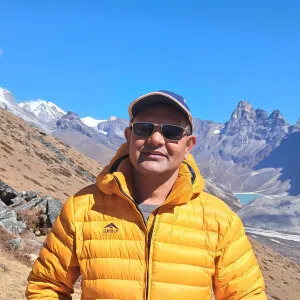
Here is what Phinjo, one of our experienced Everest guides, often says:
Think of acclimatization as an ongoing process. It doesn’t just happen in an instant. Your body constantly tries to adjust itself to the situation even when you are resting.
Over the years, sleep disturbance has been one of the most common complaints we have received from trekkers who sleep at high altitude, and it is not always related to altitude sickness.
This distinction matters a lot. You might have a poor night at Gorakshep and still be doing well the next day.
Why Can Walking Feel Easier Than Sleeping?
This is something trekkers often find confusing. You walk from Lobuche to Gorakshep feeling good, head to EBC, and return to your Gorakshep teahouse thinking you will sleep well. Then suddenly you start to struggle once you’re lying still.
During the day, you are moving almost constantly. You are consciously breathing as you walk uphill. Your heart rate is higher. You are focused on your footing, the trail, your guide, and the people around you. Plenty is happening around you. You may notice your breathing, but you are not sitting there listening to every breath.
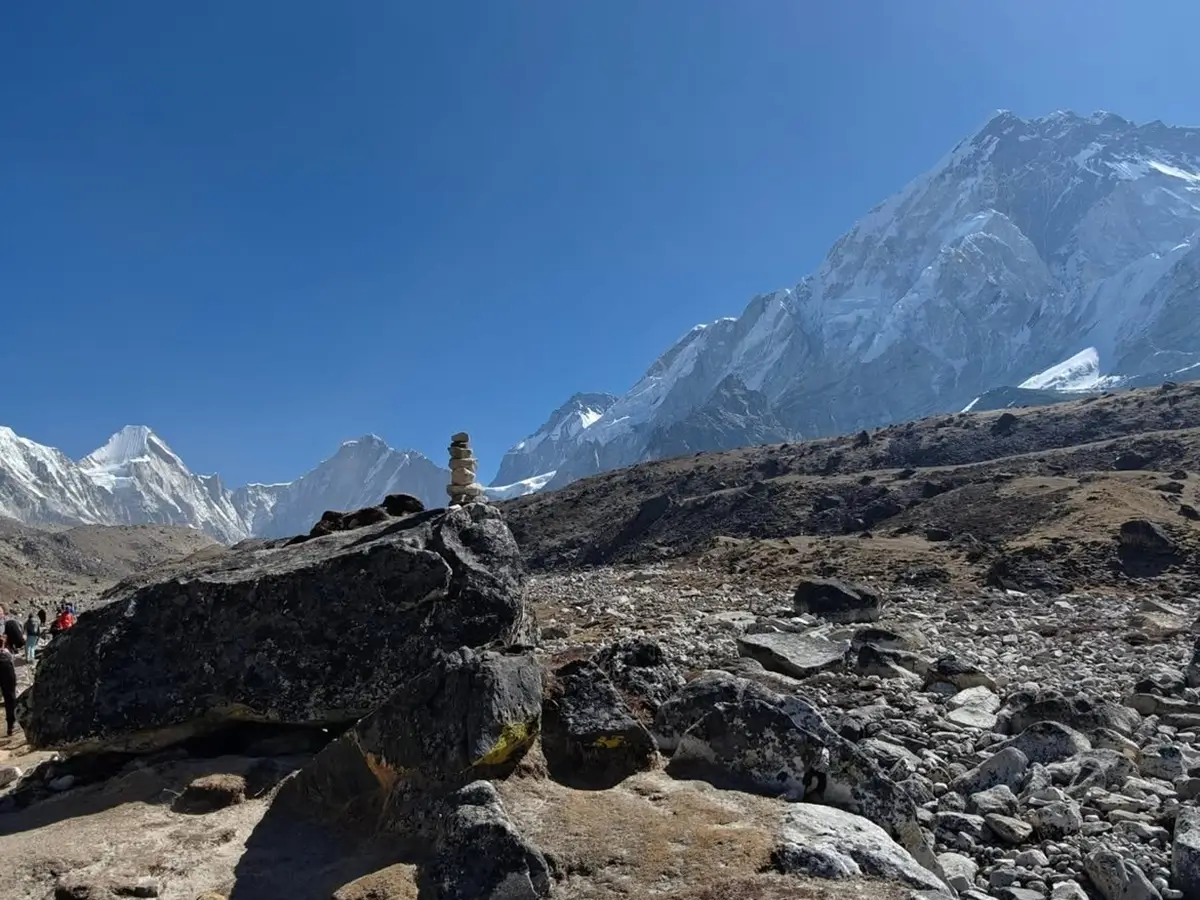
At night, all of that stops. You lie down and become far more aware of your own breathing. Everything becomes quieter. Your body relaxes. Your breathing pattern changes. There are fewer distractions, so small discomforts become much easier to notice. A dry throat suddenly bothers you. Your sleeping bag feels cold. You wake after what seems like a long sleep and discover that only an hour has passed. You notice your breathing more than you did on the trail.
At higher altitude, breathing can also become more irregular during sleep. This is also why some trekkers wake repeatedly even when they feel fine while walking.
Being able to walk reasonably well does not guarantee a good night's sleep. And a difficult night doesn't necessarily mean something is seriously wrong either.
Is Poor Sleep at Gorakshep Normal?
Yes, difficulty sleeping is common at Gorakshep. Sleeping above 5,000 m is genuinely different from sleeping at any of the lower stops on this trek.
Some people sleep reasonably well here. Others wake repeatedly or feel like they barely slept at all. The mistake is to judge your health entirely by how many hours you think you slept.
If you wake up after a poor night but otherwise feel reasonably well, can eat, walk normally, and have no concerning or worsening symptoms, the situation is very different from developing several symptoms that are getting worse. This is the reason our guides look at your overall condition rather than treating one bad night as a diagnosis.
That being said, we also strongly recommend not brushing off any symptoms that are clearly getting worse rather than settling.
What Does a Typical Night at Gorakshep Feel Like?
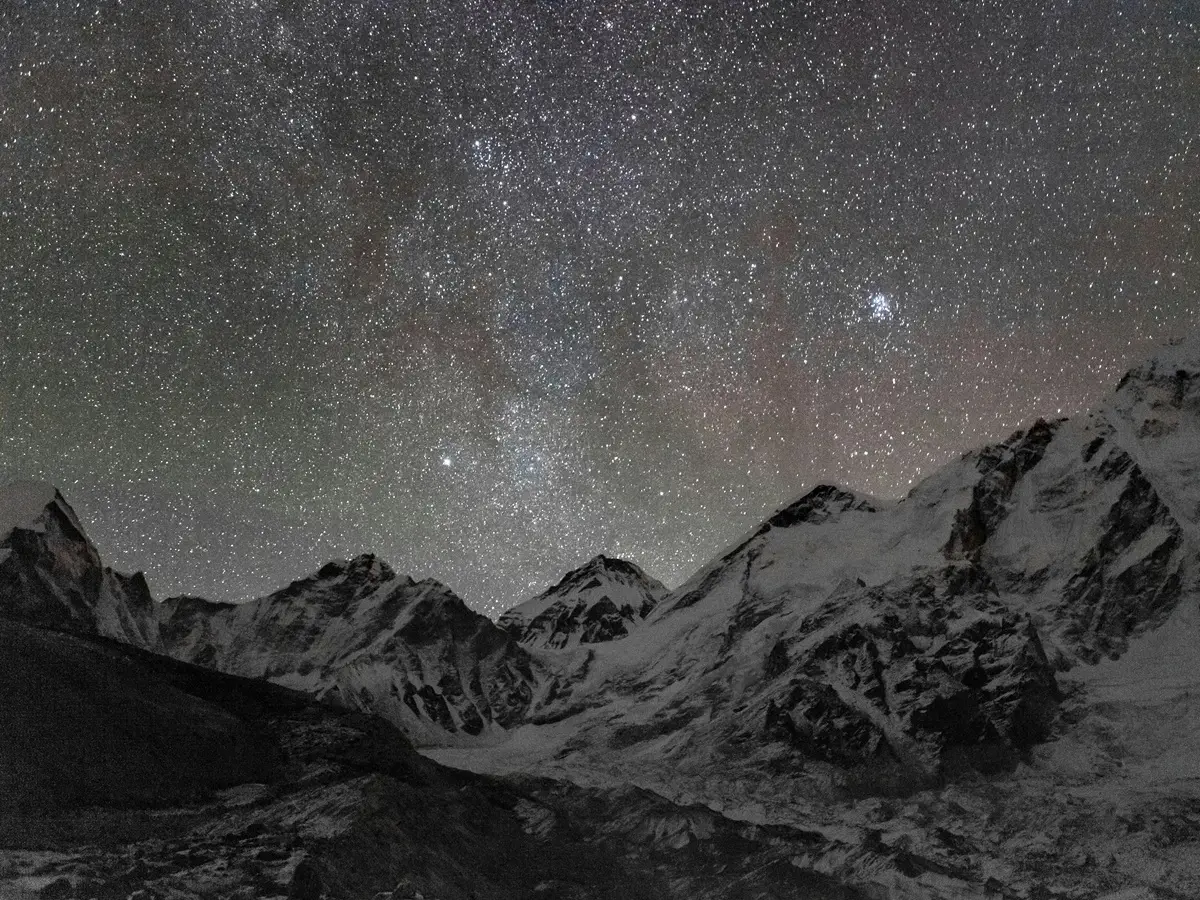
Every trekker's night looks a little different, but here is a common pattern that goes something like:
You arrive tired, warm up over dinner in the common room, then head back to your bedroom. The temperature feels different immediately. You get into your sleeping bag, drink some water, and try to sleep.
Maybe you fall asleep quickly. Maybe you wake up after an hour. You may find yourself checking the time, turning over, noticing your dry throat, or simply becoming aware that your breathing feels different.
Eventually, morning arrives. And sometimes the funny thing is that you realize you actually slept more than you thought. Other trekkers may have a completely different experience and sleep surprisingly well.
How to Sleep Better at Gorakshep?
Here are a few habits that make a genuine difference, even if nothing guarantees a perfect night.
- Stay hydrated through the day, without overdoing fluids right before bed.
- Keep yourself warm, layer up, use your sleeping bag properly, and keep essential clothing within reach for the night.
- Eat enough at dinner. Your body has worked hard to get here and needs energy.
- Keep your evening calm by avoiding unnecessary stimulation before trying to sleep.
- Stick to your acclimatization schedule. Good sleep at altitude comes from a good itinerary.
- Avoid alcohol at altitude, especially as a sleep aid.
- Don't panic if you wake up. Waking repeatedly through the night is common at this altitude.
- Tell your guide if something feels off. Communicating is always better than quietly worrying it through alone.
We wouldn't recommend medication or supplements as a casual fix for sleep here. You need to consult with your doctor before your trip. It's not something to improvise at 5,164 m.
What Our Guides Watch For At Gorakshep?
We don’t treat reaching Gorakshep as just another point in our itinerary.
At Marvel Adventure, our guides pay attention to headache, energy level, appetite, breathing, coordination, and alertness. They watch for anything unusual in behaviour or general appearance, check oxygen saturation when useful, and most importantly, keep track of whether symptoms are improving, holding steady, or getting worse over time.
No single sign tells the entire situation, and no guide can diagnose every condition on the trail. It's the pattern across all of it that our guides are really watching.
When Poor Sleep May Be More Than Just A Bad Night
A bad night does not automatically mean altitude sickness. But poor sleep should not be used as a reason to ignore other symptoms either.
If something feels really wrong, you should tell your guide right away. Here are a few things to consider immediately:
- A worsening or severe headache
- Significant difficulty breathing, especially at rest
- Confusion or unusual behaviour
- Severe weakness or trouble walking normally
- Persistent vomiting
- Inability to walk a straight line/loss of coordination
- Any symptom that's clearly getting worse rather than settling
We provide an experienced, licensed guide for every Everest Region trek, who will look after the situation and recommend the right next step for your circumstances. We always say this to our clients: don't panic over one rough night's sleep, but don't stay quiet about symptoms that are worsening either.
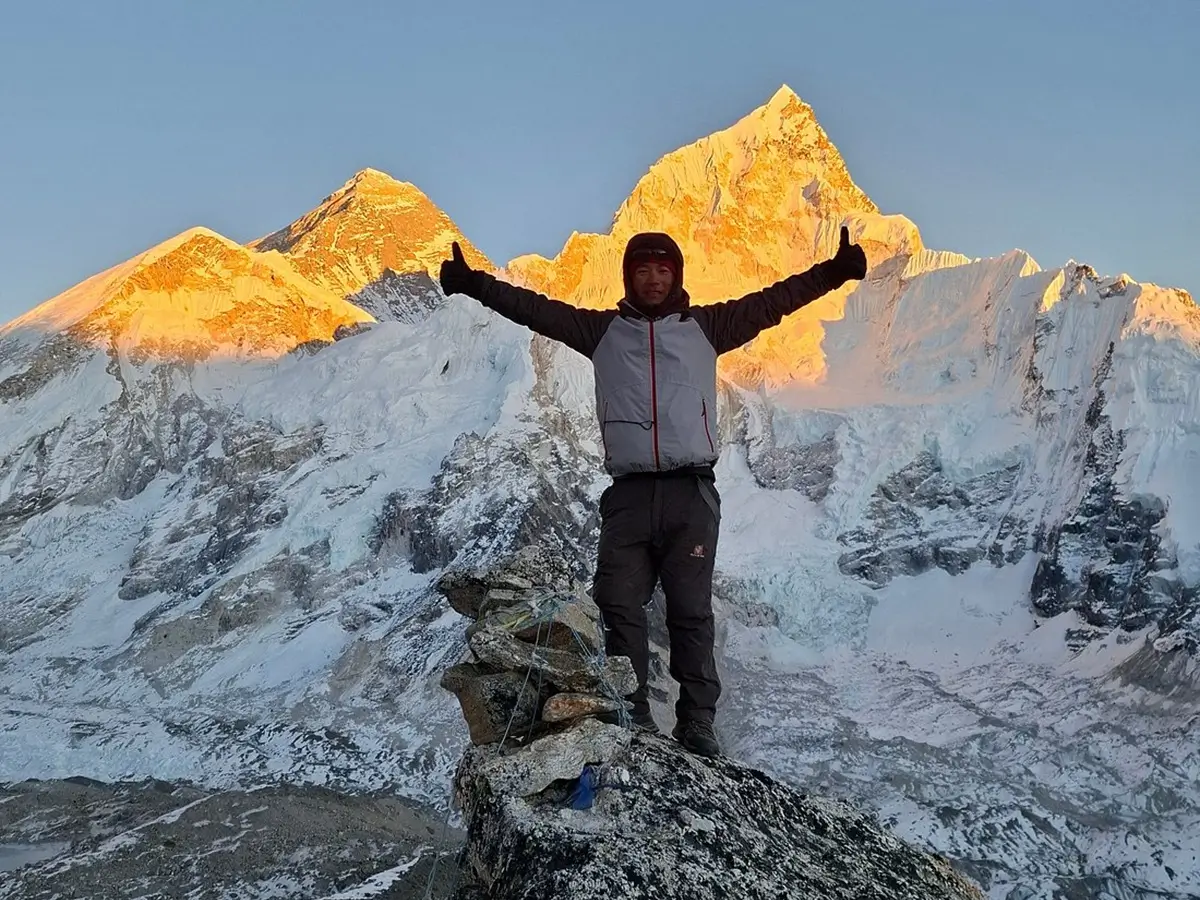
Do You Actually Sleep at Everest Base Camp?
You normally do not sleep at Everest Base Camp on a standard EBC itinerary. You will visit Everest Base Camp itself as a day trip from Gorakshep, then return to Gorakshep to sleep. That's exactly why this one overnight stop is where the toughest night happens.
Final Thoughts
Gorakshep is high, and sleeping there can be genuinely uncomfortable. People respond to this altitude differently, and honestly, there's no single "right" way to experience it.
But what actually helps is: proper acclimatization earlier in your itinerary, staying warm and hydrated, and talking to your guide when something feels off.
Head to Gorakshep expecting a difficult night, but not a guaranteed one, and you'll handle it a lot better either way.
Are you planning your Everest Base Camp Trek, but worried about sleeping above 5,000m? Our well-designed itinerary includes acclimatization days, experienced guides, and an overnight stay at Gorakshep before the return journey.
FAQs
Why is sleeping at Gorakshep so difficult?
A few things hit you at once: thin air, a cold room, a dry throat, and a body still working overtime just to breathe. Some trekkers notice several of these, while others sleep reasonably well.
Is it normal to sleep badly at Gorakshep?
Yes, it is very common. We've had strong, well-acclimatized trekkers wake up more tired than when they went to bed. Something about lying still above 5,000 m makes the altitude a lot more obvious than it ever was on the trail.
Does poor sleep at Gorakshep mean I have altitude sickness?
No, not by itself. Waking repeatedly or feeling like you barely slept can happen at this elevation, although everyone's experience is different. What actually matters is symptoms that keep building through the night or show up together, such as a headache that won't go away. That's what to tell your guide.
How cold is Gorakshep at night?
Cold enough that a water bottle left out can freeze solid by morning. Depending on the season, nighttime temperatures usually drop below freezing, especially in colder months. The only genuinely warm spot in the teahouse is usually the dining hall, where the stove keeps running.
What is Gorakshep accommodation like?
Basic, and everyone who's been there will tell you the same thing. Expect simple twin rooms, thin walls, basic beds and a couple of blankets. It's a step down from the teahouses lower on the trail.
How can I sleep better at Gorakshep?
Drink water throughout the day rather than right before bed, layer up properly inside your sleeping bag, and eat a real dinner even if you're not hungry. Beyond that, waking up at 2 am and lying there for a while is normal here.
Do you sleep at Everest Base Camp?
No. You walk to Base Camp and back in a single day, then return to Gorakshep for the night. Gorakshep is where the hard night actually happens.