Why Have an Acclimatization Day in Namche Bazaar?
By the time you reach Namche, you will have gained enough elevation that your body needs a chance to slow down before going higher. An acclimatization day gives you that chance. It isn't simply a rest day built into your schedule. It is a deliberate pause built into the Everest Base Camp Trek itinerary so your body has time to adjust before the trail climbs further toward Tengboche and beyond. Skip it, or spend it poorly, and the days above Namche tend to get harder than they need to be
Why an Acclimatization Day Is Not Just a Rest Day
Many trekkers make a common mistake of thinking that an acclimatization day means staying in bed. It doesn't, and treating it that way usually backfires. Complete rest keeps your body at the same elevation all day, which does little to encourage adaptation. On the other hand, turning it into another full trekking day defeats the purpose too.
The idea is somewhere in between: a controlled hike up to a higher elevation, followed by a return to Namche to sleep. That “climb high, sleep low” pattern gives your body useful time at altitude during the day while keeping your sleeping elevation unchanged overnight. It's a sensible way to support acclimatization, though it’s worth being clear that no single hike guarantees you won't feel any effects of altitude later on.
Why Namche is a Logical First Acclimatization Stop
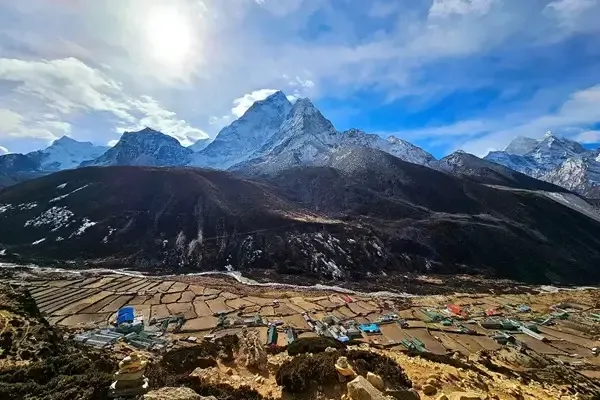
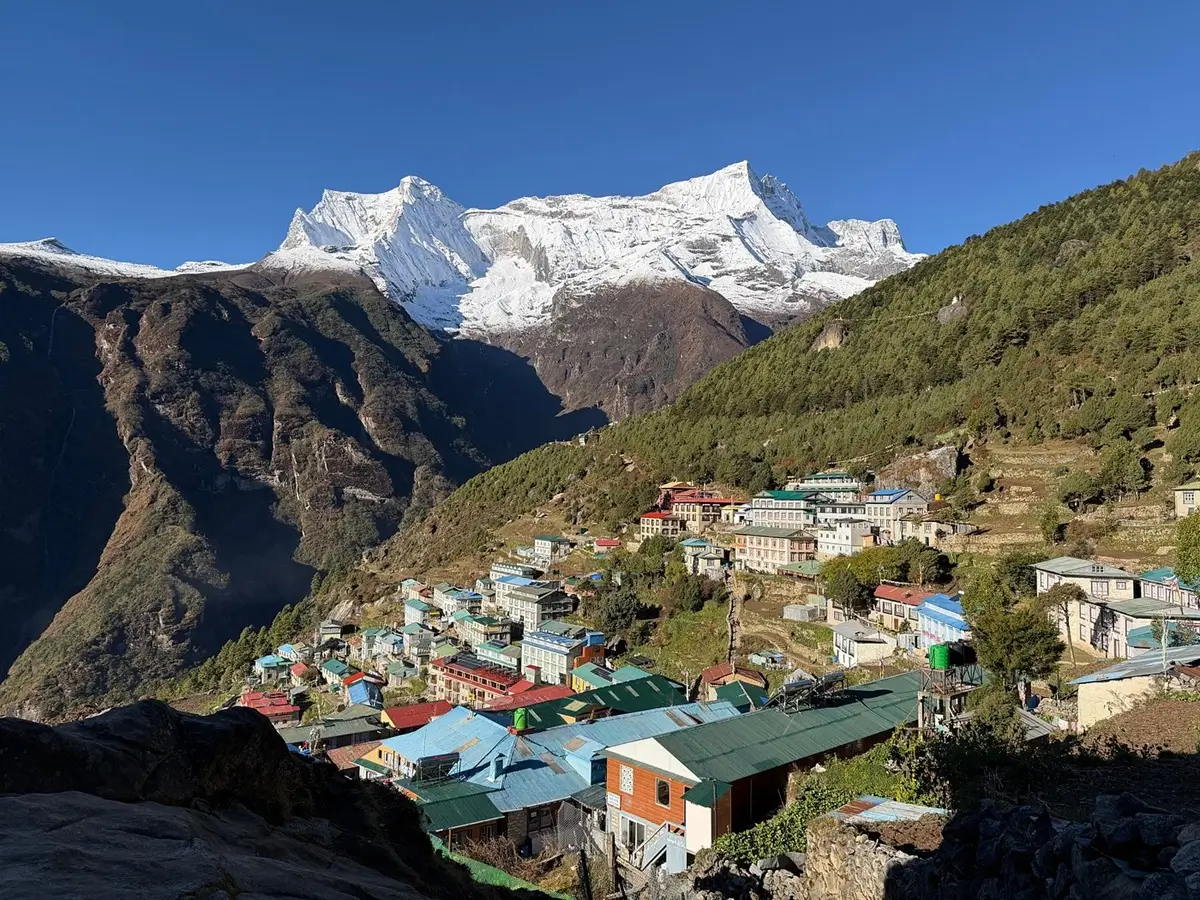
Namche Bazaar sits at 3,440 meters. It's also the first point on the trail that offers infrastructure to support a rest day comfortably. You can easily find comfortable lodges, better food options, connect with people from all around the world, and explore trails leading to higher viewpoints nearby.
You can gain altitude during the day and come back down to sleep at the same elevation you started at. This combination of accessible trails and reliable facilities makes Namche Bazaar the standard first acclimatization stop for the Everest Base Camp trek.
Where Should You Hike On Your Namche Bazaar Acclimatization Day?
Most trekkers' first choice is Everest View Hotel. It gives you enough of a climb to make the day worthwhile without turning the acclimatization day into a demanding trek.
From there, the decision becomes personal. If you feel comfortable, the weather is stable, and you still have plenty of energy, Khumjung is a good extension. If you are tired, there is no point in forcing yourself farther.
Our itineraries give trekkers several options around Namche, including Syangboche, Everest View Hotel, Khumjung, and Kunde. The most important thing here is choosing the option that leaves you better prepared for the next day.
Option 1 - Hotel Everest View
If you ask us where the average EBC trekker should go, this is the answer.
The Everest View Hotel hike takes you out of Namche and up through Syangboche, gaining a fair amount of elevation over a relatively short distance. It's steep enough to get your heart going in the first twenty minutes, and there's no flat stretch to recover on, just steady climbing the whole way.
What changes is the air. Somewhere past Syangboche, you'll notice you're stopping more than you did on the way into Namche, not because the trail got harder, but because there's less oxygen to work with. Legs are fine. Lungs are the ones complaining. Slow down and let that happen instead of fighting it, as that's the whole point of being up here.
Hotel Everest View sits above 3,800 meters. On a clear day, it offers excellent views of Everest, Lhotse, and Ama Dablam, lined up close. But we have also walked groups up there into flat cloud more times than we can count, and it didn't change what the hike did for them. Your lungs don't care what the sky looks like. Reaching this altitude and coming back down is the main point, and most people can call it done right here.
Option 2 - Continue to Khumjung Village
If you reach Everest View Hotel and still feel good, walking on to Khumjung is worth considering. It's not something everyone needs to add.
A few things usually need to line up first. Your legs and lungs both need to be cooperating, not just one of them. The weather needs to hold rather than look like it's about to close in. You need enough of the day left that getting there and back doesn't turn into a rush.
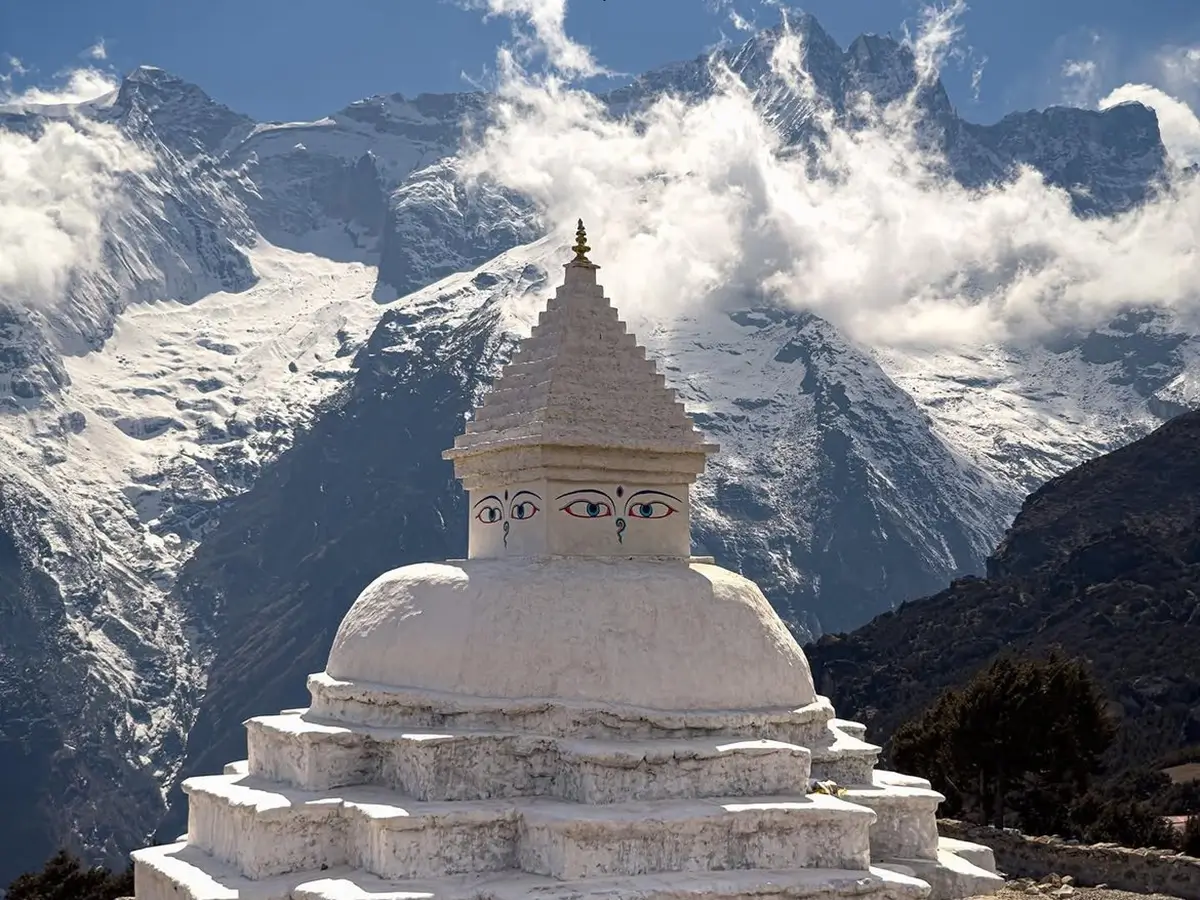
And you need at least some curiosity about the village itself, as Khumjung isn't another viewpoint. It's a place where people actually live. There's a school here, a monastery worth stopping at, and it feels noticeably quieter and more village-like than busy Namche Bazaar.
This extra stretch from Everest View to Khumjung adds walking time and a bit more altitude. But if you're already too tired by the time you reach the hotel, or clouds are rolling in faster than they should, skip it. Nothing about Khumjung is worth turning a good day into a rough one.
Option 3 - Add Kunde for a Longer Loop
The Khumjung and Kunde hike is the longest version of the day, and it is best suited for trekkers who are clearly comfortable at altitude, moving well, and have the time and weather to support a longer trip.
Kunde sits close to Khumjung and adds a bit more distance and just a relatively small additional elevation change to the loop, without requiring an entirely separate excursion.
That said, this option is not necessary for everyone, and it's worth resisting the pull to add it just because you're physically capable of walking further. The extra distance changes the shape of the day with more time out, more energy spent, and less margin if the weather shifts or someone in the group starts to feel the altitude more than expected.
Here's the point to remember: a longer route is not automatically a better acclimatization route. The goal of the day is controlled exposure to altitude, not distance covered. Trekkers sometimes assume more effort must mean more benefit, and that's simply not how acclimatization works.
Option 4 - A Short Hike Above Namche
There are times when you wake up tired, get a late start, feel a bit off, or the clouds are sitting low, and you can’t make it to the Everest View Hotel. However, nobody's checking whether you touched a specific landmark. What matters is that you went up, spent some time higher than Namche, and came back down to sleep at the same elevation.
A shorter walk toward Syangboche or one of the viewpoints above Namche still keeps you active and gives you some time above Namche without turning the day into a demanding outing. You're still putting your body through the same basic process, just without grinding through a big climb to get there.
Which trail you take on a given morning depends on how you're feeling and what the weather's doing, so there's no point picking one out in advance. You can always decide when you're standing outside with your boots on.
Everest View Hotel, Khumjung or Kunde: Which Should You Choose?
| Option |
Best for |
Advantage |
Drawback |
| Everest View Hotel |
Most EBC trekkers |
Good balance of altitude gain, walking and mountain views |
Less village exploration |
| Khumjung extension |
Fit trekkers feeling good at altitude |
Adds village experience and more walking |
Longer day and more energy required |
| Khumjung & Kunde |
Strong, comfortable trekkers |
Makes acclimatization outing longer and more varied |
Longer walking day |
| Short Namche hike |
Tired trekkers, late starters, or poor weather |
Active acclimatization without added strain |
Less distance and fewer sights |
For most EBC trekkers, start with Everest View Hotel. If you still feel comfortable there, the weather is good, and you have enough time, continue to Khumjung. You get real time at altitude, a decent walk, and a look at a Sherpa village without getting exhausted for the next leg. Kunde and the longer loop are there if you want them, but only go for it if the day's actually going that well.
If you are still confused on the day, you can ask your guide how you are doing and then go for the hike that suits you the best.
What If You Feel Unwell on Your Namche Acclimatization Day?
This is the one part of the day you don't want to ignore at all. Watch for symptoms such as a headache that does not ease, nausea, dizziness, or unusual fatigue. If any of that shows up, inform your guide right then. Don't sit on it because the plan says Khumjung today and you don't want to be the one who slows things down.
Walking higher does not fix altitude symptoms. We say this because there is a common misunderstanding among trekkers that pushing through will work. Usually it does the opposite. Depending on what you're feeling and how bad it is, the guide might cut the hike short, change the route entirely, or in some cases rework the days ahead on the itinerary. If you want to understand the full picture, then check out this article: What Happens If I Get Sick on Everest Base Camp Trek?
Staying hydrated is important, but drinking more water does not treat genuine altitude sickness. Some trekkers tend to ignore the altitude sickness symptoms, thinking that drinking more water would solve it. You could be ignoring something that could cause problems later on the trek.
So, flag it early. Let your guide make the call, and get proper medical help if needed. The whole reason this day exists is to keep you safe higher up the mountain, and that only works if you're honest about how you're feeling right now, not how you wish you felt.
What If the Weather Is Bad?
You can never predict the weather in the Everest Region. It might get cloudy over the valley on the acclimatization day. However, it doesn't cancel what the day's for, since you're up there to see what altitude does to your body, not to take a photo.
But weather does decide which route makes sense. Rain, snow, fog thick enough that you can't see the trail edge, and ice on the rocks are the reasons to cut the day short.
Chasing a view through bad conditions just isn't worth it, and our guides deal with this all the time. If the weather is bad, they will swap the long loop for something shorter or shift the timing around later in the morning.
Missing Everest today isn't the end of it, either. These mountains have a way of showing up when you least expect it.
Common Mistakes on a Namche Acclimatization Day
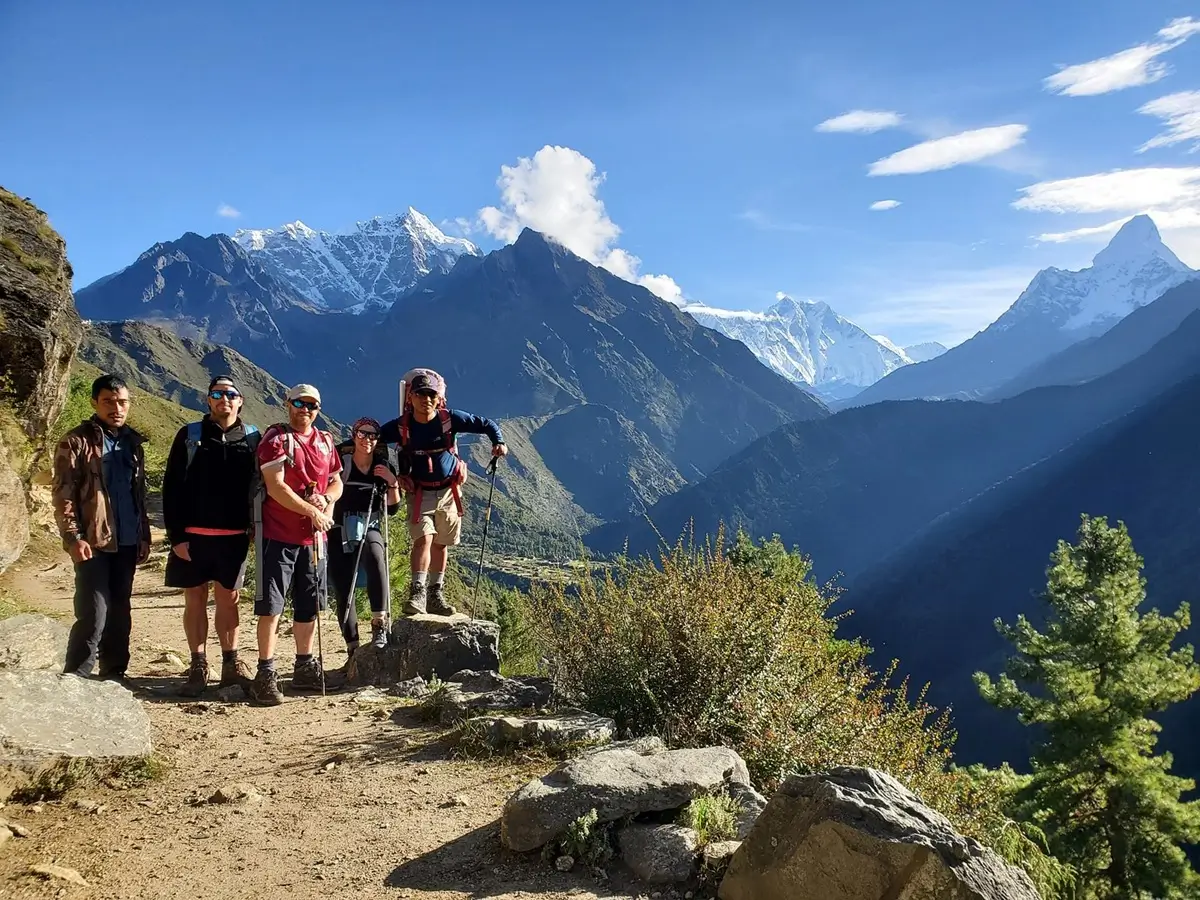
With years of experience in operating Everest region treks, we have noticed some common mistakes trekkers make. These are small decisions that seem harmless in the moment and only cause problems once you're higher up with less room to recover.
Treating It As a Complete Bed Rest Day
Spending the whole day in your room at Namche's elevation doesn't do much for you. The idea is to spend some time at a higher elevation during the day, then return to Namche to sleep. It gives you useful exposure to the higher altitude without moving your overnight stay higher. Lying in bed all day just means you stayed at the same altitude, which isn't the same thing at all.
Hiking Too Hard Because It Is a “Free Day”
Some trekkers see a lighter day on the schedule and decide to turn it into a personal challenge. You will realize the mistake once the fatigue starts to set in after a few days. On this day, you simply want your body exposed to altitude, not exhausted by it.
Continuing To Khumjung Just Because Others Are Going
Two people can start a trek side by side and handle altitude completely differently. Just because someone in your group is completely fine at Everest View Hotel doesn't mean you're obligated to match them for the rest of the day. Go at whatever pace your own body is telling you to.
Ignoring Headache or Other Symptoms
A slight headache can happen when you first reach this altitude, but you should still pay attention to how it develops. If it gets worse or does not go away, don't simply assume it’s part of the trek. Let your guide know. It only takes a moment to mention it, and your guide can then decide whether you should keep going or take it easier.
Staying Out Too Long and Returning Exhausted
Namche isn't the finish line, as there is harder trekking still ahead. The whole point of this day is to walk back in ready for what's next, not to come back completely spent because you squeezed every last bit out of an outing that was supposed to be the easy one.
Our Recommended Namche Acclimatization Hike
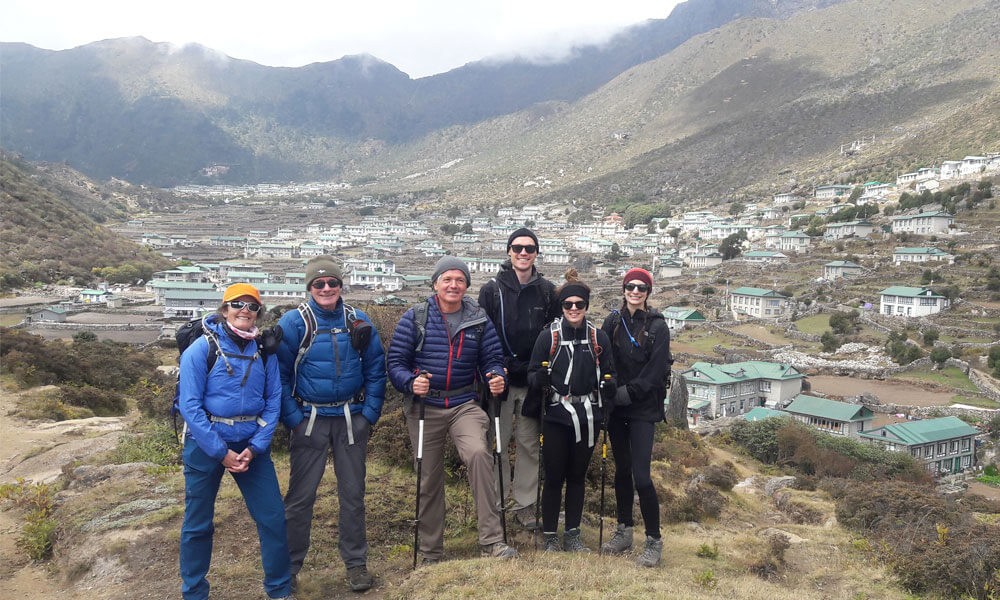
After running this stage enough times, here's what we usually go with: Namche - Syangboche - Hotel Everest View - Khumjung (if appropriate) - Namche.
Our guides spend that whole morning quietly reading the group. Who's pacing well, who's starting to fall behind. How people look once the air thins out near Syangboche, as some faces tell you everything before a person says a word. What the sky is doing. What the trail is doing. And how much of the day's actually left, because there's a point where adding Khumjung stops being a nice bonus and starts being a rushed walk before dark. If everyone still feels good and the weather's behaving, Khumjung happens. If not, turning around at Hotel Everest View still makes it a worthwhile acclimatization day.
None of this is a race to finish the longest version of the route. Someone who gets to Everest View Hotel, feels good, and walks back into Namche in decent shape has had a better day than the person who dragged themselves through the whole Khumjung-Kunde loop and came back drained.
Conclusion
For most people, Everest View Hotel is the hike that makes sense on your acclimatization day in Namche, with Khumjung added on if you're feeling strong and the weather's cooperating. Kunde and the bigger loop are there if your legs have more in them and the day allows, but nothing about them is mandatory. And if you're tired, feeling a bit off, or the weather's turned on you, walking somewhere shorter above Namche is just as sound a call.
None of this is really about which route ends up on your itinerary. It's about walking into the next stage of the trek with something left in the tank. If you're putting together an Everest Base Camp trek and want help figuring out the itinerary or how the acclimatization days should actually go for your group, reach out to Marvel Adventure.
Frequently Asked Questions
How high is Namche Bazaar?
Namche Bazaar altitude is around 3,440 meters. By the time you walk into town, you've already climbed enough that your body's starting to notice it, which is exactly why the itinerary keeps you here for a day before pushing further.
How high is Hotel Everest View?
It's approximately 3,880 meters, which puts it a good few hundred meters higher than Namche. That gap is the whole reason the hike works for acclimatization. You're not just walking around, but actually gaining meaningful altitude before heading back down to sleep.
How long is the hike from Namche to Hotel Everest View?
Most trekkers take around 1.5 to 2 hours to reach Hotel Everest View from Namche at an acclimatization pace.
Can I hike to Khumjung on the same day?
You can, as long as you're still feeling strong. It flows naturally off the same route rather than requiring a separate trip out, but it does add more walking, so it only works if your body, the weather, and the hours left in the day are all on your side.
Should you hike to Everest View Hotel or stay in Namche and rest?
Go hike it if you're up for it. Being in Namche all day keeps you sitting at the same elevation. Walking up to the hotel and back gets you real time higher up while you're still sleeping at Namche that night.
Is the Everest View Hotel hike worth it even if Everest is cloudy?
Yes, still worth it. What your lungs and blood are doing up there has nothing to do with what's visible from the hotel. Groups have hiked up into total whiteout and walked away having gotten exactly what the day was for. A clear view is a nice extra, not the reason you're up there.
Do I need an acclimatization day in Namche?
If you're doing the Everest Base Camp trek, yes. This is where the trail gains enough elevation that pushing straight through without a pause tends to make the days above Namche harder than they need to be.
What if I cannot complete the acclimatization hike?
No issue at all, as that's not a failed day. If you're tired, feeling off, or the weather's gone bad, walking one of the shorter trails right above Namche can still provide useful higher-altitude exposure without forcing a longer outing: some time higher up, then back down to sleep at the same spot. Touching a specific landmark was never actually the goal.
Can I see Mt. Everest from the Namche acclimatization hike?
On a good, clear morning, yes. From near Hotel Everest View, you get Everest itself alongside Lhotse, Ama Dablam, and the ridges running between them. From Namche itself, the view is a lot more limited. Either way, the hike does its job whether or not Everest decides to show up that day.