Kongma La First or Renjo La First: Quick Comparison
Here is the simplest way to look at both of these directions: Kongma La first takes you through a more natural Everest Base Camp progression, while the Renjo La first makes more sense if you are interested in experiencing the quieter Gokyo side earlier.
| Factor |
Kongma La First |
Renjo La First |
| Starting Direction |
EBC side |
Thame side |
| First High Pass |
Kongma La |
Renjo La |
| Acclimatization |
More gradual |
Earlier altitude |
| EBC Timing |
Earlier |
Later |
| Gokyo Timing |
Later |
Earlier |
| First Pass Challenge |
More demanding |
More approachable |
| Best Suited For |
EBC-focused trekkers |
Gokyo-focused trekkers |
Trekkers need to realise that they will still face the challenge of high-altitude trekking above 5,000 meters in either direction.
Clockwise vs Counterclockwise Three Passes Route
The biggest difference between the two directions isn't just which pass comes first. It's how the rhythm of the whole trek changes once you commit to one side or the other. You are changing which valley you enter first, when you see Gokyo, when you reach EBC, and which high pass becomes your first major test.
Kongma La First Route
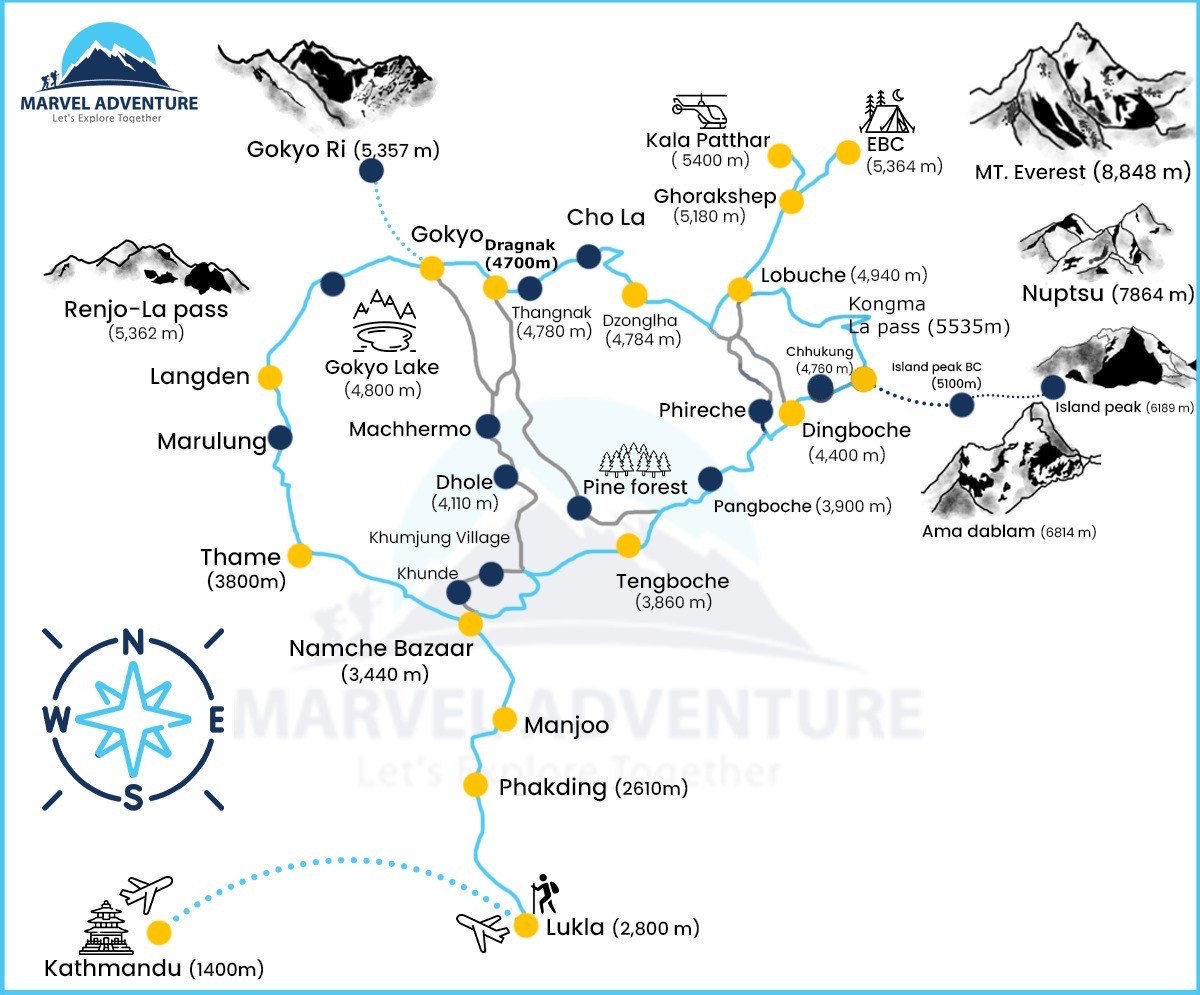
Lukla - Namche - Tengboche - Dingboche - Chhukung - Kongma La - Lobuche - Everest Base Camp - Dzongla - Cho La - Gokyo - Renjo La - Lungden - Namche - Lukla
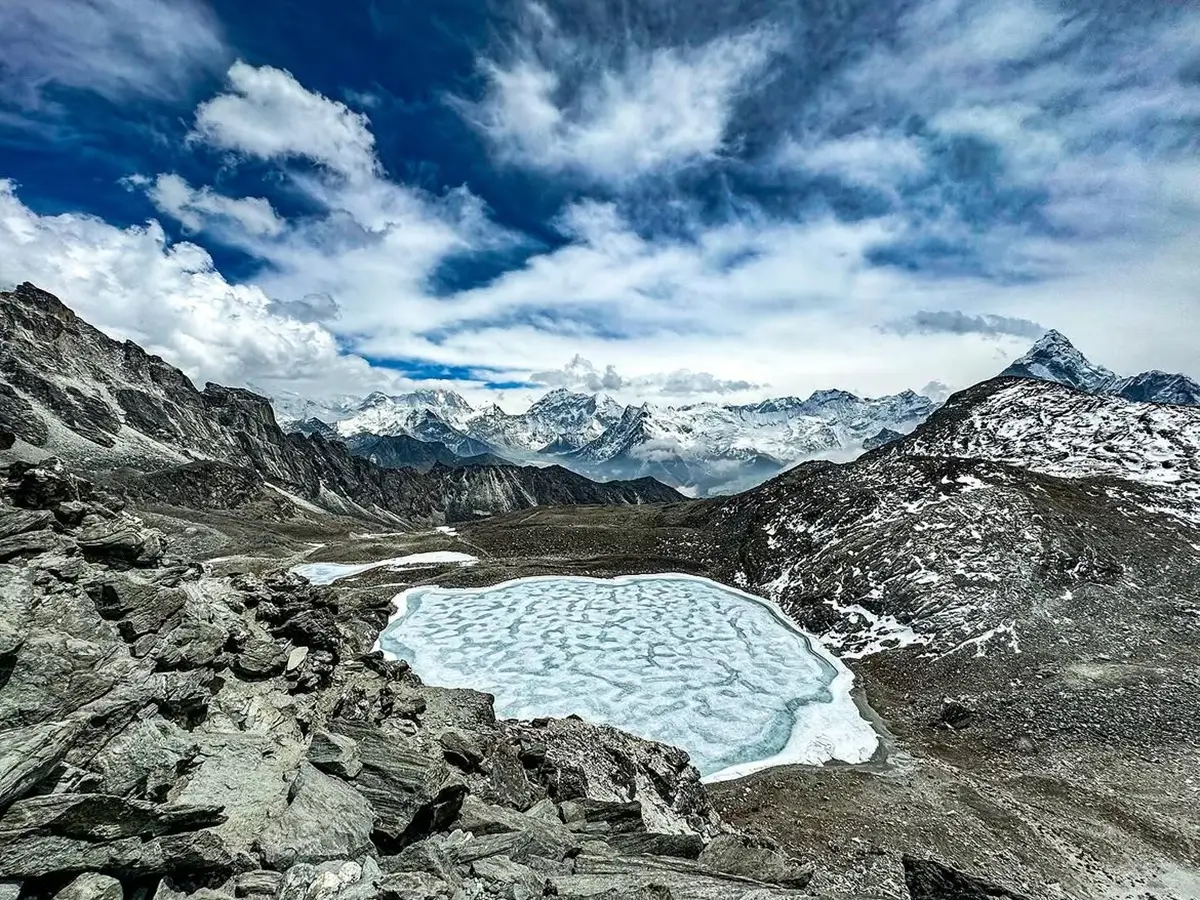
This counterclockwise Three Passes route builds toward the first pass from the EBC side. You climb through Tengboche and Dingboche on ground that will feel familiar if you've already done the standard EBC trail. Finally, from Chhukung, you head towards the Kongma La as your first real high-altitude test.
EBC arrives early on this route, followed by Cho La, and then we head towards Gokyo. Renjo La ends up as your final pass, crossed on the way back toward Namche.
Renjo La First Route
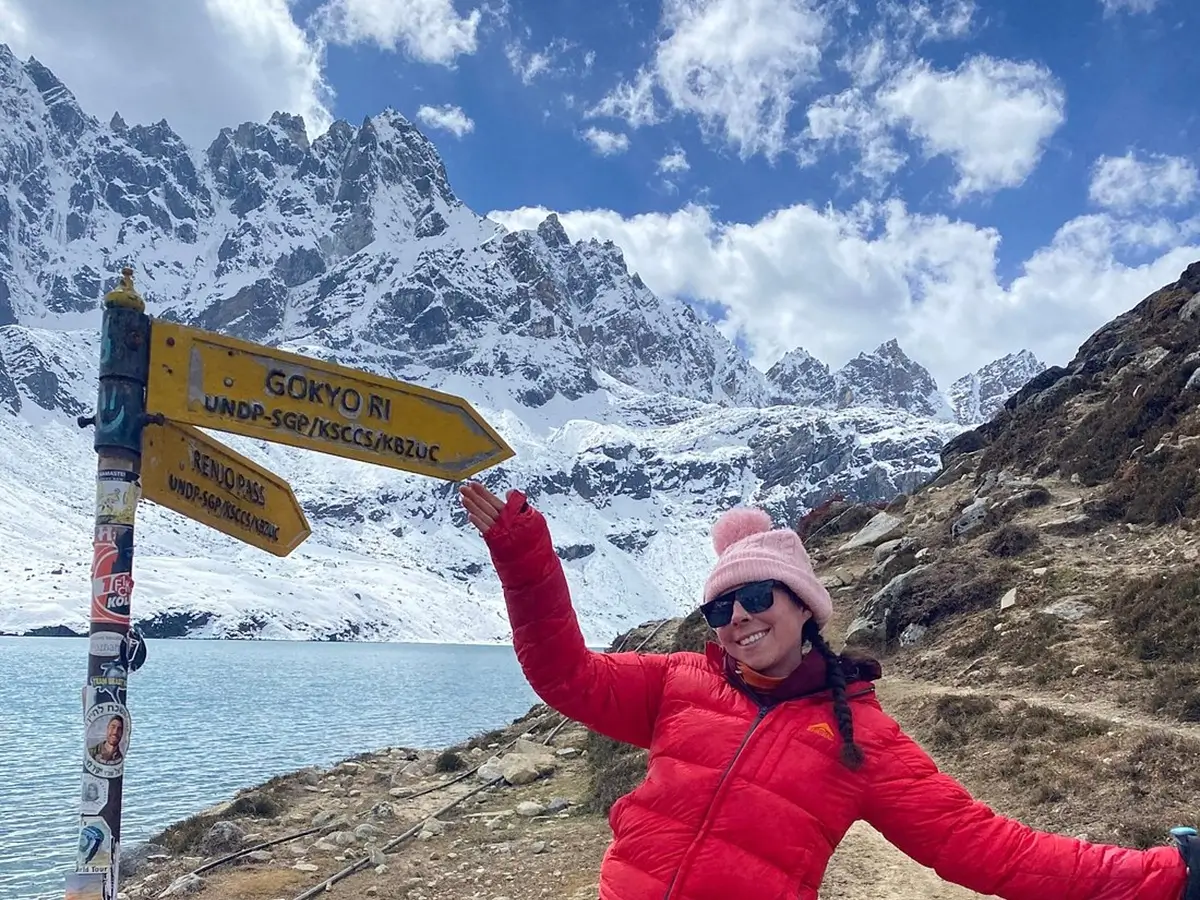
Lukla - Namche - Thame - Lungden - Renjo La - Gokyo - Cho La - Dzongla - Everest Base Camp - Kongma La - Chhukung - Namche - Lukla
This clockwise Three Passes Trek route leaves the main EBC trail earlier than most trekkers expect. Thame and Lungden take you up a quieter valley, and Renjo La becomes your first high pass before you've spent much time at high altitude.
Gokyo arrives early, which means Gokyo Ri is often a first-week highlight of the trek. Cho La comes next, and EBC becomes the bigger objective. Finally, Kongma La is crossed near the end, once you're already familiar with what a high pass demands.
The feel here is different due to an early challenge of major pass crossing, an early scenic payoff at Gokyo, then a longer build toward EBC as the closing chapter.
Kongma La First vs Renjo La First: Key Differences
The real difference comes down to five things: how you acclimatize, when you face the first difficult pass, when you reach EBC, when Gokyo appears, and how weather can affect the crossing.
Acclimatization and Altitude Progression
On the Kongma La first route, you will already have spent a few days above 4,000 meters before crossing anything technical.
On the Renjo La first route, you will be heading towards the first pass through a shorter approach. However, you will have enough acclimatization days built into your itinerary at Namche and Lungden before you actually cross the Renjo La Pass. You will already have the experience of crossing two passes before heading towards Kongma La (5,535m).
From our experience, acclimatization comes down to the daily itinerary, how your body responds to altitude, and your trekking pace rather than the direction you are walking.
Difficulty of the First High Pass
Kongma La usually feels like a more demanding introduction to the Three Passes. The approach out of Chhukung is longer and rockier, and the descent toward Lobuche on the far side asks a lot of tired legs, especially if it's your first pass of the trek.
Renjo La is slightly different. The climb is steep, but the trail is more defined underfoot, and we have seen many trekkers find it a more approachable first high pass to cross. However, don’t make the mistake of considering it to be easy. It is still over 5,300m.
What people don’t realize is that the actual difficulty is the combination of terrain, how many days of altitude you're carrying into it, and the weather on the day you cross.
Everest Base Camp Placement in the Route
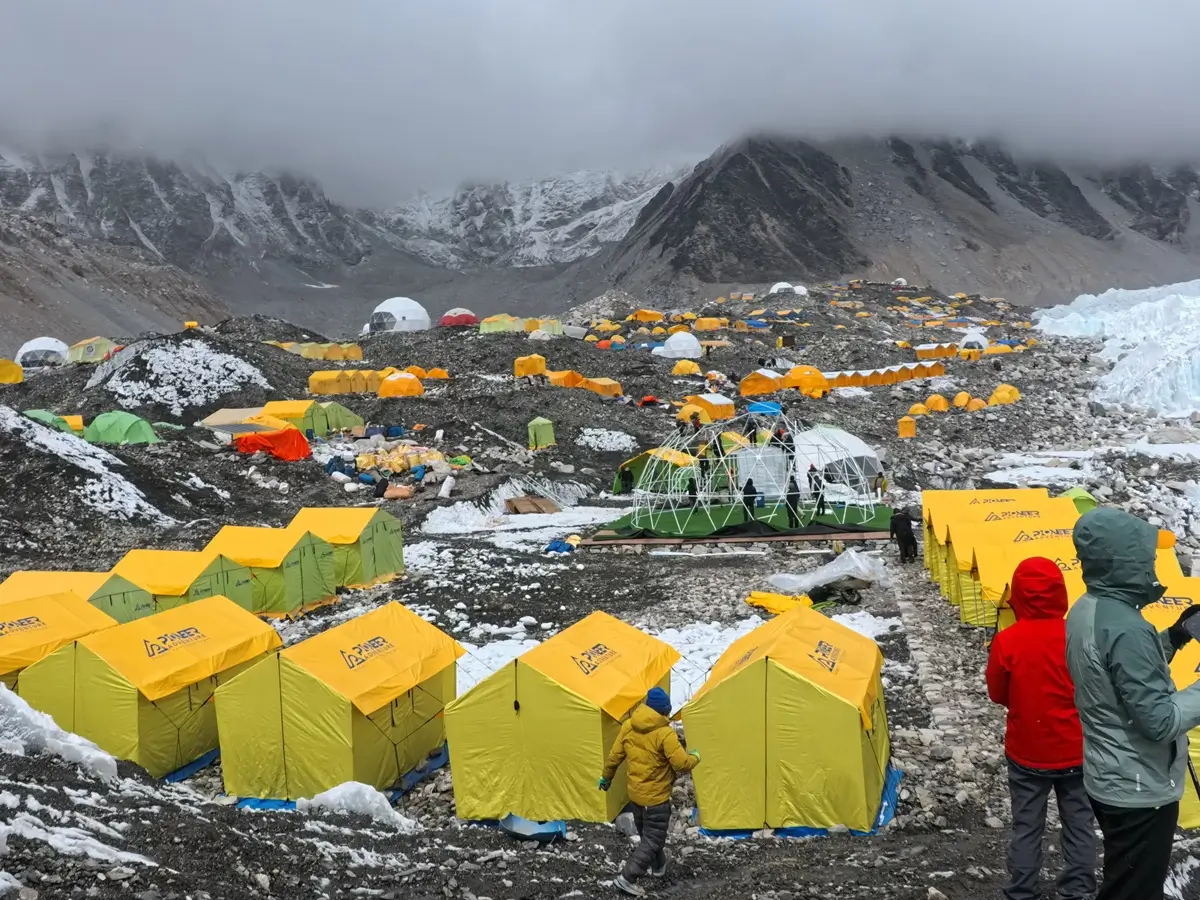
On the Kongma La-first route, EBC comes relatively early. On the Renjo La-first route, EBC is saved for the second half of the trek.
This is one thing that matters more than it might seem. If EBC is the main reason you booked the Three High Passes Trek, we recommend the Kongma La-first route as it can make the whole itinerary feel more natural. You get your headline destination, then the trek continues from there.
If you'd rather build toward EBC as the trek's closing highlight, Renjo La first creates that sense of progression instead. EBC is the dream trek for most trekkers around the world, and this route gives that complete feeling of reaching the base camp after you explore the Everest region.
Gokyo and Gokyo Ri Placement in the Route
Renjo La first gets you into the Gokyo Valley early, often within the first week. For trekkers who specifically want Gokyo Ri, arguably one of the best viewpoints on the entire route, this early placement changes how the trek feels from day one.
On the Kongma La-first route, Gokyo becomes part of the second half. It's still a major highlight of the trek, but it's one you're walking toward rather than one you start with.
Weather and Pass Conditions
High-pass conditions depend on snow, wind, visibility, recent weather, and the time of year. Both Kongma La and Renjo La can be crossed comfortably in good conditions and can become genuinely difficult in poor ones.
We will be completely honest here: there's actually no reliable way to guarantee one direction will get better weather than the other. Anyone who tells you otherwise is guessing.
Is Kongma La First the Better Route?
At Marvel Adventure, we generally prefer this direction.
Advantages of Crossing Kongma La First
- You will get a more natural progression from the EBC side of the trail.
- Experience Everest Base Camp earlier in the itinerary.
- Follow the well-established EBC trekking route before your first high pass.
- You will have crossed Kongma La before the fatigue builds up from crossing multiple passes.
- The entire itinerary becomes easier to picture, especially for first-time Three Passes trekkers.
Disadvantages of Kongma La First
- Kongma La (5,535m), which is also the highest pass among all three passes, is the first major challenge that you will have to face.
- Gokyo comes in the later part of the trek, so the wait can feel longer if it's your main priority.
- The early high-altitude section in the trek can feel more demanding than you actually imagined.
When Does Renjo La Pass First Make More Sense?
Renjo La is another equally legitimate option. For many trekkers, it fits perfectly and works better.
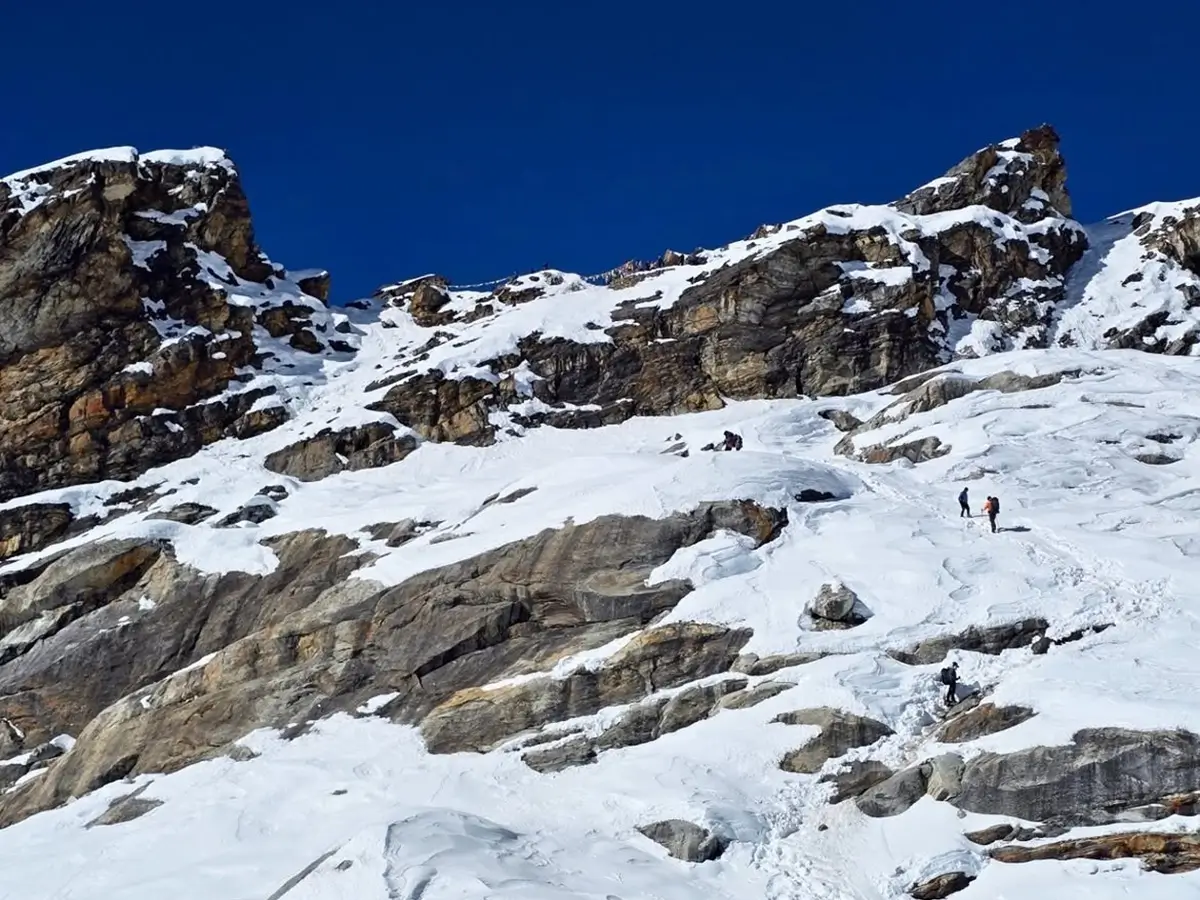
Advantages of Renjo La First
- Trekkers who specifically want the Gokyo Valley and Gokyo Ri experience get it early, rather than waiting through the first half of the trek to reach it.
- You will be crossing your first pass before you've accumulated fatigue from several days of high-altitude trekking.
- Walk through the peaceful route of Thame and Lungden with fewer crowds compared to the busier Everest corridor.
- By the time you reach Kongma La, you've already crossed Renjo La and Cho La, which can make the final crossing feel more manageable.
- If you prefer having a major objective like EBC toward the later part of the trek, this is a genuine advantage.
Disadvantages of Renjo La First
- You reach Renjo La relatively early in the trek, so careful acclimatization is required before the first pass.
- EBC arrives later in the trek, which feels like a long wait and can exhaust you mentally.
- This route can feel less straightforward for those whose primary focus is reaching the Everest Base Camp.
Which Direction is Better for Different Trekkers?
Based on various factors, here is a brief guide about which direction is better for whom.
First-Time High-Altitude Trekkers
- Recommendation: Kongma La First
The progression in this route feels more established, especially for trekkers combining the EBC route with the Three Passes. Trekkers need to understand that this doesn't eliminate the altitude risk. It simply gives you a more familiar structure to plan around.
Experienced High-Altitude Trekkers
- Recommendation: Either Route
If you already have prior high-altitude experience, then both directions can work well with a properly paced itinerary. The decision often comes down to Gokyo preference, EBC preference, route atmosphere, photography, or preferred pacing rather than difficulty.
Trekkers Combining EBC and Three Passes
- Recommendation: Kongma La First
If reaching EBC is your main goal, we suggest you go for Kongma La first. You will have passed through Everest Base Camp by the first part of the trek, which may be the better choice for most trekkers in this category.
Trekkers Prioritizing Gokyo and Photography
- Recommendation: Renjo La First
Some of the most scenic points: Gokyo and Gokyo Ri are earlier in the trek. Trekkers get a slower opening that isn't dominated by the EBC crowds. Please note that the conditions here still vary day to day, so treat this as a general pattern rather than a guarantee.
Sample Itineraries For Both Three Passes Routes
Here is an outline day-by-day itinerary for both routes.
Kongma La First Itinerary
Day 1: Fly to Lukla (2,860m) and Trek to Phakding (2,610m)
Day 2: Trek to Namche Bazaar (3,440m)
Day 3: Acclimatization day at Namche
Day 4: Trek to Tengboche (3,867m)
Day 5: Trek to Dingboche (4,410m)
Day 6: Trek to Chukkung (4,730m)
Day 7: Trek to Lobuche (4,940m) via Kongma La Pass (5,535m)
Day 8: Trek to Gorakshep (5,164m) and Everest Base Camp (5,364m)
Day 9: Hike to Kalapatthar (5,545m) and Trek to Dzongla (4,830m)
Day 10: Cross Cho La Pass (5,420m) and Trek to Gokyo (4,790m)
Day 11: Hike to Gokyo Ri (5,357m) and explore for a day
Day 12: Trek to Lungden (4,370m) via Renjo La Pass (5,360m)
Day 13: Trek down to Namche (3,440m)
Day 14: Trek down to Lukla (2,860m)
Day 15: Fly back to Kathmandu (1,400m)
Renjo La First Itinerary
Day 1: Fly to Lukla (2,860m) and Trek to Phakding (2,610m)
Day 2: Trek to Namche Bazaar (3,440m)
Day 3: Acclimatization day at Namche Bazaar
Day 4: Trek to Thame (3,800m)
Day 5: Trek to Lungden (4,370m)
Day 6: Acclimatization Day at Lungden
Day 7: Trek to Gokyo (4,790m) via Renjo La Pass (5,360m)
Day 8: Morning Hike to Gokyo Ri (5,357m) and Trek to Dragnak (4,700m)
Day 9: Trek to Dzongla (4,830m) via Cho La Pass (5,420m)
Day 10: Trek to Gorakshep (5,164m)
Day 11: Trek to Everest Base Camp (5,364m), Hike to Kala Patthar (5,545m) and Back to Lobuche (4,940m)
Day 12: Trek to Chhukung (4,730m) via Kongma La Pass (5,535m)
Day 13: Trek to Tengboche (3,867m)
Day 14: Trek down to Namche Bazaar (3,440m)
Day 15: Trek back to Lukla (2,860m)
Day 16: Fly back to Kathmandu
Which Route does Marvel Adventure Recommend?
Marvel Adventure usually operates the Kongma La-first direction.
The reasons come down to the natural EBC-side progression, a familiar route before the first high pass, and a practical acclimatization structure. EBC is reached earlier, and from what we have noticed, most clients adapt comfortably when the itinerary is followed at a sensible pace.
If you're unsure, Kongma La first is generally the direction we'd recommend. If Gokyo is your priority, or you specifically prefer the idea of crossing Renjo La first, the clockwise route can work just as well with proper acclimatization built in.
There is no universally correct direction. The right answer really depends on your priorities, your experience with altitude, and the pace you want the trek to move at.
Still unsure which direction suits you?
Tell us your expectations, trekking experience, available days, and whether EBC or Gokyo matters more to you. We will recommend the better Everest Three High Passes Trek direction and adjust the itinerary around your pace.
Frequently Asked Questions
Which direction is Clockwise and which is anticlockwise on the Everest Three Passes Trek?
Renjo La first is clockwise and Kongma La first is anticlockwise on the Three High Passes Trek.
Is Kongma La harder than Renjo La?
Yes, most trekkers find Kongma La the tougher of the two. The approach out of Chhukung is longer and rougher underfoot. Renjo La has a steeper climb but a cleaner trail, so it tends to feel more manageable even though the elevation is similar.
Which is the hardest of the Everest Three Passes Trek?
Kongma La usually is the hardest due to a long, remote and rocky approach with a genuinely difficult descent, and that combination is what wears people down. Cho La also gets a lot of attention because of the glacier crossing near the top.
How many days do you need for the Three Passes Trek?
Plan on 15 to 17 days from Lukla back to Lukla. Anything shorter than our itinerary starts cutting into acclimatization days. We don't recommend compressing this itinerary just to save a few days on the ground.
Can the Three Passes Trek be done in either direction?
Yes. You can start with Kongma La from the EBC side or with Renjo La from the Thame side. Both get you to the same three passes, EBC and Gokyo, by the end. The direction changes the order you experience things, not what you experience.
Which direction is easier for the Everest Three Passes Trek?
Neither direction is objectively easier. What changes is when the hard parts show up. Kongma La first front-loads the toughest pass before you've built up fatigue. Renjo La first gives you a gentler opening pass but asks for solid acclimatization earlier in the trip.
Which direction offers better acclimatization?
Kongma La first gives you more altitude stops before your first pass, which is why we default to it for most clients. Renjo La first reaches high altitude sooner, so we have a more carefully built itinerary to compensate.
Can beginners complete the Everest Three Passes Trek?
It is possible for a well-prepared trekker without previous Three Passes experience, but this is not an ideal first high-altitude trek. The route includes three passes above 5,300m, long trekking days, and changing mountain conditions. Previous experience on a demanding Himalayan trek is a strong advantage.
Which pass has the steepest ascent?
Renjo La's climb from Lungden is the steepest of the three, gaining nearly 1,000m in a single push to the top. It's short compared to Kongma La's approach, but the climb is unforgiving.
Which pass has the hardest descent?
Kongma La, without much competition. The far side drops through loose rock and boulder fields toward Lobuche. It's slow, puts pressure on your knees, and takes longer than most people expect.
Do I need crampons for the Three Passes?
Microspikes cover most conditions, but proper crampons matter on Cho La, where the glacier crossing can be icy depending on the season and recent snowfall. We check current conditions before each departure and tell clients exactly what to bring.