Is it actually possible to work while trekking in Nepal?
Yes, it is possible to work remotely while trekking in Nepal if your work is flexible.
| Work Type |
How practical? |
| Emails and messages |
Usually manageable |
| Writing, coding and offline work |
Quite practical |
| Cloud-based work |
Depends on location |
| Video meetings |
Not fully reliable on trekking days |
| Large file uploads |
Difficult at higher elevations |
| Full 8-hour workday + trek |
Usually unrealistic |
| Emergency/always-online work |
Not recommended |
Why Trekking in Nepal is ideal for Digital Nomads
Nepal stands out among digital nomad destinations in Asia because of its natural beauty and affordability. You can be in Nepal, enjoying an amazing trek without breaking the bank, all while completing your tasks on time.
The Nepal trekking lifestyle allows you to escape the office rush and replaces the city lights with spectacular mountain views.
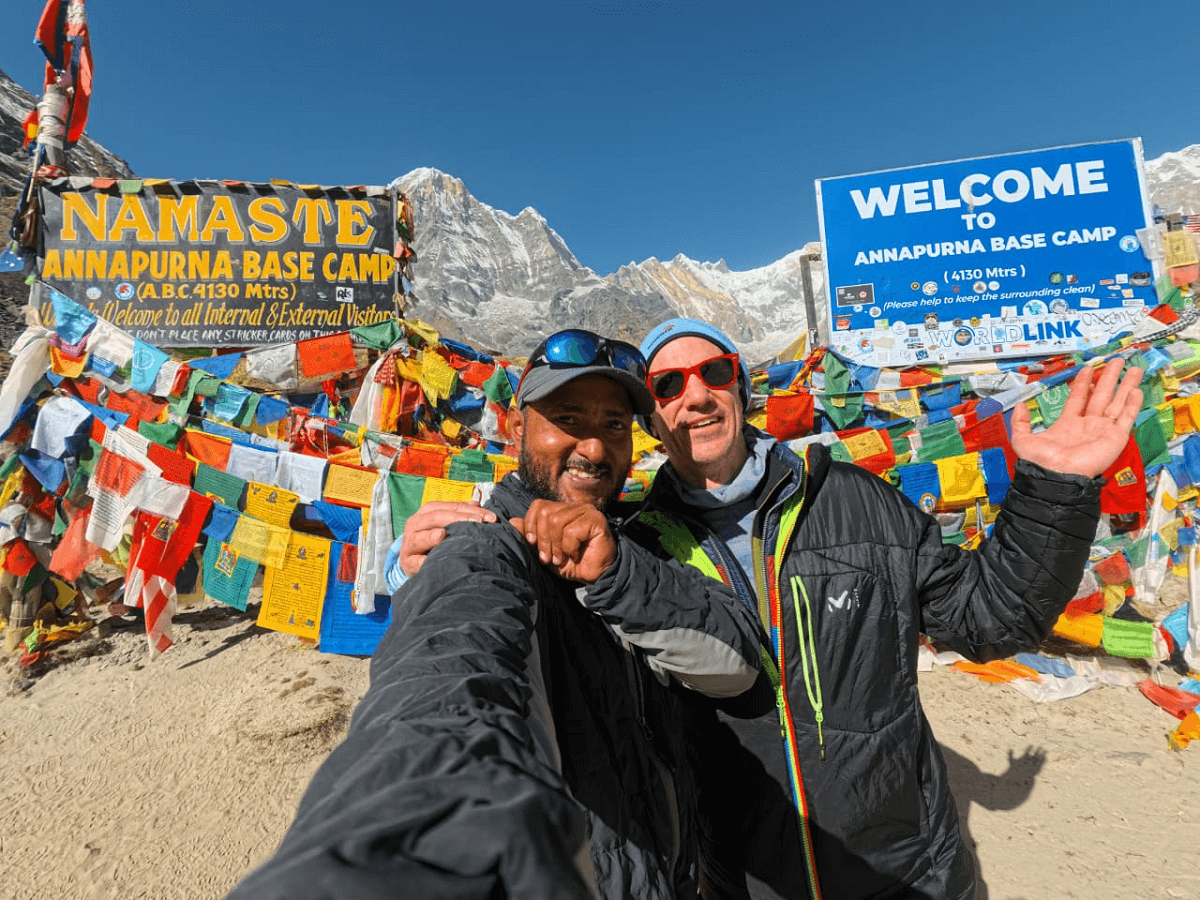
Work-life Balance with incredible mountain scenery
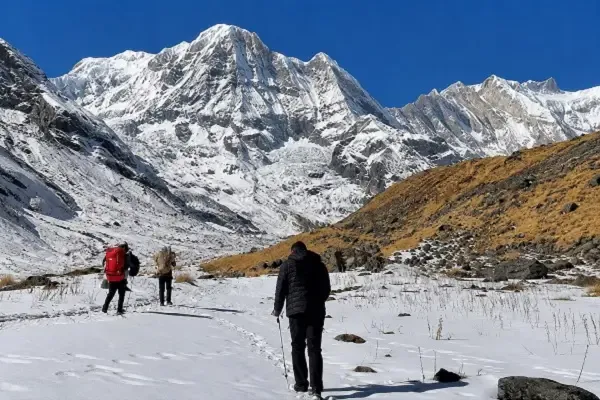
Visualise starting your morning with a walk uphill as the sunrays slowly touch the Annapurna mountain range. A little later, you are settled in a lodge answering your client’s messages with a warm cup of ginger tea.
In the afternoon, work feels easier when rhododendron forests or huge valleys surround you. By evening, it is time to relax by the stove, talking to trekkers about how they do their remote work while travelling through the Himalayas.
When people combine work and trek in Nepal, the daily routine helps them build resilience. We have seen trekkers finish a mountain pass and suddenly feel inspired with new ideas from the huge landscape around them.
Affordable Living and Connectivity in Key Trekking Hubs
One reason people choose to go on a workation in Nepal is that it is very affordable. Compared to digital nomad destinations in Asia, Nepal remains remarkably budget-friendly.
You can easily find strong internet and work-friendly environments in the main trekking gateways of Nepal.
Kathmandu has lots of cafes and coworking spots where travellers prepare for their treks or catch up on work once they’re back from the mountains.
Pokhara, the serene lakeside town close to the Annapurna region, features multiple lakeside cafes with reliable Wi-Fi, where you can prepare for treks and work on your project. Many digital nomads end up spending weeks here between treks.
Even in high-altitude villages like Namche Bazar, you will find internet in teahouses and lodges. You’ll notice it doesn’t have the fastest connection, but it’s usually reliable enough for emails.
Community of Like-Minded Travellers
When you’re on the trail, conversations with other trekkers seem to happen effortlessly. You might be sharing a table with a developer from New York trying to run his code over momos, or a writer from Sydney brainstorming ideas in the misty mornings.
Many of the best connections happen in the lodges. We’ve watched groups of nomads end up working side by side for a while, casually sharing tips about combining trekking with coworking in Nepal.
Best Trekking Routes for Digital Nomads
Choosing the right route is key to working remotely while trekking. You want paths with decent stops for connectivity instead of endless wilderness. After guiding different trekking groups over the years, we have our picks for remote work in the mountains.
Annapurna Base Camp Trek
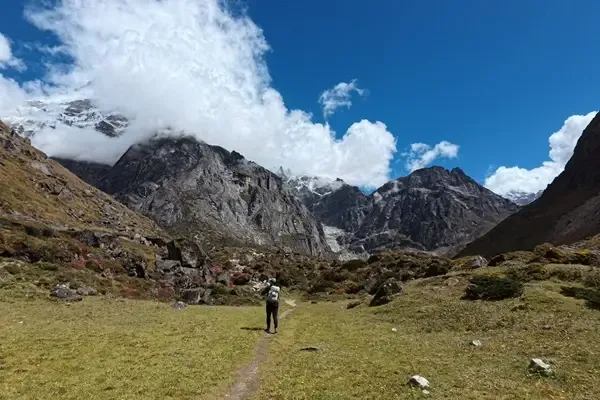
For digital nomads, this classic Annapurna Base Camp trek is the ideal introduction to trekking and working in Nepal. The itinerary usually takes about 10-12 days.
Depending on the itinerary, the ABC route passes through villages like Ghandruk, Chhomrong, and Sinuwa, where you can get Wi-Fi and do some work online.
The typical morning in the ABC trail involves moderate ascents, leaving the afternoon free for work in lodges. In the afternoon, we often see trekkers sitting on the bench with laptops open, as the Annapurna range sits across the horizon.
Short & Rewarding
Price from
Everest Panorama Trek
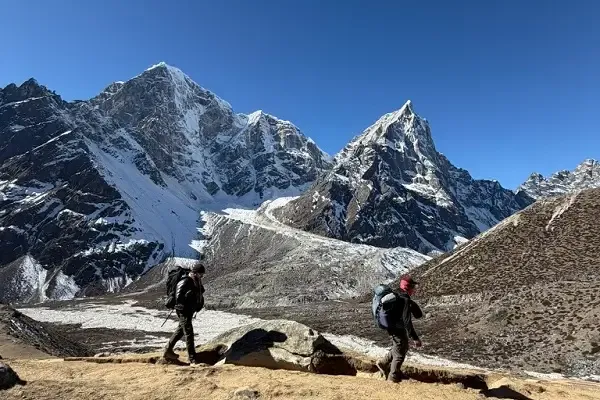
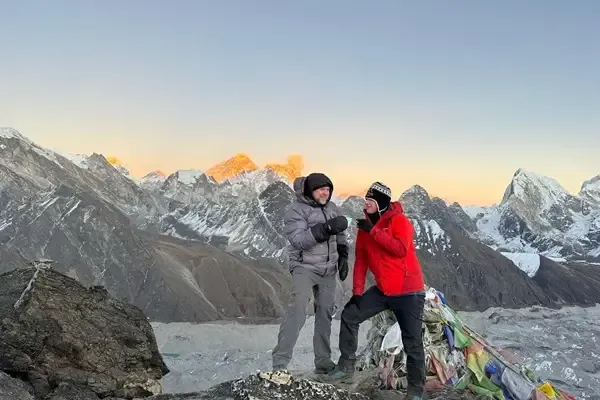
Are you looking for a shorter digital nomad trek in Nepal? The 8-day Everest Panorama Trek gives incredible views of the Everest region without committing to a long expedition.
Villages like Lukla and Phakding offer NTC signals for remote work in the Himalayas. The peaceful trail in this trek is ideal for nomads to focus on their work in the teahouses.
If you are a photographer or a content creator, you can get an epic panorama from the Tengboche monastery. Because this trek isn’t too demanding, it’s a good choice if you want to stay productive with a bit of adventure.
Upper Mustang Trek
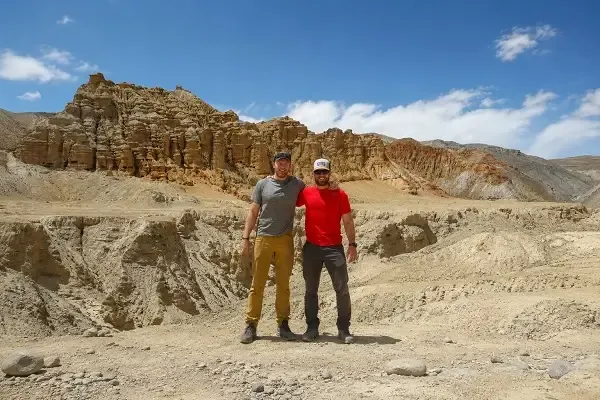
Want a trek that offers more cultural depth? This restricted region, with desert-like landscapes, has many peaceful spots where remote work can still fit into your journey. The sense of isolation here helps with focus.
The Upper Mustang Trek offers a 10-14 day Himalayan adventure, with internet access available at the homestays in Lo Manthang. You might find yourself drafting your project reports with ancient monasteries nearby and red cliffs in view.
We notice how travellers completely immerse themselves in local culture. Last year, we watched one of our clients play along with the kids in the monastery as his files were being uploaded. It's a unique, off-the-beaten-path adventure for digital nomads seeking solitude.
Forbidden Kingdom
Price from
If you want a customized trekking itinerary that allows time for remote work, our team at Marvel Adventure regularly organizes flexible treks for digital nomads.
How to Work Remotely While Trekking in Nepal?
You can definitely combine trekking in Nepal with a workation, but being prepared makes all the difference. Things in the mountains do not always go as planned. Yet with planning, you can stay productive while still enjoying the surroundings of Nepal.
Connectivity Options
Let us be honest about the internet in the mountains. It is not your home fibre connection. But it is also far better than most people expect and is improving every year.
Here is what you will realistically encounter:
Lodge Wi-Fi
Available in most tea houses on the Annapurna and Everest routes. However, availability and speed become less predictable as you go higher. We suggest downloading files and uploading deliverables during off-peak hours (early morning, before other guests wake up).
Ncell SIM card
It's the best option for mobile data on the trail. You can easily pick one up at Tribhuvan Airport or in Kathmandu/Pokhara and top up as needed. The 4G is highly reliable in Pokhara, most Annapurna villages, and Namche Bazaar.
NTC SIM card
Nepal Telecom has broader rural coverage in some areas. We have seen experienced trekkers carry both an Ncell and an NTC card and switch depending on the signal.
Co-working spaces
In Kathmandu and Pokhara, you can find dedicated co-working venues with fast internet and meeting rooms. These places are best for intensive work days before or after a trek.
With years of experience operating in the mountains, we advise digital nomads to finish bandwidth-heavy work before they start the trek.
Accommodation
Teahouses are the heart of the treks in Nepal. They offer basic rooms with shared baths, and many of them have power outlets for charging during work sessions.
Guesthouses in lower elevations add comforts like hot showers. Homestays here immerse you in local life, with families often providing quiet corners for laptops.
Even in a crowded lodge along a popular trekking route like Everest Base Camp, you can keep working comfortably because visitors here tend to respect the unwritten rules of teahouse spaces.
Picture yourself typing away beside a communal dining room stove, as steam rises from your masala chai. These spots make remote working in the Himalayas feel authentic and cozy.
Managing Time
The key to making remote work in the Nepal Himalayas sustainable is managing time. Without it, you could fall behind on work or miss the best of the trekking experience.
Here is what a rough schedule that works for most digital nomads looks like:
- 6 - 10 AM: Trekking in cool morning temperatures and clear skies before clouds roll in
- 10 AM - 12 PM: Arrive at your next lodge, shower, eat, and first work session
- 12 - 2 PM: Lunch and rest (important for acclimatisation above 3,000m)
- 2 - 6 PM: Start your main work block, such as emails, calls, and deliverables
- 6 - 7 PM: Have dinner, socialise with trekkers, disconnect
- 8 - 9 PM: Final email check and then sleep early
You can build rest days or use acclimatization days in your itinerary for intensive work.
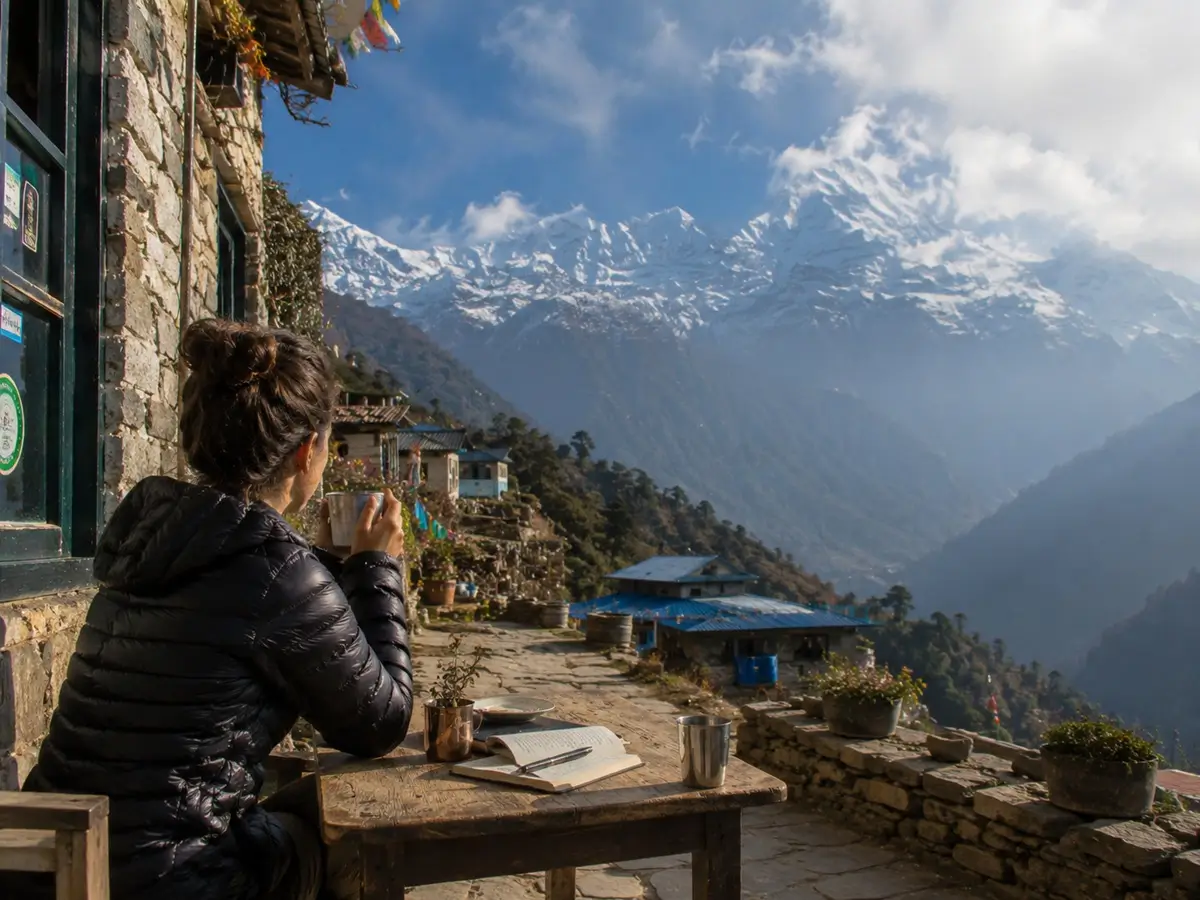
Packing and Gear Tips for Digital Nomad Trekkers
While trekking, we always tell our clients to pack light, but make each item count. From our own experiences, we have learned what digital nomads really need to keep going without overpacking.
Tech Essentials
Useful digital nomad gear includes:
- Lightweight laptop
- High-capacity power bank (20,000mAh)
- Compact solar charger
- Universal travel adaptor with multiport USB charger
- Noise-cancelling earphones
You will easily get electricity in most of the villages in Nepal. However, charging your devices may cost a small fee.
Trekking Essentials for Comfort and Productivity
Good trekking gear makes long days much easier. Some important items include:
- Comfortable trekking boots
- Layered clothes for changing temperatures
- Lightweight backpack
- Insulated waterbottle
- Headlamp for early morning hikes
When your body feels comfortable on the trail, it becomes easier to stay productive later in the day.
Security and Backups
One thing many trekkers don’t realize is that cold temperatures can drain batteries quickly at high altitudes.
We suggest protecting your work by:
- Using cloud storage for files
- Carrying an external USB backup
- Storing electronics in waterproof bags
- Keeping batteries warm in cold weather
Challenges and How to Overcome Them
Even though adventure for digital nomads sounds exciting, trekking while working comes with challenges. And here is our guide on how you can overcome them.
Connectivity Issues at Remote Locations
Higher altitudes mean patchy signals, video calls buffer, and upload delays, as internet access is the most obvious limitation in remote locations of Nepal.
We recommend travellers to:
- Download important files before trekking days
- Schedule meetings and video calls in town with stronger connections
- Use offline productivity tools
Digital nomads in Nepal usually plan their important calls in places like Pokhara or Namche Bazaar, where connections are stronger.
Altitude Adjustment while Working
As the altitude increases, it affects your energy level. You might even feel symptoms of Acute Mountain Sickness (AMS) around 3,000 meters. Prioritise your health over work.
Here are a few suggestions that will help you adjust to altitude while working.
- Schedule lighter workloads on trekking days
- Take proper acclimatization days
- Stay hydrated and rest when needed
We’ve seen trekkers get exhausted quickly as they try to push both work and trekking. So, these mountains demand patience.
Maintaining Productivity On Trekking Days
Distraction can also be an issue sometimes. Think about it: you are sitting in a lodge with an intimate view of the Machhapuchhre during your Mardi Himal Trek. Now, opening a spreadsheet requires genuine discipline. This could be a good problem, but it is still a problem.
The solution to this is simple. Use time-blocking strictly. When the laptop is open, it is work time. When it is closed, it is mountain time. The separation makes both better.
Many of our clients say that remote working in the Himalayas has actually improved their focus, because they feel the sharp contrast.
Plan Your Work-Friendly Trek in Nepal
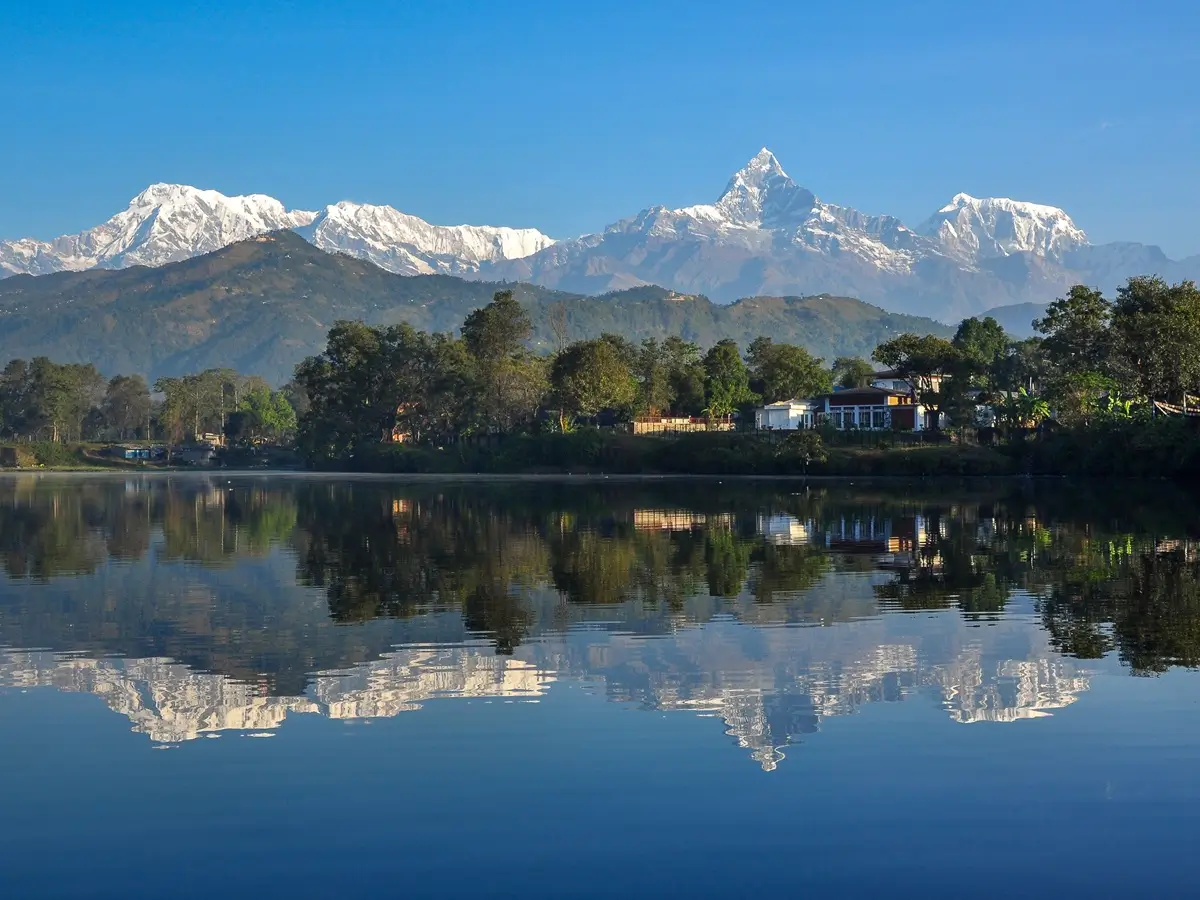
You will find satisfaction in closing your laptop at 6 PM in a Himalayan tea house. You have done your work. You have moved your body. You have eaten well, slept well, and woken up in one of the most beautiful places on earth. That is what it means to work remotely while trekking in Nepal.
It is not always easy. The Wi-Fi will let you down. Your legs will be tired. The altitude will humble you. But for digital nomads, Nepal offers something genuinely different: a workation in Nepal that brings productivity while you get to experience some of the greatest trekking adventures.
The best time is now. Choose a route, get your SIM card, pack light, and find out why so many remote workers are choosing to work and trek in Nepal rather than sit in the same office for another month.
Just tell us how many hours you need to work each day and whether you need to make video calls or only email access. Then, our team at Marvel Adventure will customize the trekking itinerary accordingly with realistic walking hours, best-connected overnight stops and proper acclimatization.
Frequently Asked Questions
Can I really work while trekking in Nepal?
Yes, but with proper planning. Teahouses offer internet facilities, allowing digital nomads to work between trekking hours.
Which treks are best suited for digital nomads?
Popular treks with frequent villages and comfortable lodges work best. Many remote workers choose the Annapurna Base Camp or Everest region routes because teahouses often have Wi-Fi.
Do I need to carry my own power source?
A good power bank or compact solar charger is always helpful for you, especially after long trekking days when everyone wants to plug in at the same time.
Can I access the internet at high altitude lodges?
Yes, but it’s rarely fast. Most trekkers use the connection for emails or messages while enjoying a slower pace in the mountains.
How do I balance work and trekking?
Keep your mornings for trekking, afternoons for focused work when you're settled in a lodge, and evenings for light emails or calls when signals improve. We should include rest/acclimatization days in between as well.
Is Nepal suitable for long-term remote work?
Yes, especially if you choose places like Kathmandu or Pokhara for your base. You can spend time working from lakeside cafes before trekking.
What should I pack as a digital nomad on a trek?
Keep your gear simple but reliable. Carry a lightweight laptop, power bank, universal adapter, and waterproof bag for electronics, along with trekking essentials like ankle-supporting boots and layered clothing.