Altitude - The Biggest Factor
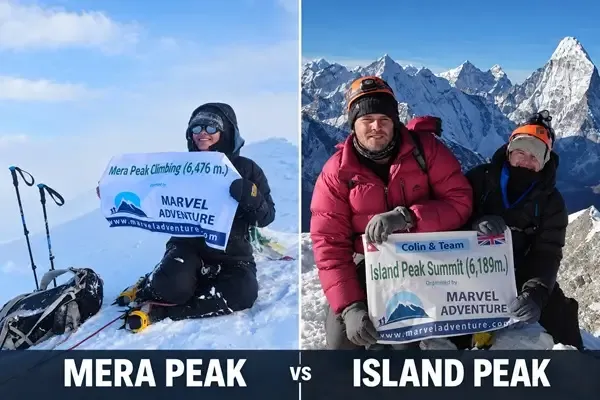
Altitude is the single biggest factor that quietly turns trekking in Nepal into a challenge. As altitude increases, the air gets thinner, and your body starts to work harder even if the trail looks easy.
Some trekkers tend to underestimate the effects of altitude. In reality, as altitude increases, less oxygen is available with each breath, making a moderate trek challenging. A common mistake that trekkers make is thinking fitness alone can overcome altitude. The truth is: it doesn’t.
Key Altitude Levels
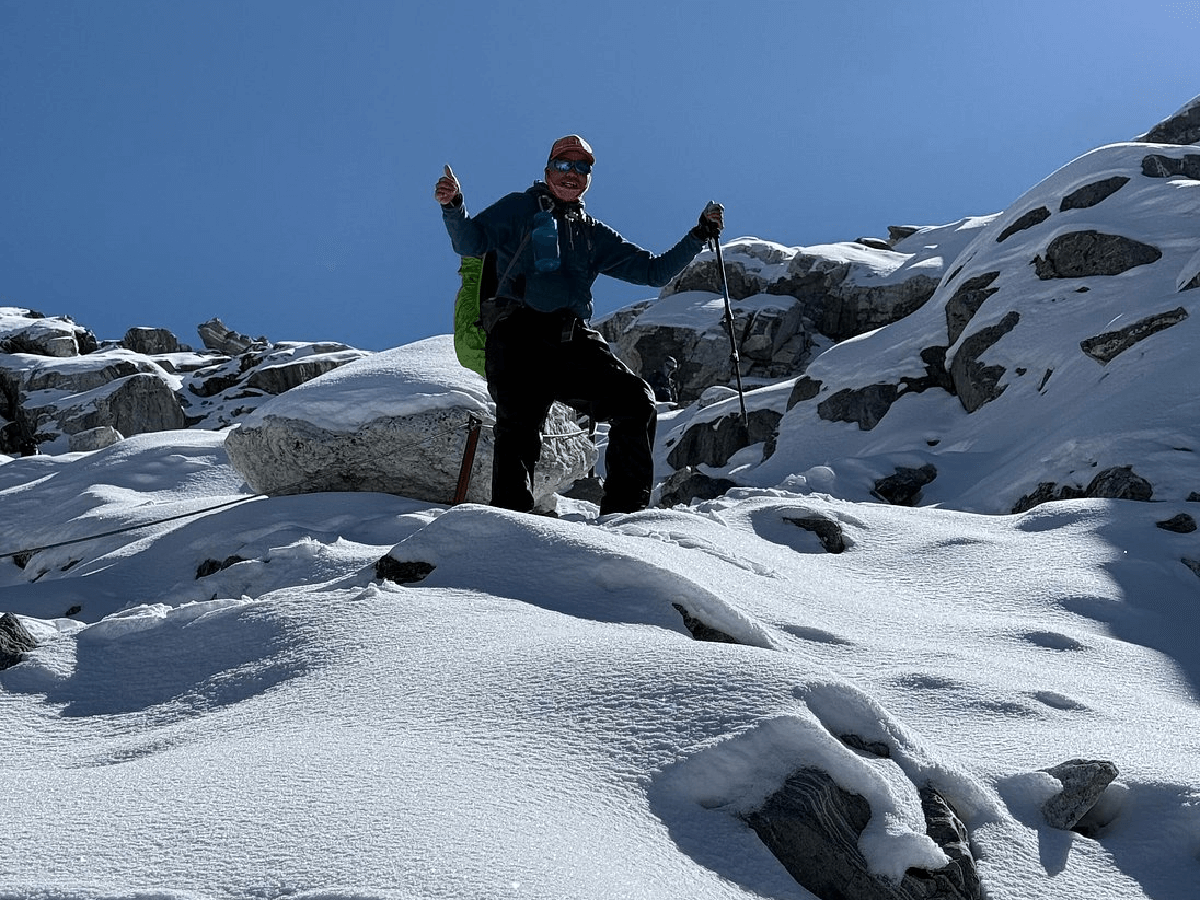
As you trek above 2,500 meters, some trekkers begin to notice the effect of altitude. The same uphill climb that you would find easy at sea level becomes slightly challenging at this altitude.
Above 4,000 meters, the trek becomes challenging. You might feel fatigue, your appetite drops, and your sleep quality deteriorates. Our team has observed trekkers experience the early warning signs of altitude sickness: headaches, dizziness, and nausea.
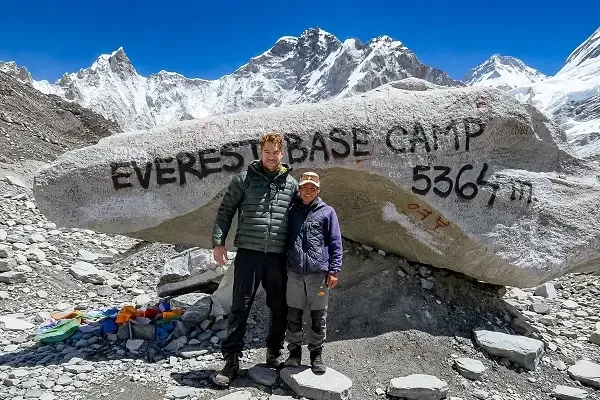
Any trek above 5,000 meters is considered a high-altitude trek in Nepal, such as Everest Base Camp. This is where things could get difficult as the oxygen level drops.
With years of experience, we can confidently say that altitude sickness doesn’t discriminate based on your fitness level. Sometimes, experienced trekkers struggle while a first-time trekker easily walks through the same trail.
Daily Walking Hours and Distance
A trekking distance of 12 kilometers can take four hours when you are walking on a forest trail. The same distance can take eight hours of trekking when you're on rocky, high-altitude terrain. The numbers you see on a map don't really make sense if you don't know what the trail looks like.
Average Trekking Time
Here is a better way to understand the average trekking time:
- 4-5 hours/day: Easy - Comfortable pace, good rest, and suitable for first-time trekkers
- 6-7 hours/day: Moderate - Manageable but tiring. You need to be in good shape for this.
- 8+ hours/day: Difficult - It's hard on your body as well as your mind, even for experienced trekkers
One common mistake most trekkers make is underestimating the downhill sections. Our guides often talk about trekkers struggling on the Himalayan stone staircases during their descent.
You should consider both the climb and the descent when assessing how hard the trek is.
Why Time Matters More Than Distance
Trekkers don’t realize that the trekking distance in Nepal can be very misleading. The distance of 10 kilometers on a road feels completely different from 10 kilometers on a trail in the Himalayas.
The steep climbs slow you down. You have to be careful on rocky paths, and this requires a lot of focus. You will need to take breaks and rest because it is not easy to keep walking.
From our experience of guiding trekkers in Nepal, we can say that the time you spend walking is more important than the actual distance you cover.
Elevation Gain
The elevation gain is where the trail truly starts to test you. A steady gain of 600 to 800 meters per day is considered moderate. Anything over 1,000 meters in one go, especially at high altitude, is quite difficult.
Based on the feedback from our clients, continuous climbing is what most trekkers find difficult. When you are going uphill continuously without many breaks, your legs get tired faster, and your breathing gets heavier. This turns a perfectly normal trekking day into a demanding one.
Famous Difficult Sections
When discussing trekking difficulty in Nepal, one of the biggest factors that makes a trek demanding is the presence of challenging sections on the trail.
You will be walking easily through the forest trail. But the next moment you could be standing in front of an endless stone staircase.
From our experience on various trekking routes across Nepal, we have pointed out some of the popular difficult sections in various trails.
Stair-Heavy Trails (Annapurna Region)
While trekking in the Annapurna Region over the years, we have found that most of our clients struggle on the long staircase near Ghorepani.
Dibash Mainali, one of our senior Annapurna guides with over 100 successful treks, says,
“I see some trekkers lose confidence here when they see endless stairs after every turn. But slowly and steadily, everyone eventually makes it.”
High-Altitude Rocky Paths (Everest Region)
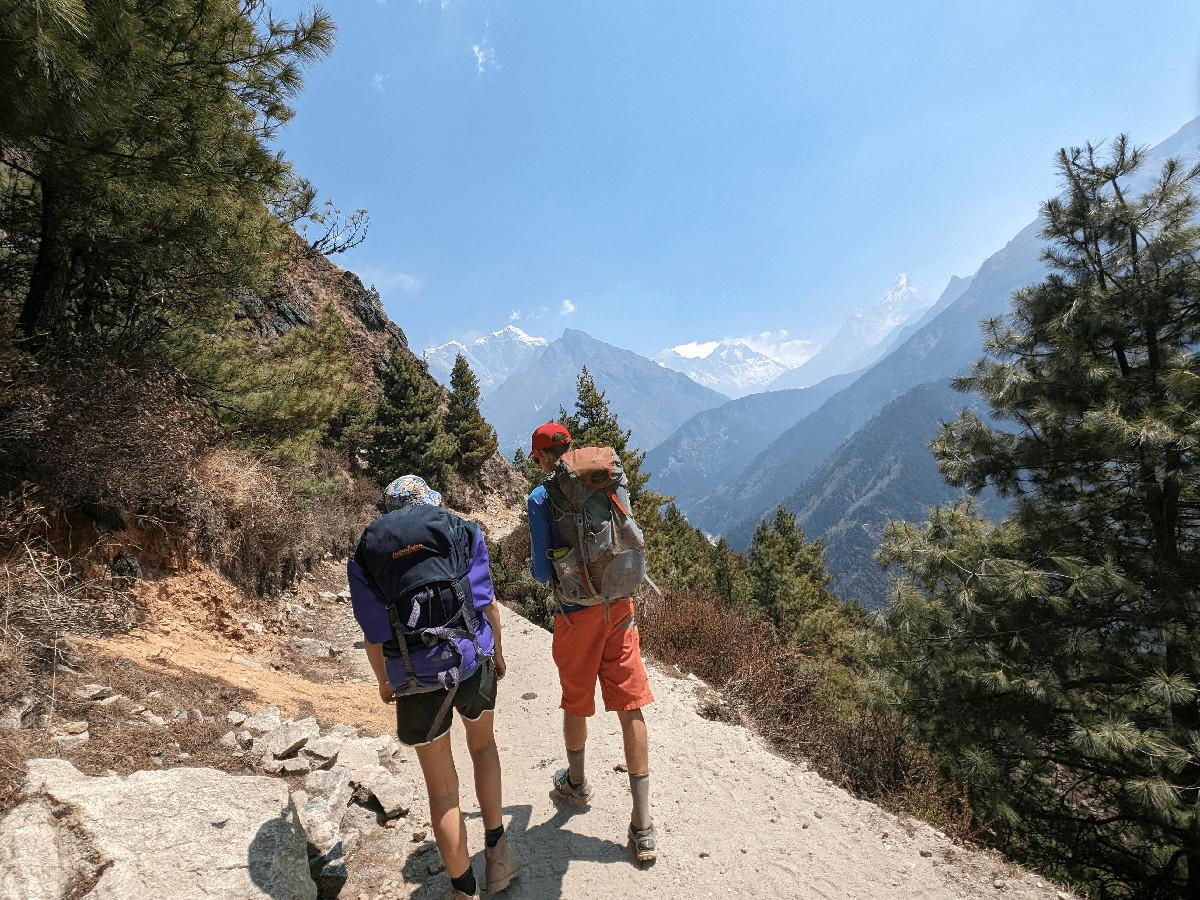
As you move forward from Namche, the Everest region trail is dominated by rocky, uneven terrain.
Your attention naturally shifts from the mountain views to the trail, as this section demands constant attention for loose rocks and steep drops.
Remote Narrow Trails (Manaslu Circuit)
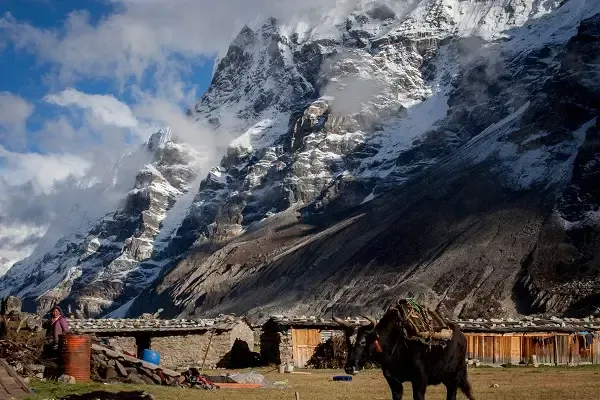
The remote Manaslu Circuit trek takes you to Larkya La Pass (5,106m), making it a challenging trek in Nepal.
Here, the trails are quite narrow, and the climbs are serious. As the trekkers approach the pass, even steady steps feel exhausting.
Exposed Ridge Walks (Upper Mustang and Dolpa)
Sometimes, we see trekkers underestimating areas like Upper Mustang and Dolpa. They assume walking on an easier, flat trail until they are blasted by the wind here.
You will be trekking through the open ridges with strong wind exposure. You might realize it later, but this exposure can quickly drain your energy over time.
Trail Conditions
Trail condition is one of the underrated factors that can define the difficulty of your Nepal trekking experience. While comparing easy vs difficult treks in Nepal, you could find two different treks with similar distances and altitudes. What makes a difference here is the trail condition that you will be walking on.
Types of Trails
Here are the common types of trails you will find while trekking through the Himalayas:
Stone steps
You will find stone step sections quite common in the popular trekking routes of Nepal. The trails with these steps are quite reliable, but they will definitely test your knees.
Forest Paths
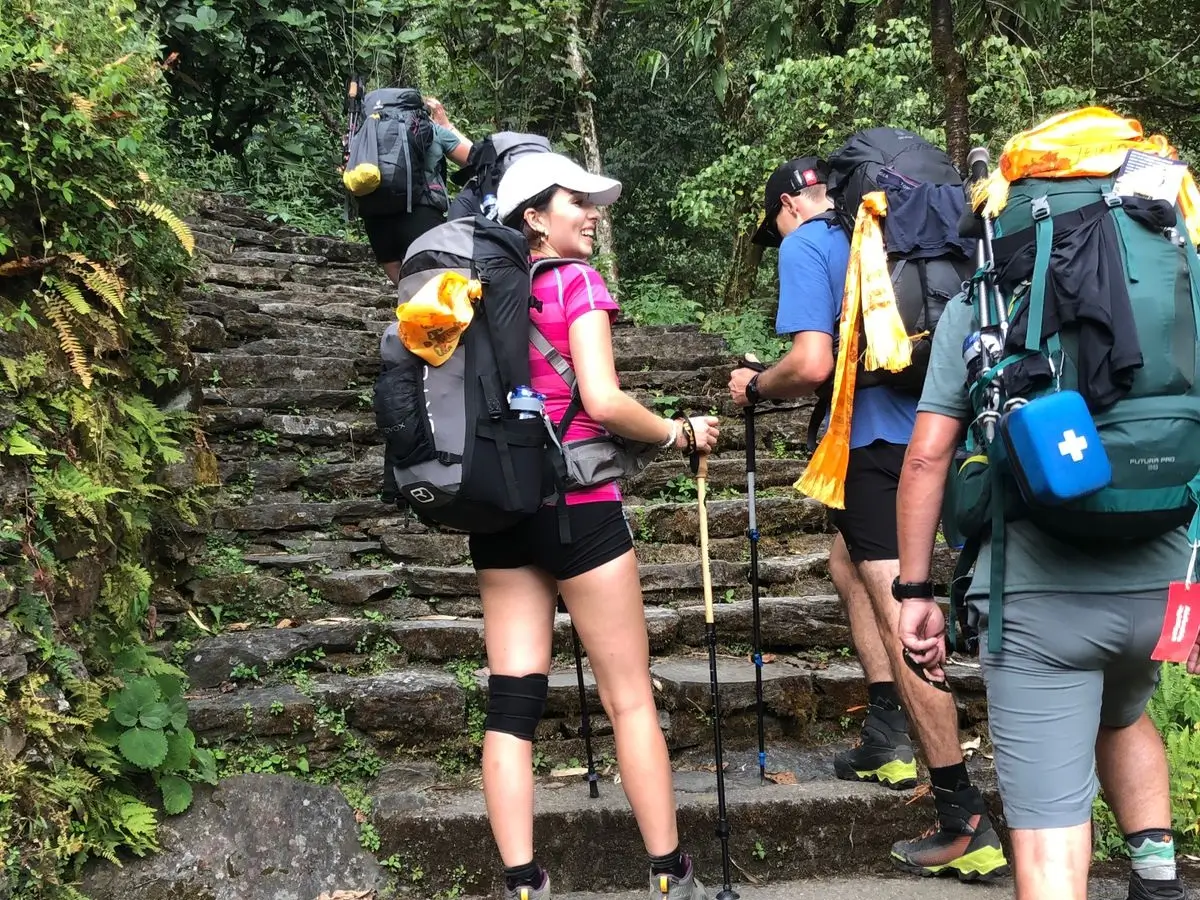
The forest paths are often found at lower elevations below 3,000 meters during your trek. These are the sections that people find most comfortable to trek on. We often see our group walking in a rhythm on these forest trails.
Rocky Terrain
You will notice frequent rocky terrain at higher altitudes. The rocky, high-alpine terrain above 4,500 meters requires constant attention. Many trekkers don’t realize how mentally tiring it can be when you have been continuously focusing on your foot placement for the last hour.
Remote vs Popular Treks
Some of the hardest treks in Nepal are due to their remoteness. When a trek is popular, it has better facilities and is easier to navigate, whereas remote treks are naturally harder because the trekking infrastructure is underdeveloped.
The popular treks like EBC and ABC have well-marked trails and regular teahouses along the trail. Looking from a psychological perspective, things do get easier when you know there are frequent stops and clear paths ahead.
In remote treks like Kanchenjunga, Tsum Valley, and Upper Dolpo, you will find less-maintained trails with multiple narrow and exposed sections. One thing trekkers need to understand is that the isolation in these remote treks could add a lot more to the difficulty.
Weather and Season
You prepare for months, training to trek in Nepal. Finally, you arrive here and set foot on the trail, but the sky turns cloudy. You can’t even get a glimpse of the peaks that you prepared to see for months.
You start your trek, and the cold already feels unbearable before even heading to a higher altitude. This is when you realize you had planned everything perfectly except for choosing the right trekking season.
Best Seasons
The best time to visit Nepal for trekking is:
Spring (March - May)
Spring trekking is when the trails feel alive. You will find blooming Rhododendrons throughout the forest, and the temperature feels comfortable for walking. Here is why spring is the best time to trek in Nepal:
- Clear mountain views
- Stable weather
- Moderate temperatures
Autumn (September - November)
The autumn season is widely considered to be perfect for trekking in Nepal. Autumn trekking in Nepal offers:
- Crystal clear skies after the monsoon
- Dry and stable trails
- Perfect visibility of the mountains
Challenging Seasons
While it's still possible to trek, these seasons are considered to be challenging:
Winter (December - February)
The winter season turns the mountain region quiet but makes it much harsher to trek through. During winter trekking, you will witness:
- Freezing temperatures, especially above 4,000 meters
- Snow-covered and sometimes blocked trails
- Limited access to higher passes
Monsoon (June - August)
Trekking in the monsoon season comes with limited mountain views. Only a few experienced trekkers do it for adventure.
- Heavy rain makes the paths slippery
- Leeches in forest areas
- Real risk of landslides blocking your path
Accommodation and Comfort Level
In simple words, what you eat and how you sleep define how comfortable you feel on the trail. From guiding different routes, we often notice how the teahouse vs camping trek setup can turn the same level of trail into a very different experience.
Tea House Treks
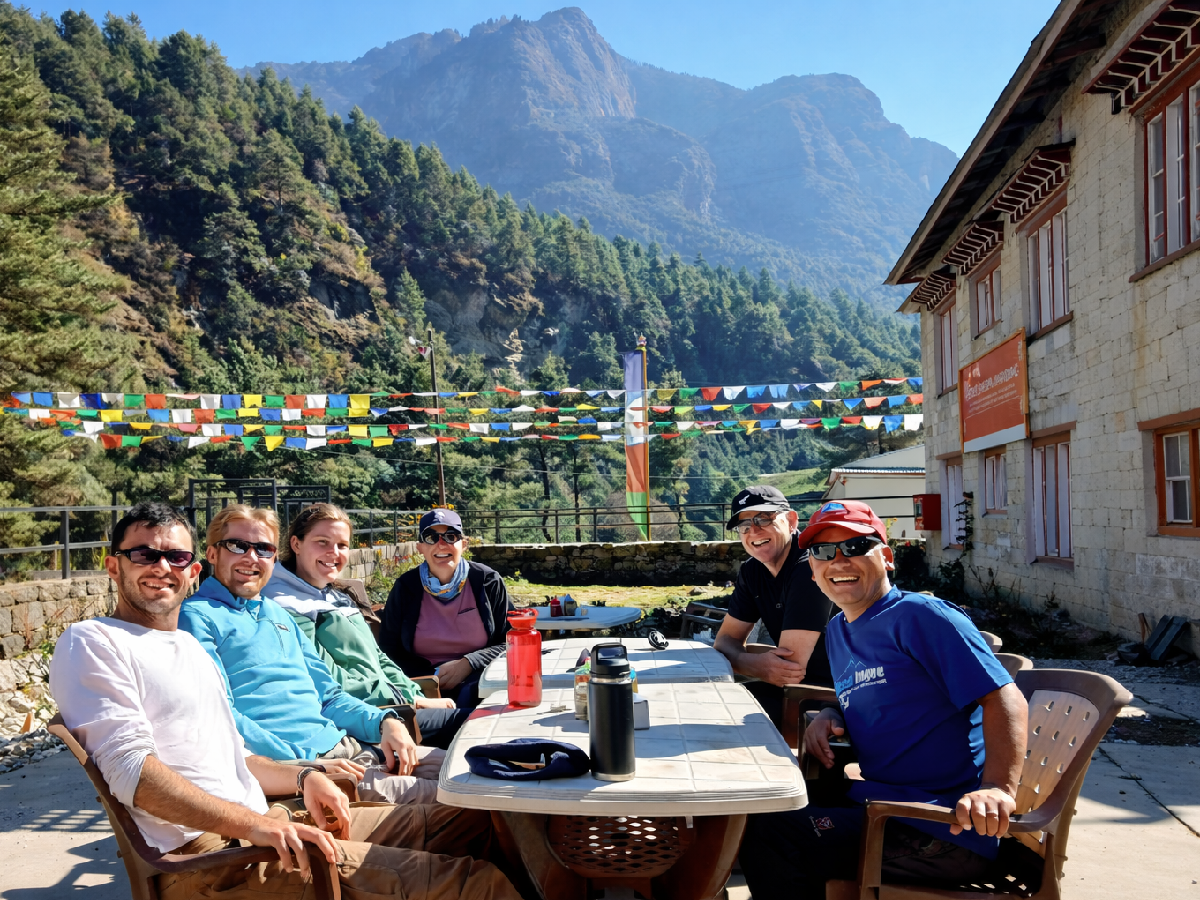
Teahouse treks, such as Everest Base Camp or Ghorepani Poon Hill, are really nice. They offer food, a place to sleep, and some warmth after a long day of walking.
You get to eat dal bhat, socialize in the dining room, dry your clothes and feel fresh again.
Camping Treks
Camping treks are common in places like Dolpa, Dhaulagiri, Jugal, and more. Here you will be carrying your shelter and sleeping in tents at high altitude.
Camping adds slight difficulty because the comfort here is far less than that of a heated lodge. There won’t be a dining room, there will be cold mornings and you’ll have to sleep in tents.
Having said that, if you are looking for a more immersive and adventurous trek, then we would definitely suggest camping treks.
Yes, the camping treks require more effort, but they deeply connect you with nature.
Your Fitness Level
Here is the truth about trekking fitness in Nepal: Being fit doesn’t automatically make a trek easy, and being average doesn’t mean you will struggle. It’s all about consistency and endurance when you are actually on the trek.
Physical Fitness
We have seen people who told us they were in the gym regularly. However, they still struggled because they weren’t used to walking for a long time. Here is what you should focus on when getting ready for a trek:
- Go on walks or hikes with a backpack
- Climb stairs to build your leg endurance
- Train cardio with activities like running and cycling
Mental Strength
There will be moments on the trek when your legs begin to give up, and the trail feels endless. This is where your mindset comes in.
Many first-time trekkers come prepared physically, but lack the mental strength to adapt according to the situation.
A few years back, we guided one of our older clients in her early 70s through the Langtang Trek. She wasn’t the fittest in the group, but she completed her trek comfortably because she was consistent and stayed mentally strong.
Itinerary and Acclimatization
When planning a trip, Marvel Adventure always prioritizes an itinerary that includes proper acclimatization days to ensure a comfortable journey for our clients. Building buffer days in your schedule is more like a strategy to enhance your Nepal trekking experience.
Proper Acclimatization
Skipping acclimatization means simply increasing the risk of altitude sickness.
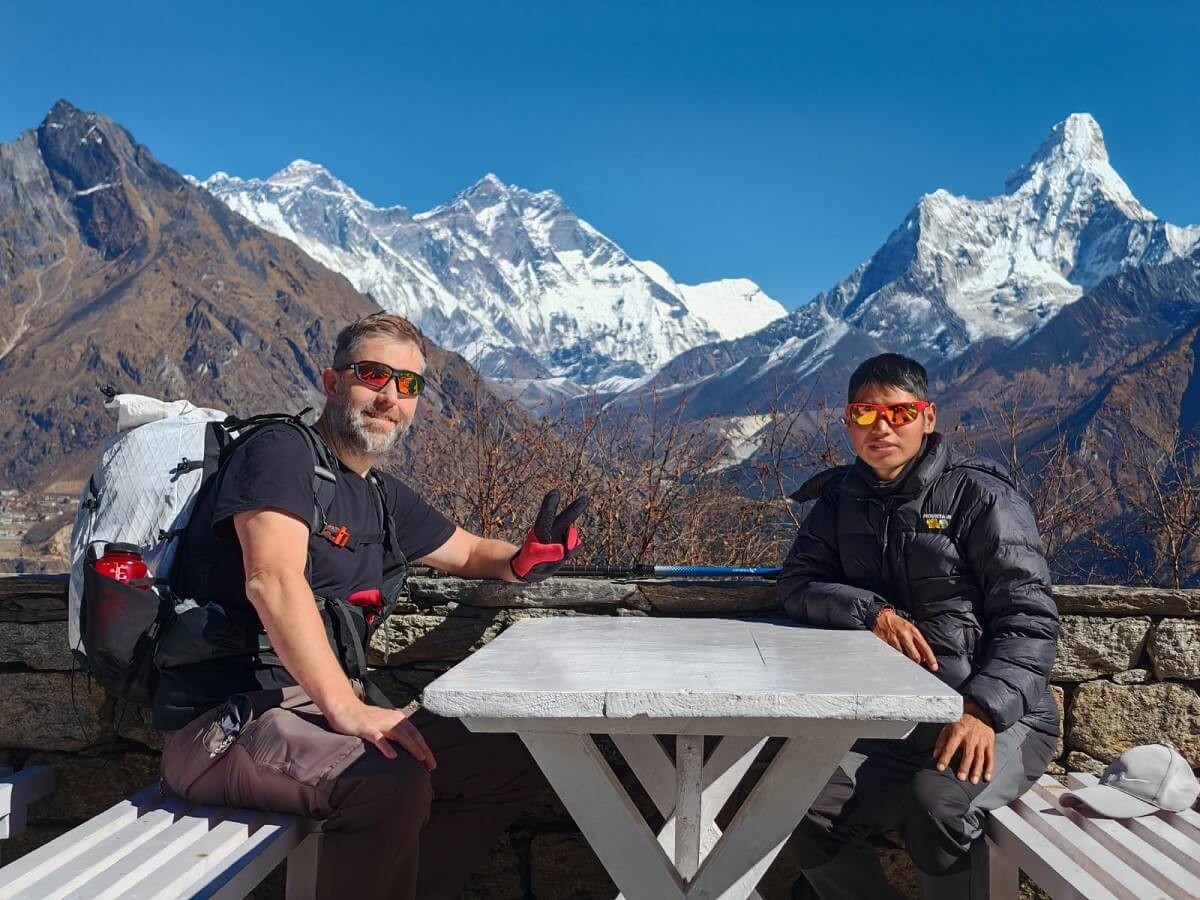
Dhana Tamang, our guide in the Everest region, shares the golden rule for acclimatization:
“Above 3,000m, don’t gain more than 300 - 500m of sleeping elevation. Always have rest days and always listen to your body first.”
Poor Planning Risks
Poor planning is one of the major reasons behind most unsuccessful treks in the Himalayas. First-time trekkers often underestimate the importance of recovery time at altitude. When you lack proper rest, it simply affects your performance the next day and the day after that.
When you are rushing through a trek, you invite the risk of altitude sickness. And without proper planning, it can quickly escalate from basic symptoms to life-threatening situations.
Easy vs Moderate vs Difficult Treks in Nepal
You might have noticed the easy, moderate, and difficult labels in many of the trekking packages all over the internet. But what do they actually mean?
To understand the easy vs difficult treks in Nepal, you need to look at the bigger picture that is more than just altitude and distance. Therefore, treks are usually grouped into these categories to help you understand what to expect on the trail.
Easy Treks
When we talk about easy treks in Nepal, it doesn’t mean effortless. You will feel the climb, and there will be a few difficult sections, but you won’t have to go through the difficulty that comes with higher altitudes and demanding routes.
Explore our beginner-friendly treks:
Ghorepani Poon Hill Trek
Many first-time trekkers are confused about which trek to choose. Our answer is the Ghorepani Poon Hill Trek. This route is close to Pokhara and takes you to an altitude of 3,210 meters, making it a perfect destination for your first trekking experience.
Get a close view of the Annapurna Range with a beautiful sunrise as you stand on the Poon Hill viewpoint.
Iconic Sunrise Trek
Price from
Langtang Valley Trek
Closer to Kathmandu, people find the Langtang Valley Trek to be a perfect destination for their adventure. In this trek, you will be heading towards a valley that opens gradually. Thus, the journey to Langtang gives your body time to adjust and makes your trek comfortable.
If you are someone seeking cultural immersion without any extreme difficulty, this might be the one for you.
Moderate Treks
As we head higher into the Himalayas, the experience starts to get real. The days get longer when you are trekking. The altitude of the trek starts to affect your pace. And the trail demands a bit more from your body and mind when you are doing moderate treks in Nepal.
Annapurna Circuit Trek
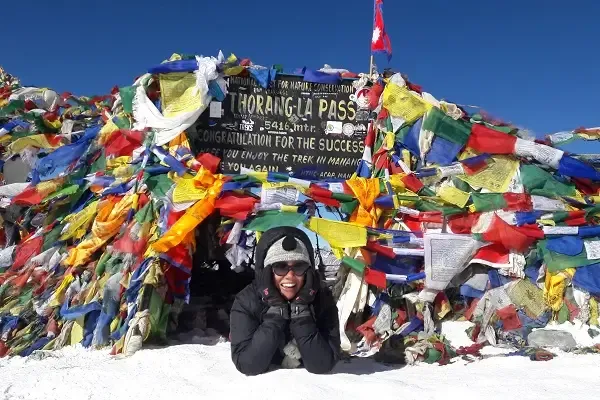
The classic Annapurna Trek takes you on a journey through different types of landscapes. Our clients usually find the Thorong La Pass to be the hardest part of this trek. You need to have good fitness and get used to the altitude in the Annapurna Circuit.
From our vast experience, we can assure that if you plan your journey properly, the Thorong La Pass trek could be a memory of a lifetime.
Classic Circuit
Price from
Everest Base Camp Trek
Perhaps the most popular trek in Nepal. The Everest Base Camp trek is considered a moderate challenge. The elevation gain and thin air above 4,000m make this trek demanding.
The route here is also long. But the teahouse infrastructure is good. So, with a good plan and fitness, if you are determined enough, you can complete this classic trek.
Bucket List Trek
Price from
Difficult Treks
Now, this is where the mountains truly test you. The days get longer. The route becomes remote, and you will be heading into altitude above 5,000 meters for multiple days. This is not a simple walk in the mountains of Nepal. The whole trekking experience in Nepal will push you to your limits.
Looking for a real Himalayan challenge? Here are a few treks that provide the ultimate trekking experience.
Everest Three High Passes Trek
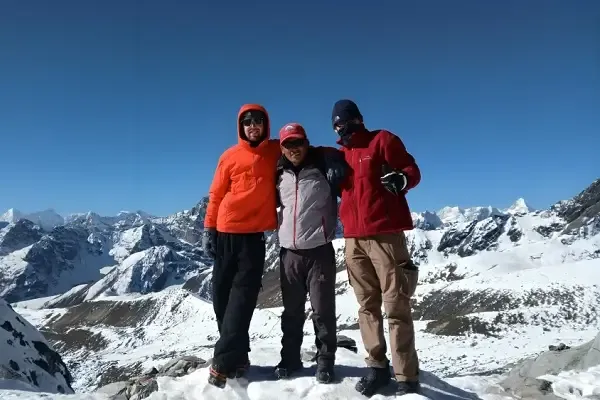
Everest Three High Passes Trek is considered to be one of the hardest treks in Nepal. This trek has three passes above 5,300m and takes you to a maximum altitude of 5,545 meters. The terrain here could be tricky. You will be exposed to high altitudes.
We do not recommend this for people who are new to trekking. Keep in mind, you must prepare yourself physically and mentally for months before this trek.
Complete Everest Experience
Price from
Kanchenjunga Circuit Trek
Remote, demanding, and rarely done. Kanchenjunga Circuit consists of every factor that makes it one of the most extraordinary experiences in Nepal. This trek is hard because of the location and high altitude.
It is definitely one of the challenging treks in Nepal. A trek that demands experience and a trusted guide.
True Wilderness
Price from
How To Choose The Right Trek For You
Travelers who plan to trek in Nepal often seek the answer to “Which trek is the best?” Actually, the question you need to ask is “Which trek is best for me?”
Ask Yourself
Before you choose a trek, take a step back and think about what you can handle. This is where your experience can completely differ. Ask yourself these questions:
- How much trekking experience do you have?
- How fit are you right now?
- How much time do you have?
- What kind of experience are you looking for?
- How comfortable are you with discomfort?
Taking a few minutes to answer these questions will help you choose the best trek in Nepal that actually fits you, rather than something that looks good on social media reels.
Match Trek to Your Fitness Level
Once you understand your fitness level, it's time to choose a trek that matches it. It is common for trekkers to make this mistake. You must avoid choosing something that doesn’t align with your fitness level. So, here is a simple guide:
If you are new to trekking, you are probably unsure about how your body will respond during these treks. Our suggestion is to start with easy treks in Nepal. Choosing an easier route will help you build your confidence and make your overall trekking experience far more enjoyable.
If you have some experience and decent fitness, we recommend that you go for the moderate treks. From the feedback of our clients, moderate treks are where they find a perfect balance between adventure and comfort.
Now, if you have previous high-altitude trekking experience, then you should consider more challenging routes. When you are planning a difficult trek, be aware of the physically demanding routes, longer walking hours, and discomfort.
A very common mistake trekkers make is choosing the trek based on popularity instead of a trek that matches their experience and fitness.
Tips To Make Any Trek Easier
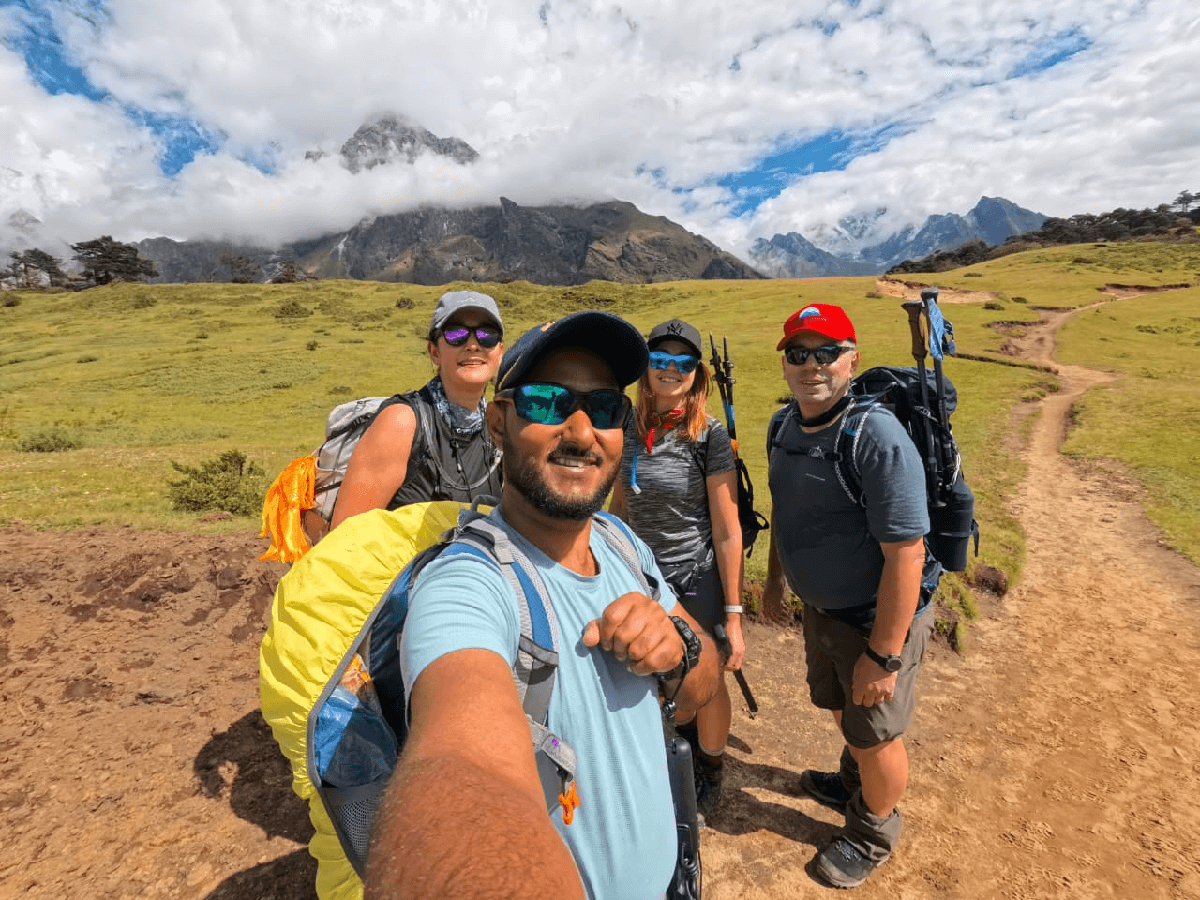
You will realize how small decisions made before and during the trek can make a big difference. We have been guiding trekkers through the Himalayas for more than a decade. These small factors play a huge role in defining your trekking experience.
- Openly communicate with your guide. Trekkers don’t realize how easy their trek feels once they are open with the guides.
- While training for the trek, focus on stair climbing and hiking with a backpack.
- Strictly follow the acclimatization schedule. Proper acclimatization alone can make a big difference.
- Stay hydrated through the trek, as dehydration increases the risk of altitude sickness
- Use trekking poles. This reduces the strain on your knees, especially when you are descending
- Sleep is the major factor for your recovery in the mountains. So, always prioritize it even when the teahouse is basic.
- Pack only what's required. Even an extra kilogram costs you energy at a higher altitude
- Always listen to your body first. No summit is worth your health.
Common Mistakes That Make Treks Harder
Mountains alone aren’t the hardest part of treks. Without even realizing it, you might be making small mistakes that later on add up to make your trek harder.
It doesn’t matter if you are an experienced trekker. Ignore the basics of trekking, and you will end up struggling throughout the journey.
We have pointed out some common mistakes we noticed that make your trek harder.
- Trekkers often try to choose a trek that they saw on an Instagram reel, instead of a trek that matches their level
- Few tend to ignore the symptoms of altitude sickness and try to push forward, especially when they are closer to the summit
- People often carry more than they require, creating a burden for themselves
- We’ve noticed many trekkers underestimate the season. A moderate trek in October could turn into an extreme trek in January
- Some trekkers pick a too-short itinerary to save money, but end up spending more in an emergency descent
Our Final Say
The thing about easy vs difficult treks in Nepal is that these labels don’t give the full answer.
Ignore the altitude, and your ‘easy’ trek can end up being brutal. Prepare properly, and you could easily manage a ‘difficult’ trek. What matters the most is understanding your limits, planning wisely and respecting the mountains.
At Marvel Adventure, we believe every trekker deserves the best trek in Nepal, matched to their ability.
Not sure which trek matches your fitness level, timeframe and overall experience? Feel free to contact our team at Marvel Adventure and we’ll guide you step by step and help you choose the right trek.
FAQs
What makes a trek easy or difficult in Nepal?
It is not one thing that makes a trek easy or difficult. Altitude is a major factor, followed by walking hours, elevation gain, weather and trail conditions.
Which treks are considered the easiest for beginners?
For beginners, we recommend the Ghorepani Poon Hill and Langtang Valley trek. These treks have shorter walking hours and manageable altitudes, along with good accommodations throughout the trek
What are the most challenging treks in Nepal?
Remote and high-altitude treks such as the Kanchenjunga Circuit and the Everest Three High Passes trek are considered to be some of the most challenging treks in Nepal. They include remote sections and an altitude above 5,000m.
Is Annapurna Base Camp suitable for beginners?
Yes, ABC Trek is suitable for beginners with a decent level of fitness. It is best advised to have good preparation, a gradual itinerary with acclimatization and guidance from a professional guide.
How does altitude affect trek difficulty in Nepal?
Once you head above 3,000 meters, your body starts working harder for the same effort. Even highly experienced trekkers struggle due to the thin air.
How much does fitness affect trekking difficulty?
Fitness definitely helps a lot, but it’s not everything. Even athletic trekkers can struggle at altitude, and older people can do well in the same trek.
Can proper acclimatization make a difficult trek easier?
Yes. In fact, it's the most important factor that can make your trekking experience better. If your itinerary is well planned with proper acclimatization days, it can turn a difficult trek into a manageable one.
How do trail conditions impact the difficulty of a trek?
Stone steps, loose rocks, narrow paths, or even muddy trails during the monsoon can make a big difference. Our team has observed trekkers feeling more tired from focusing on their footing all day than from the actual distance.
Is hiring a guide or porter worth it for trekking in Nepal?
Yes. A guide helps with navigation, pacing, and safety, while a porter takes the load off your back so you can enjoy the trek more. Our clients often tell us their experience felt much easier and more relaxed because they had proper support on the trail.