Where Is the Thukla Climb on the Everest Base Camp Trek?
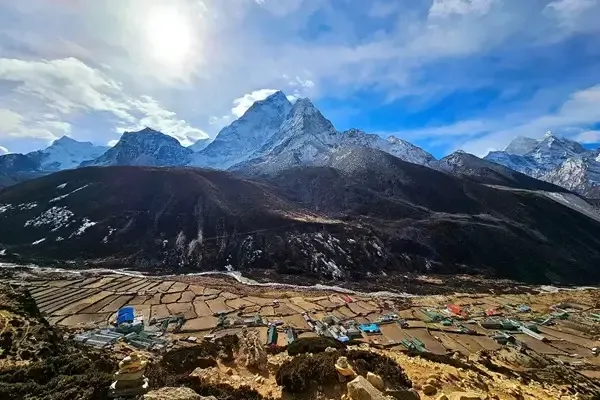
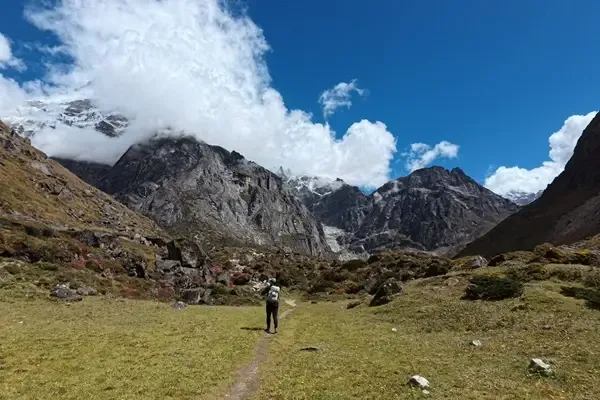
Thukla climb falls on the Dingboche to Lobuche trek day. You leave Dingboche, follow the trail toward Thukla, and keep going from there toward Lobuche.
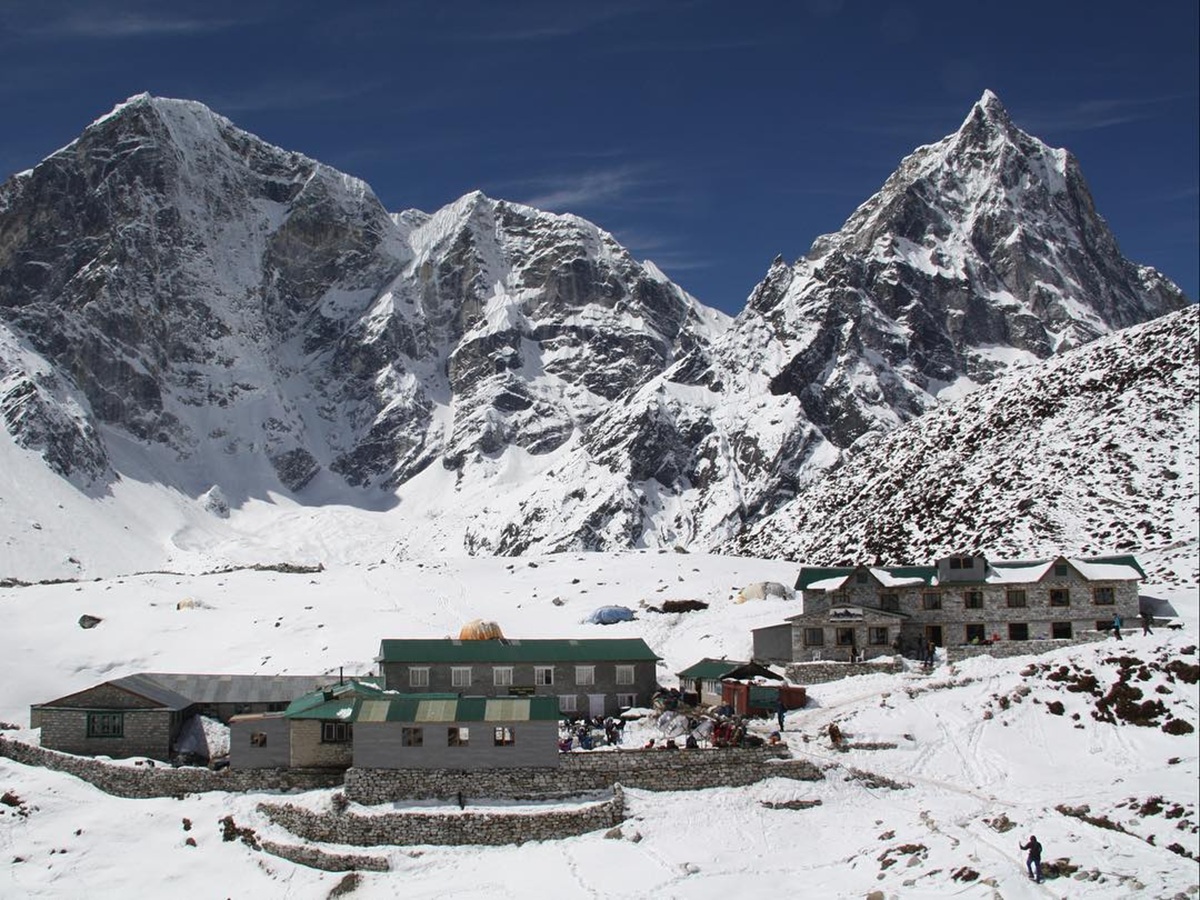
Thukla itself isn't the climb. It's just some teahouses sitting at the base. The climb hasn't started yet. It starts once you leave those teahouses behind.
People get this mixed up constantly. You'll hear the "Thukla Pass climb" like the whole area is one thing. But when trekkers actually complain about Thukla, they're not talking about the teahouses. They're talking about what comes right after: the uphill grind toward the ridge above.
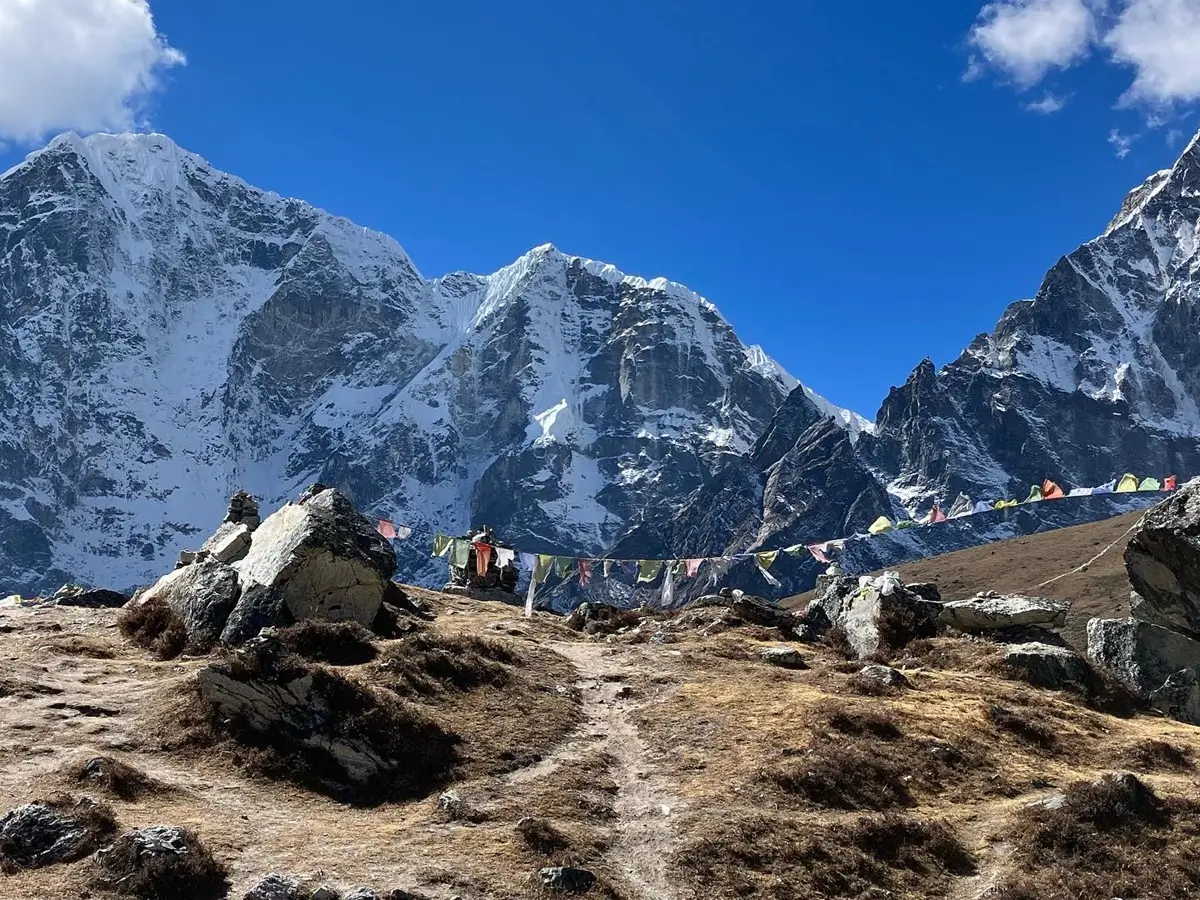
At the top, the trail eases out near the Everest Climbers Memorial. From there, the rest of the way to Lobuche is far gentler than what got you there.
So if you're trying to map it in your head: Dingboche, then Thukla for a breather, then the climb, then the memorial ridge, finally a calmer walk into Lobuche.
What Is the Thukla Climb Actually Like?
From below, it just looks like a rough, rocky slope. But up close, it's a string of tight switchbacks cut into loose dirt and rocks. Loose ground can shift slightly under your boots, so your footing needs more attention than it did on the easier sections below. In winter, ice may remain in the corners the sun never reaches, so your footing keeps changing from one bend to the next.
There's very little shade or shelter here. Therefore, the wind hits harder as you gain height, especially near the exposed top. On a clear morning, the climb feels almost easy. On a windy afternoon, it feels like a different trail entirely.
Traffic is another factor many trekkers don't expect. This is a bottleneck point, so you are likely to share the trail with other groups, porters, and even yaks sometimes.
Our guides commonly notice trekkers pausing more often on this stretch than on similar routes earlier in the trek. This is not because the trail is objectively harder, but because everything else happening in the body at this point makes any incline feel more significant.
How Long Does the Thukla Climb Take?
Most people are up in 45 minutes to one hour, though that number moves around a lot. Your pace, how well you've acclimatized, and even the weather that morning play a huge part.
What actually matters isn't how fast you walk. It's how you break it up. A slow and steady pace with short breaks is more relaxing than starting quickly and needing a long recovery stop later.
The fast pushers just end up needing one long, gasping recovery break instead of several short ones. So don't focus on a number someone gave you back in Dingboche. It's simply a guess, not a finish line.
Is the Thukla Climb Technically Difficult?
No, the Thukla climb is not technically difficult. There's no rope work, no crampons, and nothing that requires a climbing background. This is walking, not climbing.
What makes it hard is simpler than that. You're going uphill over loose, uneven ground and you breathe faster and harder because your body receives less oxygen with each breath at this altitude. That's it.
The people who struggle aren't lacking skill. They're just moving faster than their breathing can keep up with. Slow down, and the climb sorts itself out.
Why Does the Thukla Climb Feel So Exhausting?
This is where the Thukla climb becomes interesting. If you measure the climb only by its length, you might wonder why so many trekkers remember it as a tiring section. The answer is that several small factors combine to make this short ascent unusually tiring.
You are high above sea level. The steeper part comes after hours of walking. The ground is not always smooth, and the weather can be harsh. None of these factors alone explains everything. Together, they do.
You Are Already Above 4,600 Meters
Thukla sits at approximately 4,620 meters. Up here, lower atmospheric pressure means your body receives less oxygen with each breath, and you notice the effects immediately.
A pace that felt easy back in Namche, even in Dingboche, suddenly feels like you're rushing. Your heart rate goes up faster, and you will find yourself breathing harder sooner than expected.
Your fitness still counts. Strong legs and solid lungs make trekking easier in general. But none of that cancels out what altitude does to you, as being in good shape is no guarantee against altitude sickness. That's a different problem entirely, one that only time and acclimatization can fix.
The Steepest Section Arrives Suddenly
The transition after Thukla can catch people off guard. You have just had a chance to sit down, drink something, and perhaps eat lunch. The trail before the settlement may have felt manageable. Then you start climbing again, and the gradient changes.
The slope gradually demands more from your legs with every section. Your steps become shorter. You pause and start again. Then you pause again. This rhythm is pretty common.
One mistake trekkers often make is trying to climb the first part at the pace you used before reaching Thukla. A slower rhythm from the beginning can make the entire section feel much more controlled.
Fatigue Has Already Accumulated
By the time you reach Thukla, you're not starting fresh. You've usually been walking for a few hours that morning, and behind that lie several previous days of trekking. Your legs have been working continuously for the better part of a week, and your body is quietly adapting to increasing altitude, which itself takes energy.
None of this shows up as a single obvious symptom. It shows up as general tiredness that makes a short, steep section feel harder. A common mistake people make here is judging the climb by comparing it to earlier climbs and assuming it should feel similar.
Loose Moraine Makes Every Step Less Efficient
Stretches of this trail are loose rock and old moraine, with nothing solid to trust with every step. So instead of just walking, your feet are constantly shifting weight, catching balance, and adjusting. These things don’t seem to be a problem until they start to add up.
You'll notice your steps getting shorter. Your eyes drop to the ground more than the view. Your legs are adjusting for every loose rock, every uneven patch, step after step. That's why a trail can wear you out even when the slope isn't doing anything dramatic.
Wind and Cold Can Increase the Difficulty
The weather around Thukla can also change how the climb feels. The trail has limited shade and shelter. The exposed sections can become uncomfortable when the wind increases. Cold air itself does not make the trail harder, but it can make the experience less comfortable, particularly when you stop frequently.
Consider this a simple trade-off in the mountains. You need breaks because your breathing and legs require them. But standing still in strong wind can make you cold quickly. This is when the layers are useful. You can adjust what you are wearing rather than committing to either being too warm or too cold for the entire climb.
Is the Thukla Climb the Hardest Part of the EBC Trek?
Many trekkers describe Thukla as one of the toughest short stretches of the trek, but calling it the single hardest section for everyone isn't accurate. Difficulty here tends to be personal. It comes down to your legs, your acclimatization, and honestly, whether that particular section landed on a good day or a bad one.
The early climb from Phakding to Namche involves serious elevation gain too, but it happens on day two, while trekkers are fresh and at much lower altitude. The Dingboche acclimatization hike, often up toward Nangkartshang, also involves meaningful elevation gain, but you're walking up and coming right back down to the same teahouse, no pack, no onward push to a new village. Different kind of effort altogether.
Then comes Lobuche to Base Camp and Gorakshep. Nothing about that stretch looks dramatic on a map. But altitude is biting harder by then, and the long journey wears people down.
Many trekkers find the Kala Patthar ascent more demanding. Starting in the dark, cold, gasping up a slope, all at the highest point of the trip.
So where does that leave Thukla? For a lot of people, it's the section that sticks in memory hardest because it hits after hours of walking, at an altitude where every step already costs more than it should.
How Can You Make Thukla Climb More Manageable?
The good news is that you can control several things about the way you approach the climb.
Walk More Slowly Than You Think You Need To
The most common piece of advice our guides give on this section is to slow down before you're tired. Once you're breathing hard and your legs are burning, you're already behind. A slower, steadier pace from the start tends to get people up with less overall struggle than a faster pace that forces long recovery stops.
Don't chase anyone else's pace. When you take short steps, your legs hold up longer on loose ground. And if you need a breather, take it early. A few seconds now beats gasping for air later with nowhere to sit.
Eat and Hydrate at Thukla
Our itinerary generally includes a stop at Thukla, as this is your last real chance to refuel before things get steep.
Have a light meal or energy-rich snack at Thukla and keep yourself hydrated throughout the day rather than downing a bottle in one go. Just make sure you're not starting the climb running on empty.
Don't jump straight from your plate to the trail either. Give your body a few minutes to settle before you're back on your feet and climbing.
Use Trekking Poles and Dress in Layers
Trekking poles can be really useful on loose rocks and uneven ground. They give you extra points of contact and a rhythm you can actually settle into.
Similarly, the layers matter just as much. One minute you're on a sheltered switchback, the next you're standing on an exposed ridge getting hit with the wind. A single heavy jacket can't handle both. A few thinner layers you can add or take off as you go will help you far better.
Acclimatize Properly in Dingboche
Acclimatization probably is one of the major factors that shapes how the Thukla climb feels. The rest day in Dingboche exists for exactly this reason. It gives your body extra time to catch up before you push on toward Lobuche and beyond.
This is also where fitness and altitude adjustment need to be pulled apart, because they're not the same thing. You can be in great shape and still struggle here if your body hasn't caught up with the thinner air.
Stick to the itinerary our team has built for you, pay attention to what your body's telling you, and don't go quiet if something feels off; tell your guide.
When Should You Be Concerned About Exhaustion?
Some physical reactions during the Thukla climb are just the climb doing its job. Heavy breathing on the steep bits. Legs that feel heavier than they should. Stopping more than you planned to. Your heart thumping harder on the switchbacks, your pace dropping off from what it was a few days ago.
You need to be concerned when something feels off in a way that doesn't match ordinary effort, or keeps getting worse instead of settling down.
Usually associated with exertion:
- Heavy breathing that improves after stopping
- Tired legs
- Slower walking pace
- Increased heart rate during steep climbing
Warning signs requiring immediate attention:
- Persistent or worsening headache
- Nausea or vomiting
- Dizziness
- Confusion
- Loss of balance or coordination
- Unusual weakness
- Breathlessness at rest
- Symptoms that worsen despite resting
We always suggest that trekkers speak up before it turns into something harder to manage, and trust your highly experienced professional guide to make the right call.
What to Expect at the Thukla Memorials?
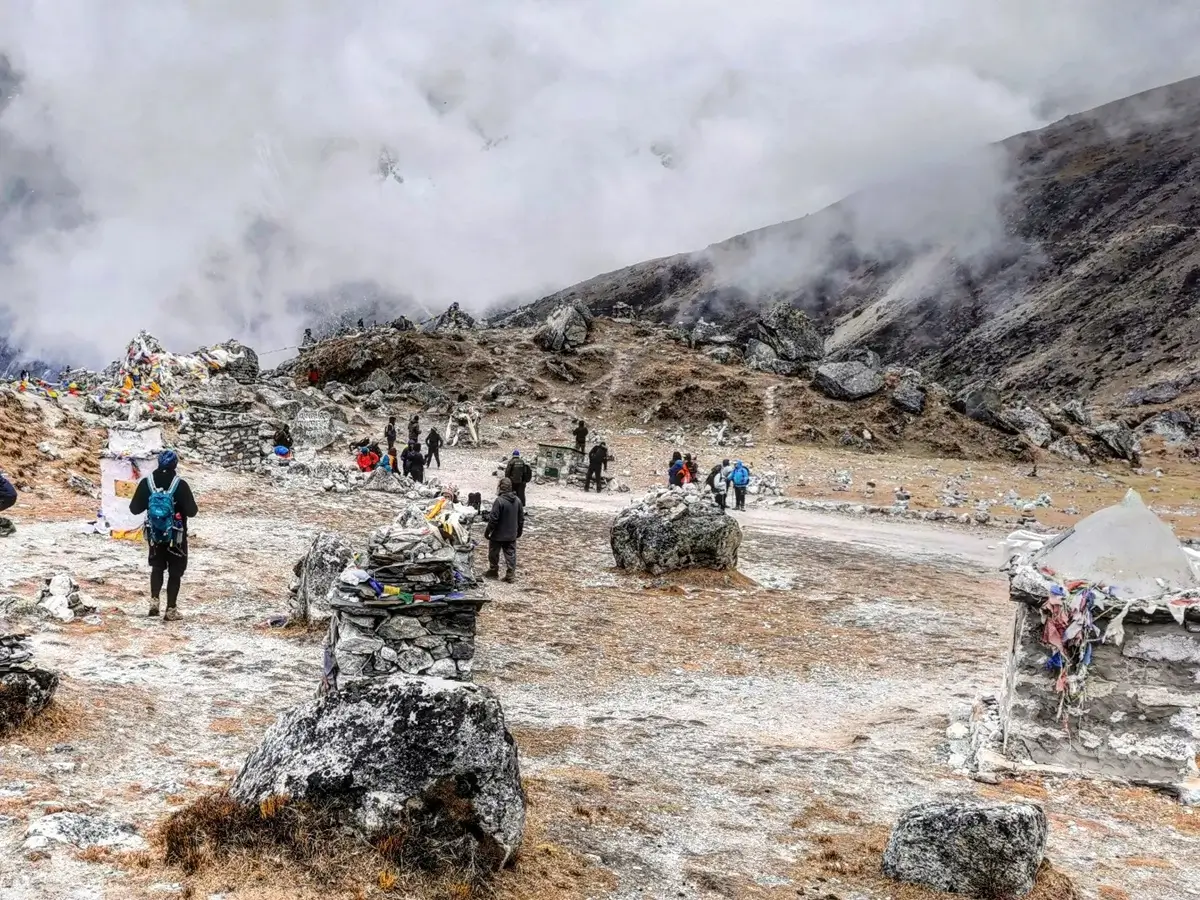
Once you clear the steepest part, you reach the ridge where the Everest Climbers Memorial is located.
You will notice a certain shift here. The trail below is all effort and noise, breathing hard, watching your feet. Up here, people naturally slow down. Our guides have observed many trekkers just stand here for a moment and look.
The stone memorials honour climbers and Sherpa mountaineers who lost their lives on Everest and other mountains in the region. For most people, it's simply a quiet stretch of trail where the landscape stops feeling like just scenery.
Reaching this point also means that you have completed the hard part. From Thukla Memorial, the walk toward Lobuche eases off considerably. Just don't mistake that for a green light to speed up. You're still high, and the air hasn't gotten any thicker just because the trail flattened out.
Can a Beginner Complete the Thukla Climb?
Yes. A reasonably fit beginner can complete the Thukla Climb with proper acclimatization and a sensible pace. You don't need mountaineering experience. You don't need to know any technical climbing skills. Frankly, none of that comes into play here.
What actually matters is how you've prepared for walking at altitude. The main factors are proper acclimatization, a pace you can sustain, decent overall health, trail and weather conditions.
For any trekker, listening to your guide matters the most. Marvel Adventure guides have watched many trekkers move through this exact stretch, and they often notice a change in your pace or breathing before you notice it yourself.
A beginner who moves slowly, stops when they need to, and speaks up honestly will usually handle this climb better than a fit trekker who tries to push through it without pausing.
Final Thoughts: Hard, But More Manageable Than It Looks
So why is the Thukla climb so exhausting on the EBC trek?
Because everything lands on you at once, in one short stretch. You're already past 4,600 meters. The steep part hits after you've already been walking for hours. Your legs are running on whatever's left after days on the trail. The ground won't sit still under your boots, and if the wind picks up, that's one more thing working against you.
However, none of that makes it a technical climb. Nothing here should scare off someone who's actually prepared. Walk slower. Use the stop at Thukla properly. And above everything else, give your body the time it needs to adjust before you're standing at the bottom of this climb.
Get the acclimatization right, keep the pace sensible, and Thukla feels far less intimidating and just becomes another part of the walk to Base Camp.
Explore our Everest Base Camp Trek itinerary or contact Marvel Adventure for a private itinerary designed around safe acclimatization.
Frequently Asked Questions
How high is the Thukla climb?
Thukla altitude is approximately 4,620 meters. The trail then climbs roughly 200 vertical metres to the Everest Memorial Ridge at around 4,830 metres.
How long does it take to climb from Thukla to the memorials?
Most trekkers are up in 45 to 60 minutes, depending on pace, weather, and how well they've acclimatized.
Is Thukla Pass dangerous?
No, Thukla Pass is not technically dangerous. It's steep and tiring, but it's a straightforward trekking trail with nothing that requires special equipment.
Do I need climbing experience for the Thukla climb?
Not at all. There's no rope work or technical skill involved. It's just walking uphill, and pacing matters far more than any climbing background.
Can you stay overnight in Thukla?
Yes, there are teahouses with rooms, though most itineraries treat it as a lunch stop rather than an overnight one.
What comes after the Thukla climb?
You reach the Everest Climbers Memorial Ridge, then the trail continues more gradually over rocky terrain toward Lobuche.